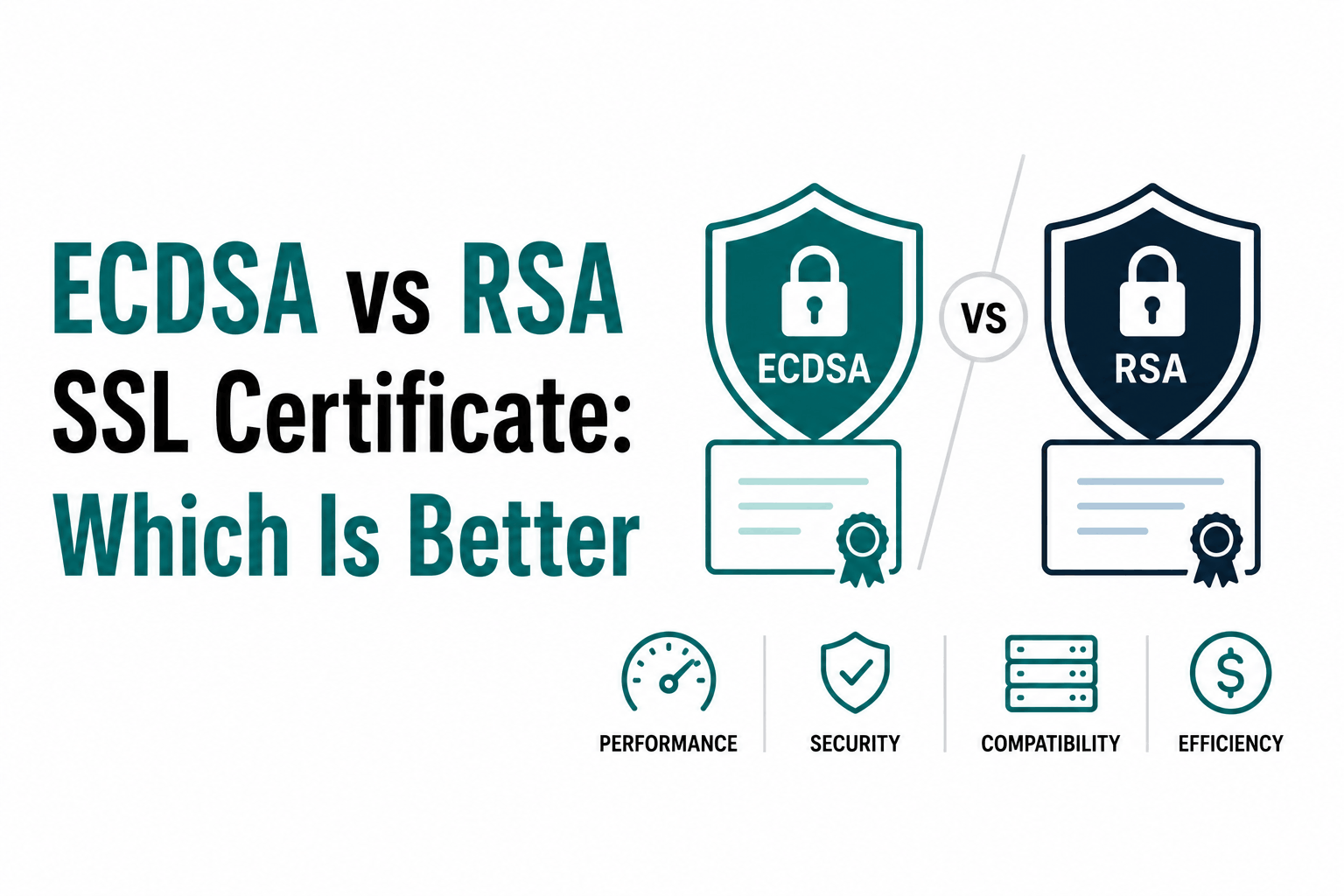
Buy ECDSA P-256 for any new certificate purchase on a public-facing server in 2026. The performance advantage is real and measurable. The compatibility exceptions are negligible for public web traffic. The market has already decided: ECDSA reached 42.9% of all[…]

In September 2023, Google removed the padlock icon from Chrome’s address bar. The icon had appeared in hundreds of billions of browser sessions, in every country, on every device, for more than a decade. It had been endorsed by the[…]
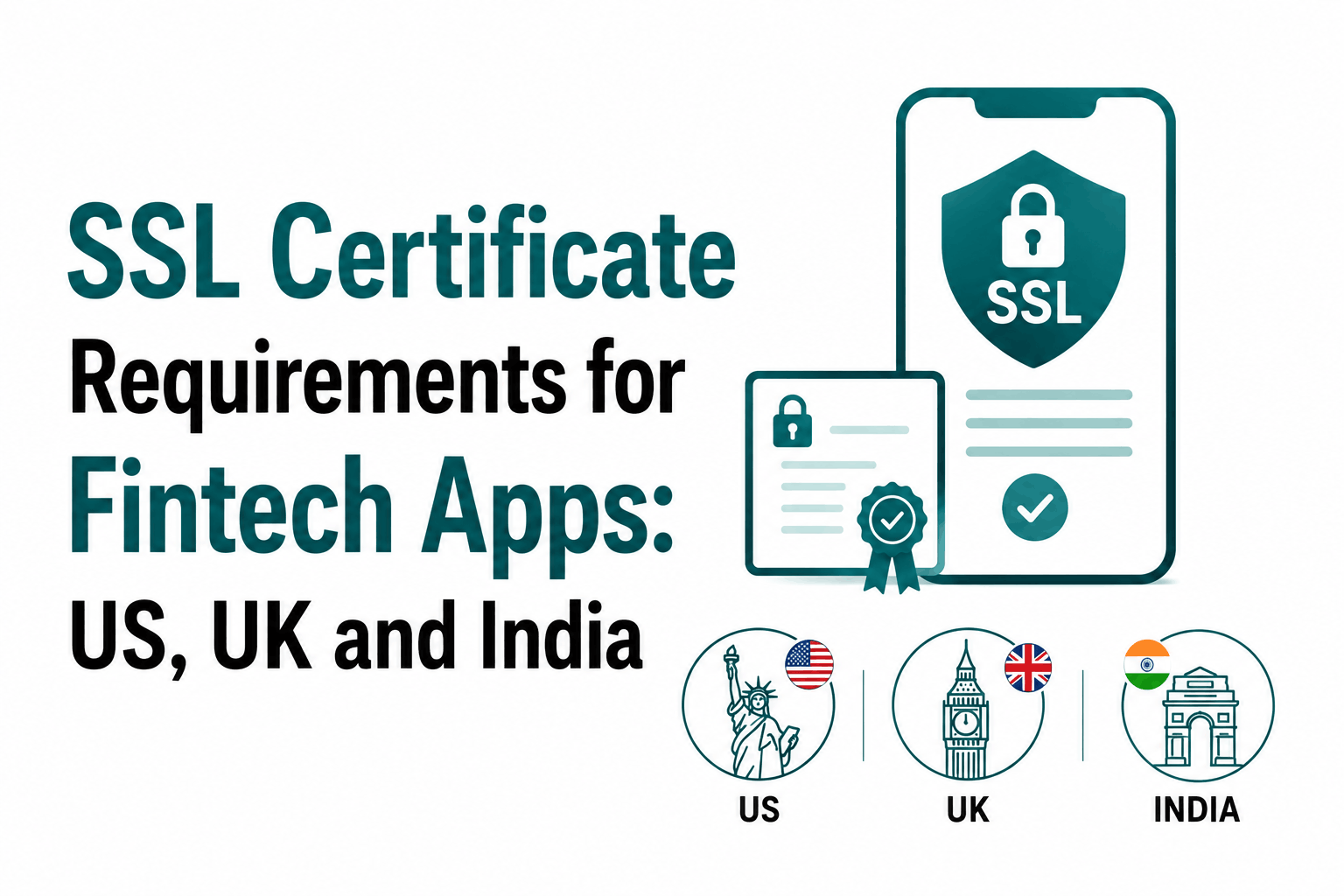
Compliance note: this article summarizes publicly available regulatory frameworks for SSL/TLS encryption in fintech. Regulatory requirements change, and jurisdiction-specific legal advice is essential for any regulated financial product. Treat this as a starting framework, verified at the primary sources listed,[…]
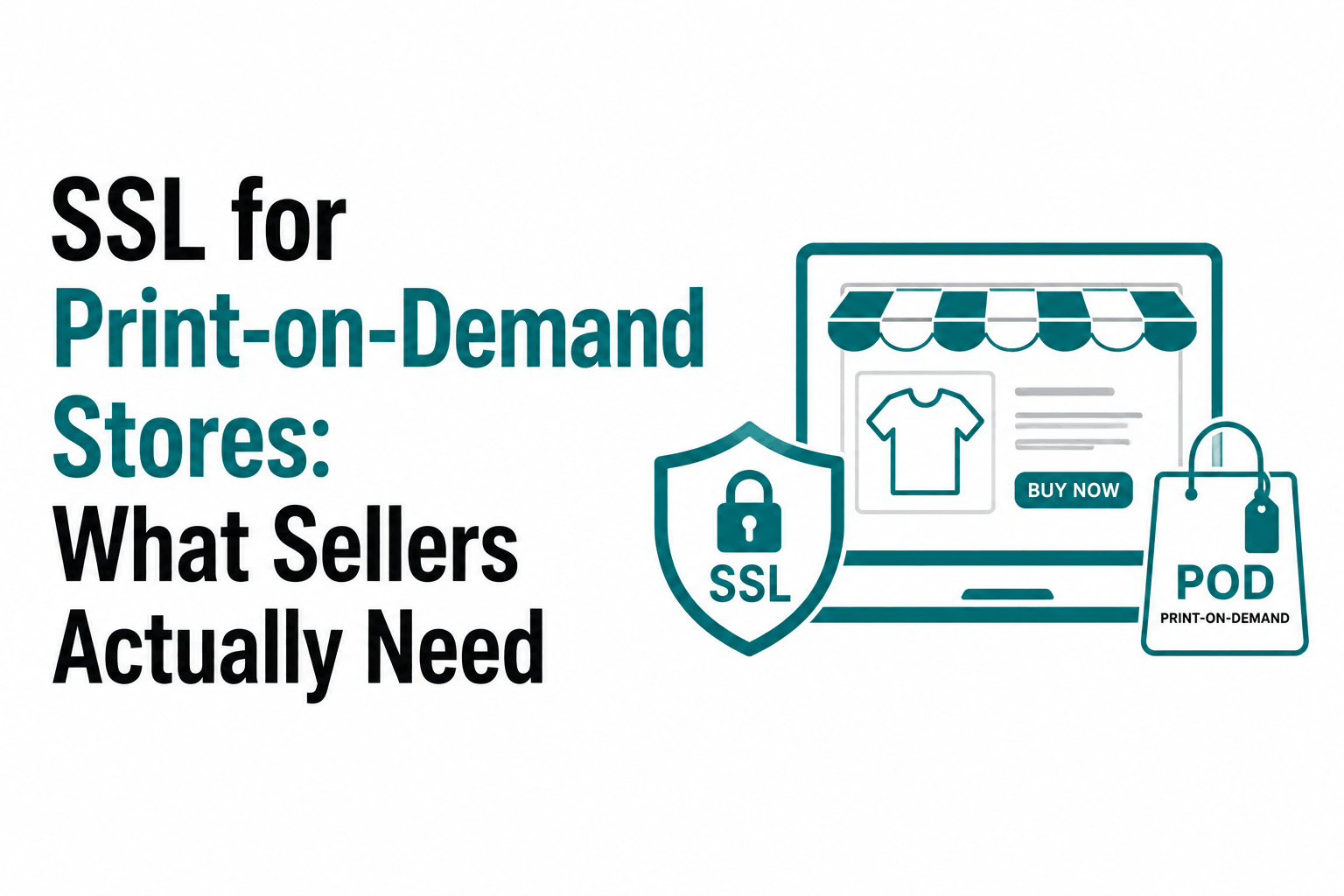
The SSL requirement for a print-on-demand store depends entirely on where the storefront is hosted, not on which fulfillment service you use. Printful and Printify are fulfillment partners , they handle production and shipping. They are not hosting providers. The[…]
This database collects every publicly documented SSL and TLS certificate expiry or misuse incident involving a named organization, a confirmed certificate root cause, and documented scope of impact. Entries are sourced from official post-mortems, confirmed company statements, and named media[…]
What this article covers and what it does not: This article documents the operational SSL behavior of major hosting platforms based on publicly available sources: official documentation, support forum threads, Let’s Encrypt community reports, and host-published knowledge bases. It is[…]
MSIX package signing has two separate problems that developers often conflate. The first is making the package installable at all: the certificate must be trusted on the installation machine and the publisher name in the manifest must match the certificate’s[…]
Verified directly from Google’s Chrome Security Team blog post: with the release of Chrome 154 in October 2026, Chrome will change its default settings to enable ‘Always Use Secure Connections.’ This means Chrome will ask for the user’s permission before[…]
SSL certificate warranties are advertised prominently. DigiCert advertises a $2 million warranty on its EV certificates. Sectigo offers warranties up to $1.75 million. These numbers appear in comparison tables and product pages, often in their own column, formatted to look[…]
If you found a Google Trust Services certificate on your domain and you did not configure it, you are almost certainly on Cloudflare, Firebase Hosting, or Google Cloud. GTS certificates appear automatically on these platforms. You did not switch from[…]
Evidence note: this article documents the ‘reasonable security controls’ clause, verified examples of its operation in claim denials, and the legal argument connecting certificate management failures to that clause. A specific publicly reported case of a claim denied specifically over[…]
If your certificate is installed and the padlock appears in your browser but Google Search Console still shows HTTPS errors, the certificate is almost certainly not the problem. GSC HTTPS errors after a successful SSL installation are caused by configuration[…]
SSL Certificate for a CA or CPA Firm Website: What Client Data Protection Standards Actually Require
Professional standards note: this article cites AICPA and ICAI professional conduct standards and US regulatory frameworks applicable to CPA practices. Standards and interpretations are subject to revision. Verify current requirements with your state CPA society (US) or ICAI regional chapter[…]
If you received an email from your CA or reseller asking you to reverify your organization’s information for your SSL certificate, this is expected, legitimate, and not a sign of any problem with your certificate. A CA/B Forum rule change[…]
Electron is one of the most widely used frameworks for building cross-platform desktop applications, with VS Code, Slack, Discord, Figma, and 1Password all built on it. When you ship an Electron app, you are shipping for Windows and macOS simultaneously,[…]
The short answer: your iOS or Android app does not need an SSL certificate of its own. Apps are not servers. SSL certificates authenticate servers, not clients. What your app needs is for its backend API and any other servers[…]
CA/B Forum Ballot SC-081v3, effective March 15, 2026, reduced the reuse period for Subject Identity Information (SII) from 825 days to 398 days. For EV certificate holders, this means the full Extended Validation process must now repeat approximately every 13[…]
A note on what this article does and does not claim: SSL bundling details below are drawn from multiple independent hosting comparison sources and cross-checked for consistency. The security incident history section includes only breaches that are publicly documented through[…]
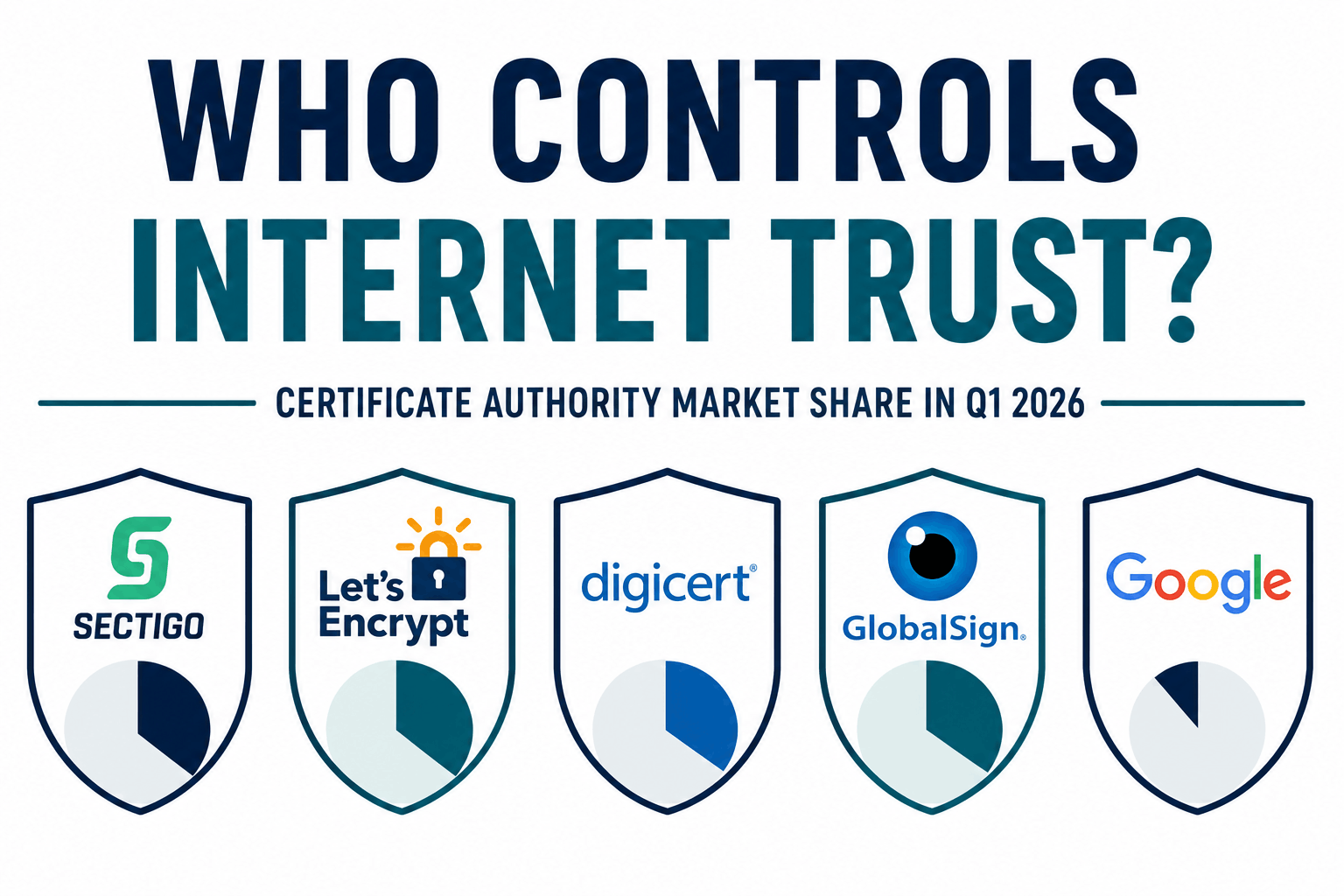
This page tracks Certificate Authority issuance market share using the most rigorous, most frequently updated public dataset available: Certificate Transparency log analysis. It is intended to be revisited and updated each quarter as new data becomes available, rather than read[…]
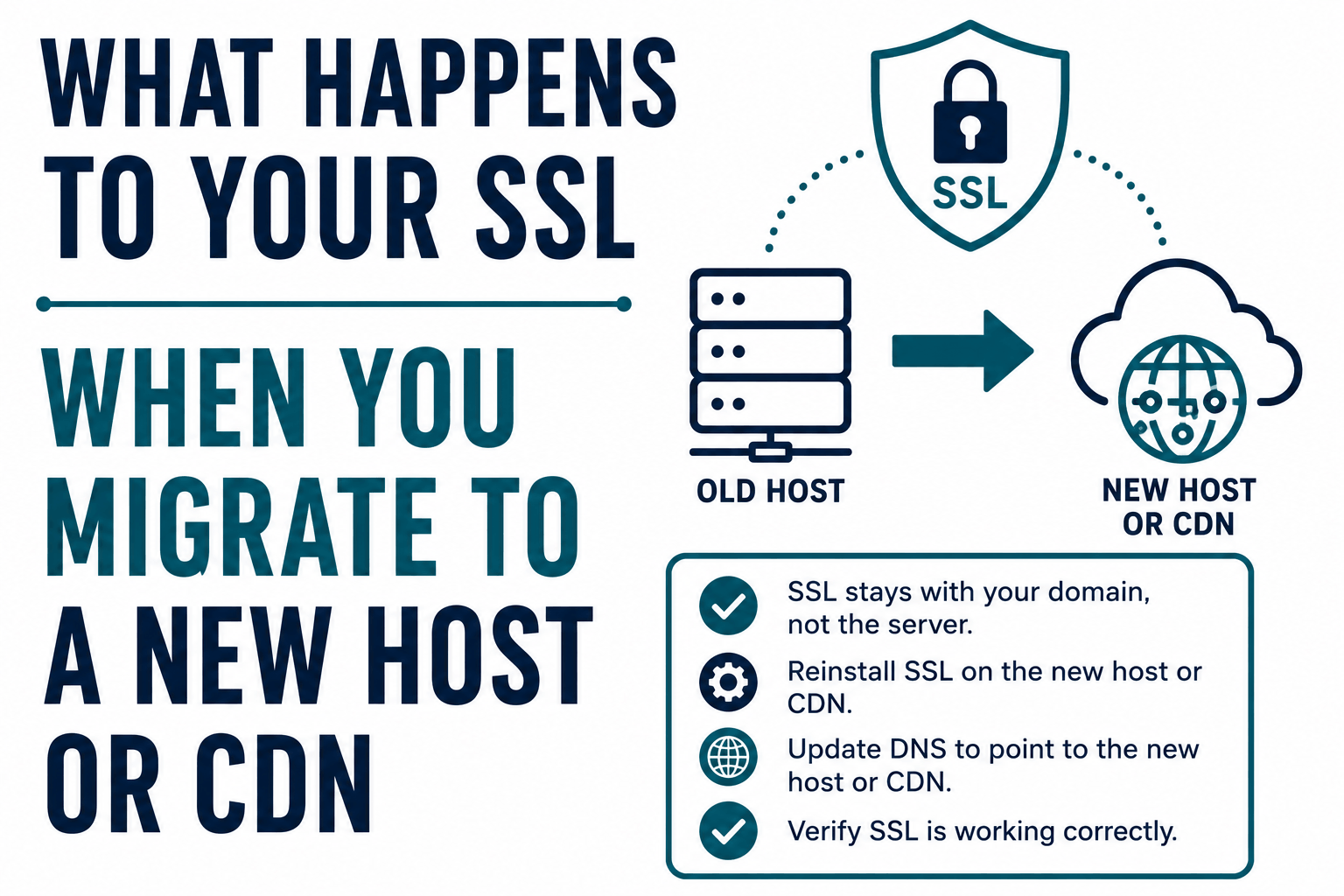
SSL certificates are tied to specific infrastructure in ways that most migration guides do not explain. Moving a website to a new host, adding a CDN, or switching from one cloud provider to another affects your SSL in different ways[…]
The confusion at checkout in 2026 is understandable. The price column shows 1-year, 2-year, 3-year options with discount percentages. But a separate notice somewhere on the page says certificates are only valid for 199 days. If the certificate expires every[…]
Every website in this list had a valid SSL certificate when it was breached. SSL encrypted the connections between users’ browsers and the servers. The padlock appeared in every visitor’s address bar. And none of that had any relevance[…]
Today is June 19, 2026. If your SSL certificate was issued or renewed any time in March 2026, its 199-day validity expires in the first two weeks of October 2026. That is approximately 14 weeks from today. Sectigo’s Chief Compliance[…]
Hard deadlines: Sectigo February 10, 2027. DigiCert March 1, 2027. Chrome Root Program March 15, 2027. After these dates, no public CA may issue SSL/TLS certificates containing the Client Authentication Extended Key Usage (EKU). Organizations using public SSL certificates for[…]
Netcraft’s 2025 data across hundreds of millions of active SSL certificates shows 94.3% are Domain Validation. OV accounts for 5.5%. EV, once the gold standard for high-trust sites, has fallen to 0.1% of issuance and is declining at roughly 20%[…]
The headline numbers are real and sourced. The conclusion most coverage draws from them is wrong. North Korea’s near-absence from global SSL certificate counts is overwhelmingly a function of US export sanctions law, not a story about technology adoption, encryption[…]
The direct answer: no, a rigorously sourced, methodologically transparent statistic isolating the percentage of data breaches specifically caused by certificate or encryption failures, paired with a dedicated average cost figure, does not currently exist in any major breach research body’s[…]
ACME automation for OV certificates has been available in Sectigo’s enterprise platform for several years. What changed in 2025-2026 is reseller availability at prices accessible to small and medium-sized businesses. SSL2BUY now offers Sectigo ACME OV at $90/year for a[…]
Research methodology: this comparison is based on publicly available information: each reseller’s current pricing pages (verified June 2026), their support documentation and knowledge base quality, Trustpilot reviews where available, and user-reported experiences from Let’s Encrypt community forums, Reddit r/sysadmin, and[…]
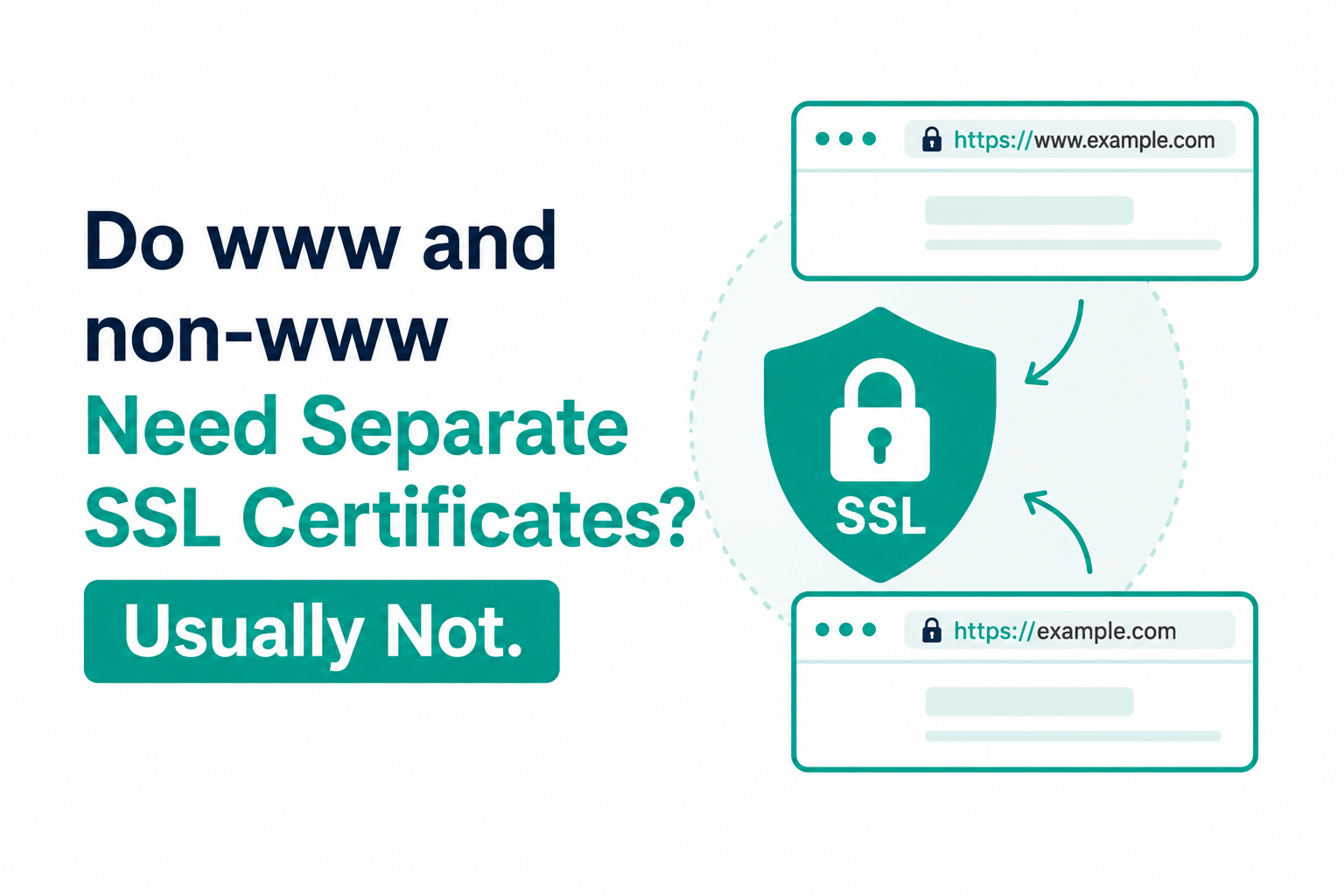
No. You need one certificate. A standard single-domain SSL certificate ordered for example.com automatically includes both example.com and www.example.com as covered domains. You do not pay extra for the www variant. You do not configure anything special to get it.[…]
The padlock icon in your browser address bar has protected internet users for decades. It signals that the connection between a visitor’s browser and your server is encrypted using SSL/TLS, and that the certificate was issued by a trusted[…]
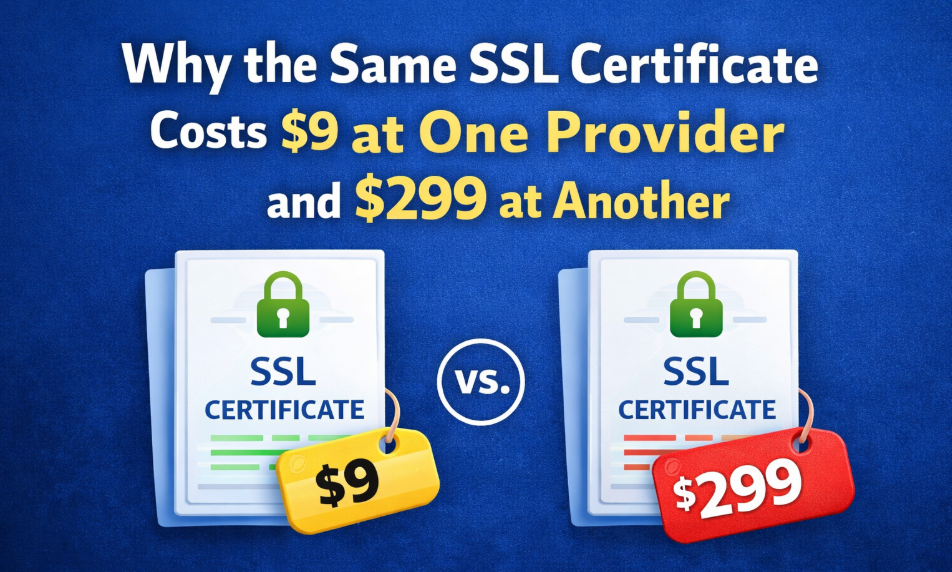
A deep investigation into certificate authority economics, brand premiums, and the invisible forces that shape what you pay to put a padlock on your site. You have spent the better part of an afternoon shopping for an SSL certificate. You[…]

Encryption is no longer optional for public facing websites. HTTPS has become the baseline standard across industries. However, not all encrypted connections offer the same level of protection. One of the most important security properties in modern TLS deployments is[…]
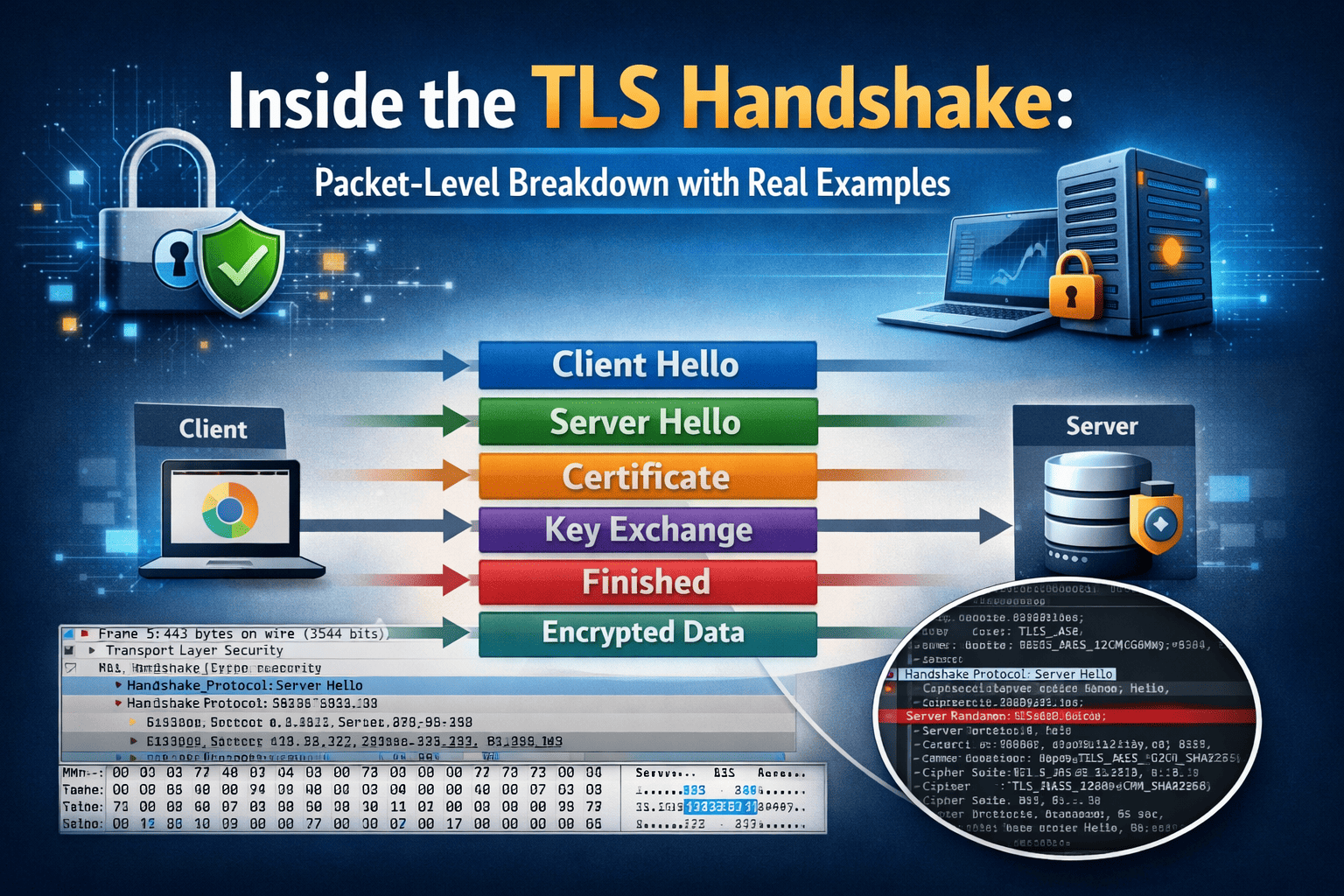
Every time a browser connects to an HTTPS website, a silent cryptographic negotiation happens in milliseconds. This process is called the TLS handshake. Most explanations stop at a high level overview, but to truly understand performance, security, and common SSL[…]
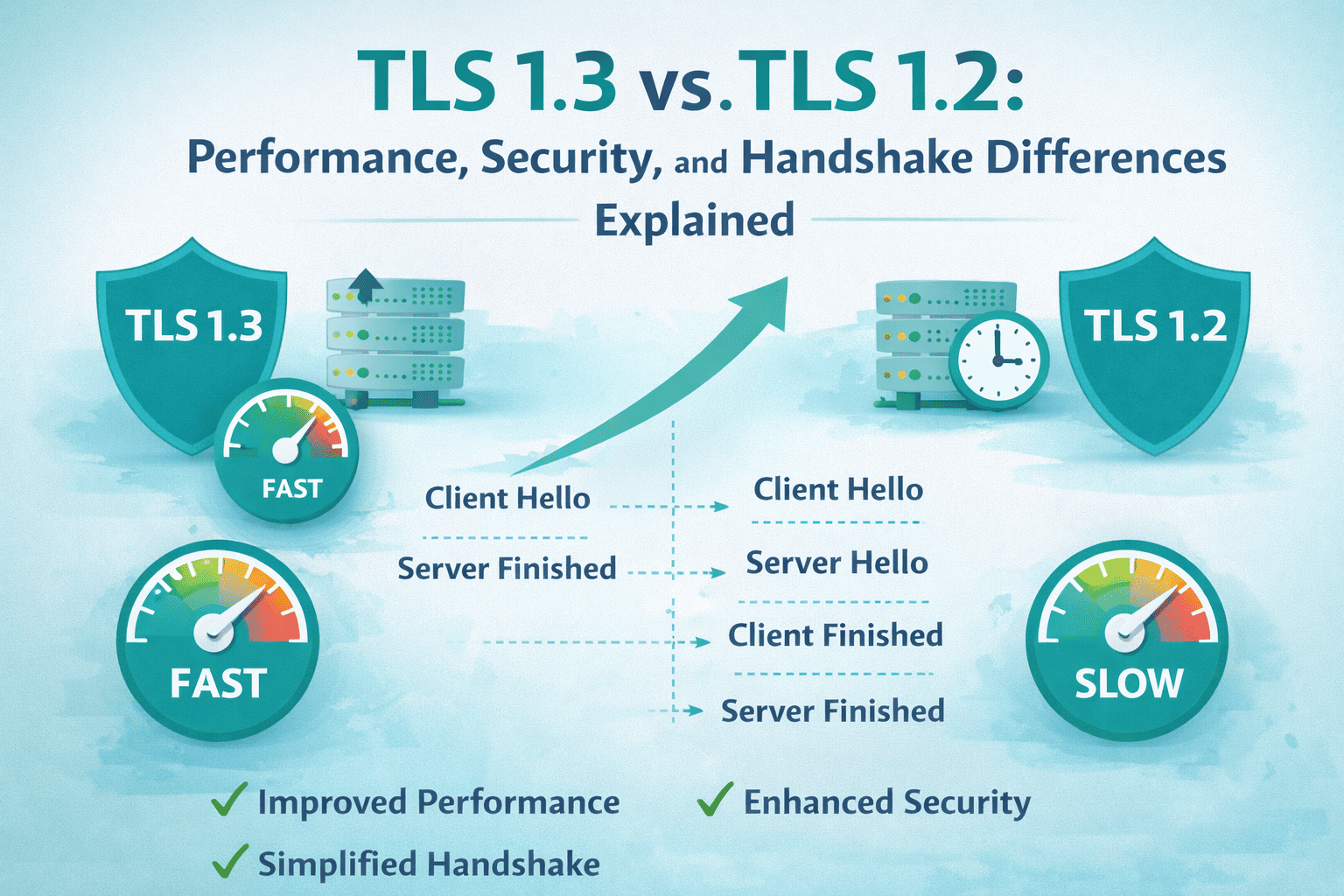
Transport Layer Security, commonly known as TLS, is the cryptographic foundation of the modern internet. Every secure website that begins with HTTPS relies on TLS to encrypt communication between a user’s browser and a web server. Whether someone is logging[…]
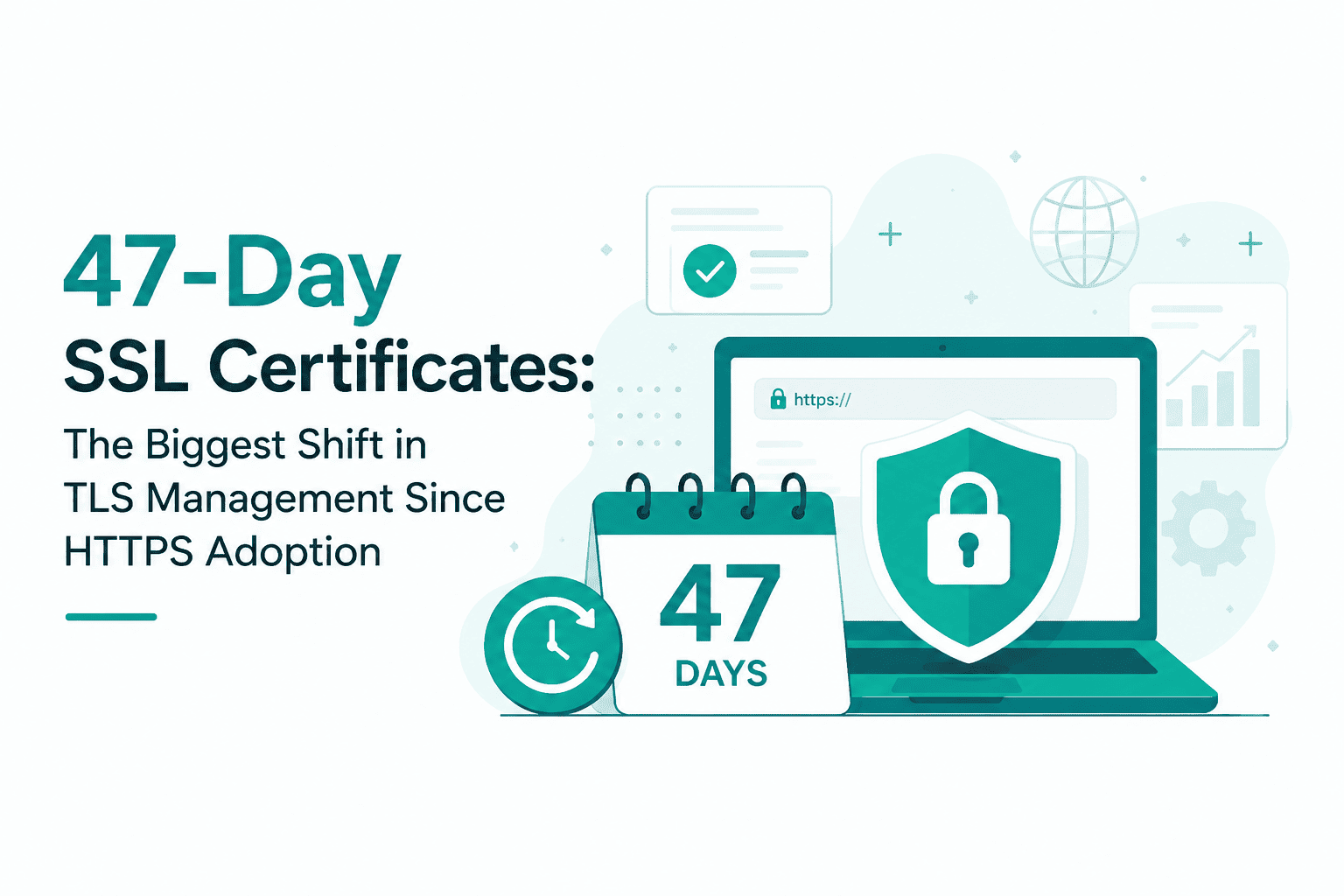
When HTTPS became the standard for the web, it fundamentally changed how websites handled trust, privacy, and security. Encryption went from “nice to have” to non-negotiable. For many organizations, that shift was painful—but finite. Once HTTPS was implemented, SSL certificates[…]
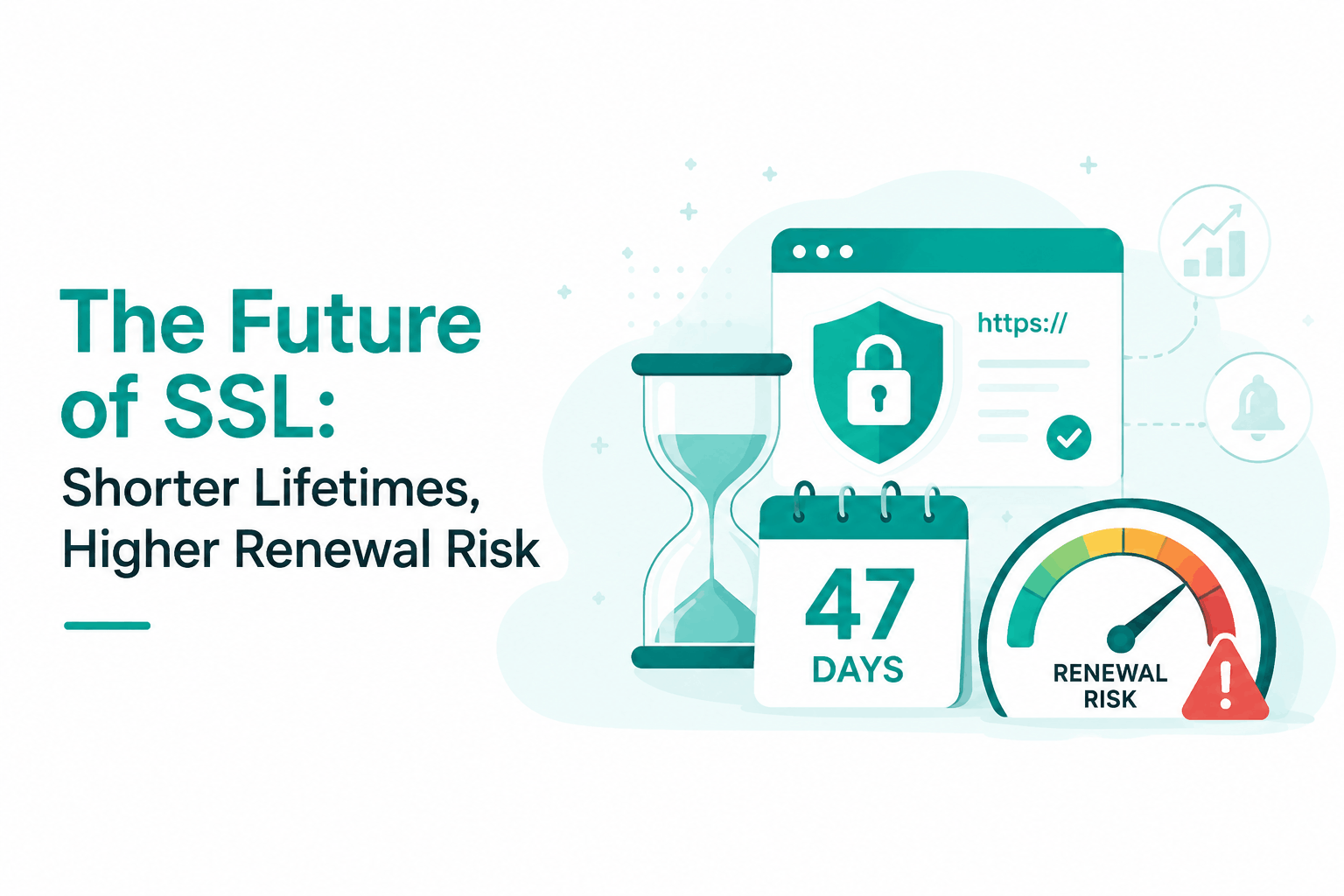
SSL/TLS certificates have quietly undergone one of the biggest operational changes in web security—and many website owners still haven’t fully adapted. What was once a “buy it, install it, forget it” task has become a recurring operational responsibility. SSL certificate[…]
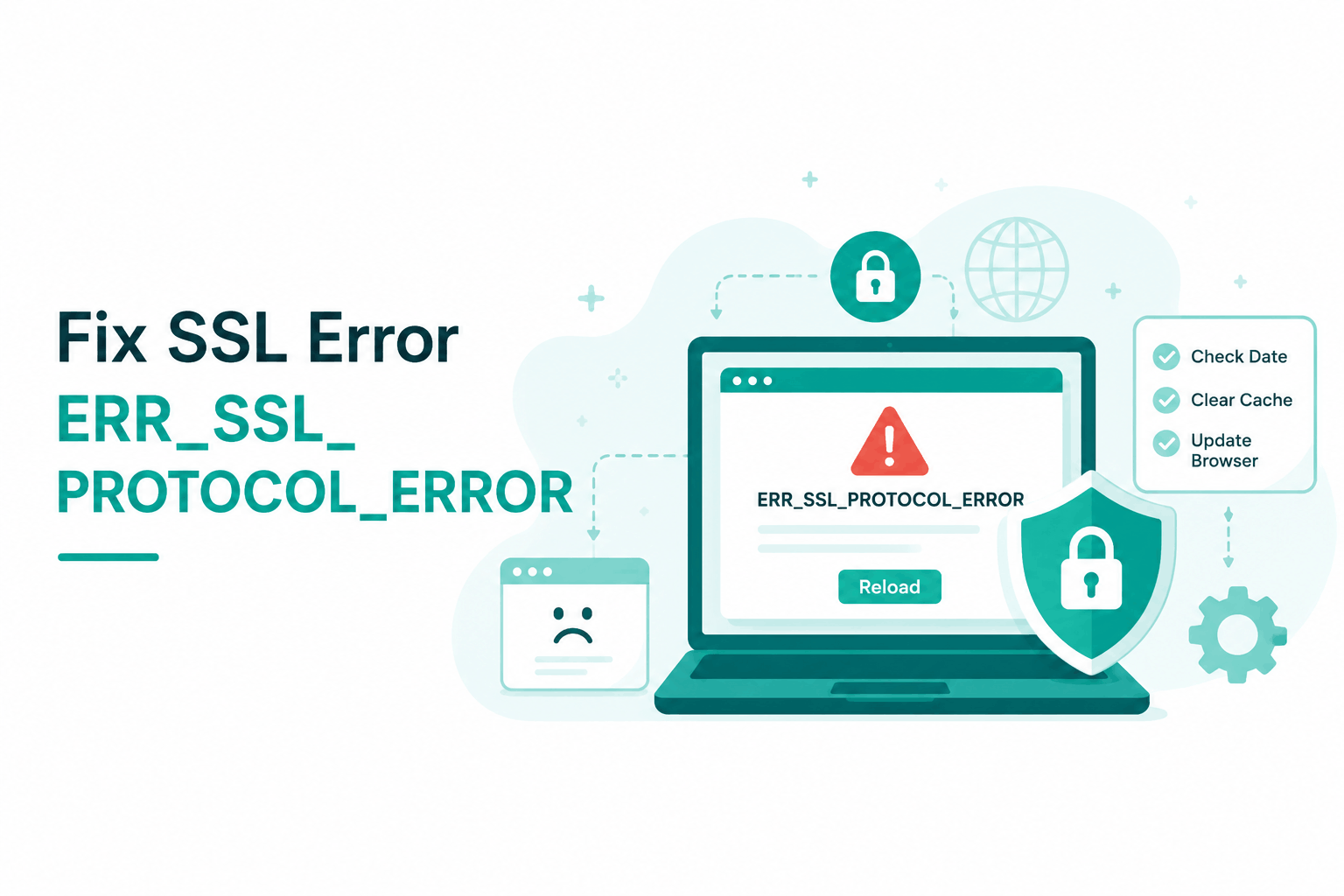
ERR_SSL_PROTOCOL_ERROR is a browser error that occurs when your browser fails to establish a secure HTTPS connection during the SSL/TLS handshake. Instead of loading the website, the browser blocks the request because it cannot verify that the connection is safe.[…]
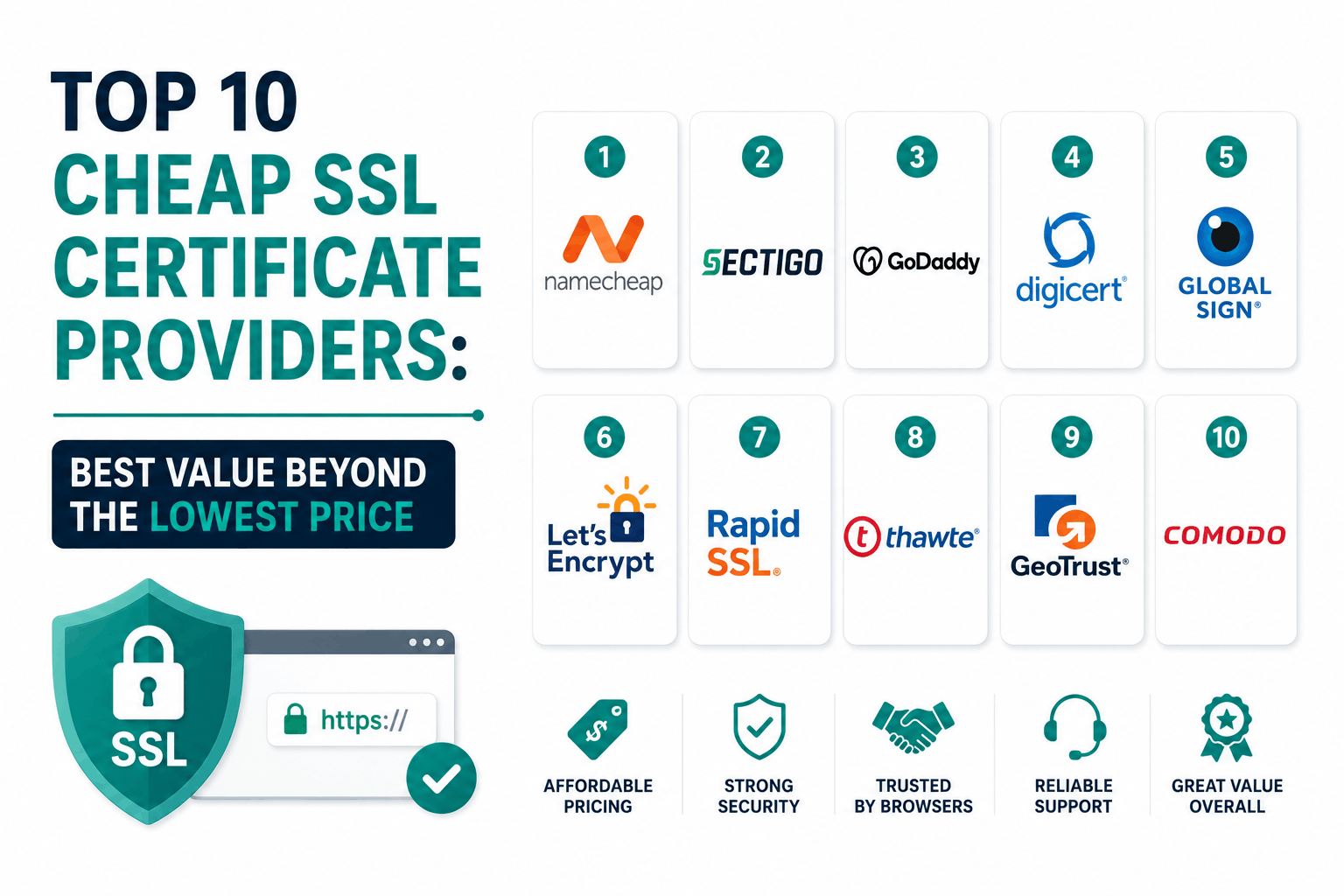
If you’re running a website in 2026, having an SSL certificate isn’t just a smart move — it’s a necessity. It’s what turns that little lock icon on in the browser and tells your visitors that your site is safe[…]
Transport Layer Security has always evolved in response to new threats, new expectations and new demands on encrypted communication. TLS 1.3 delivered one of the most significant advancements in internet security, reducing handshake steps, eliminating outdated cipher suites and dramatically[…]
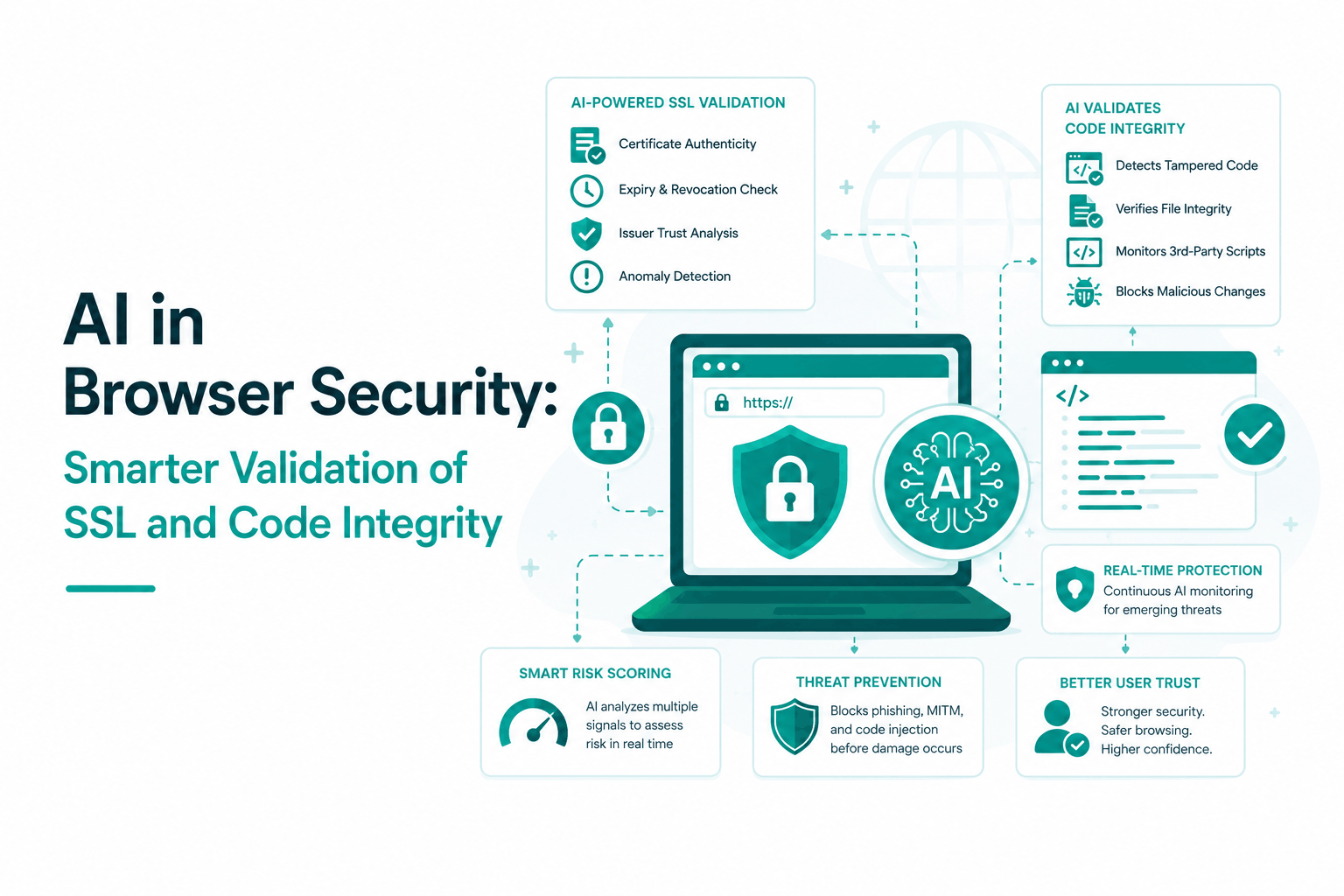
Every day, billions of users around the world open a browser and type a URL, trusting that what loads is genuine, safe, and encrypted.That moment — between typing and loading — is the invisible handshake that defines the trust of[…]
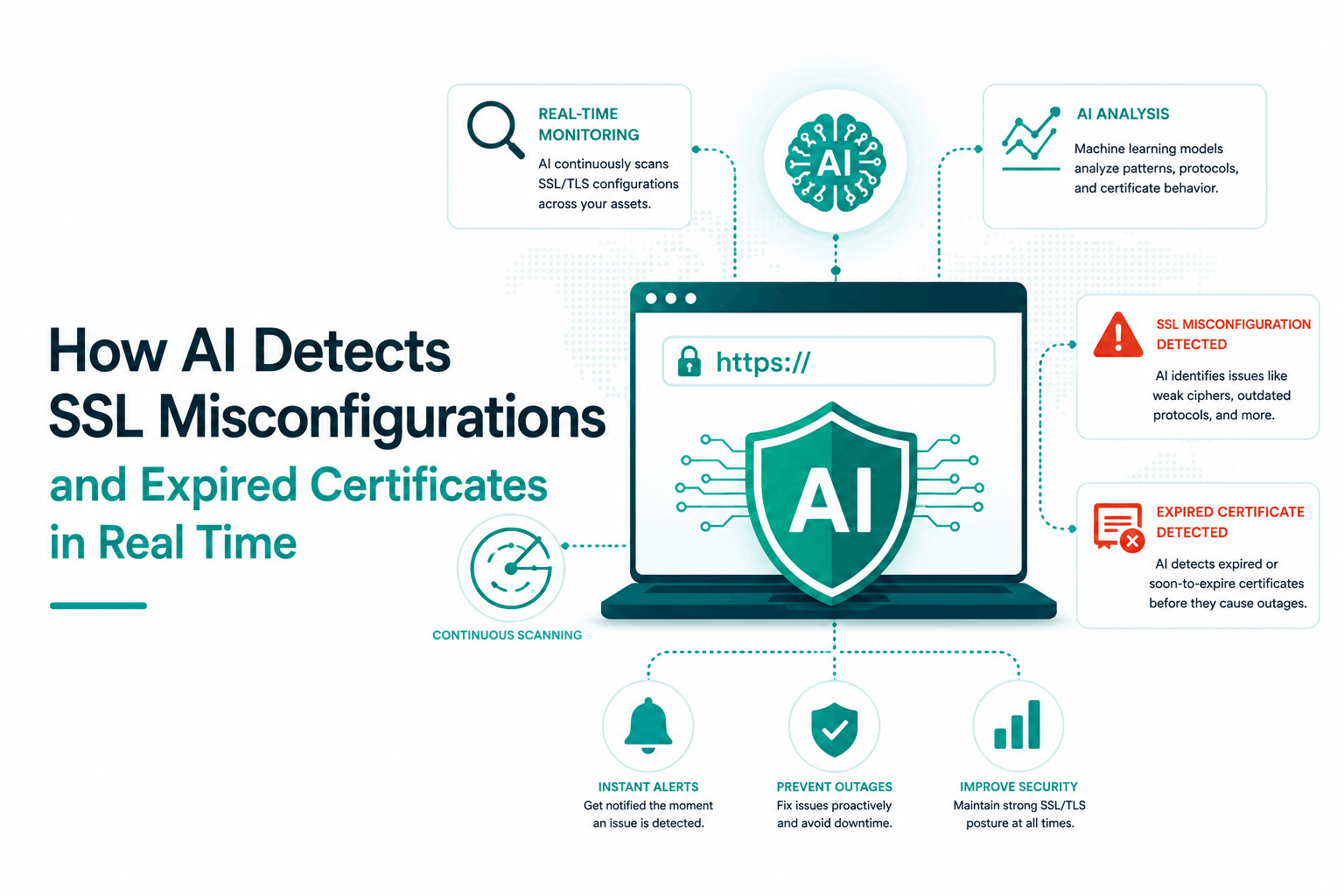
SSL/TLS certificates are the foundation of secure communication on the web. They encrypt data, verify identity, and maintain user trust.Yet, despite decades of advancement in certificate management, SSL misconfigurations and expired certificates remain some of the most common—and costly—failures in[…]
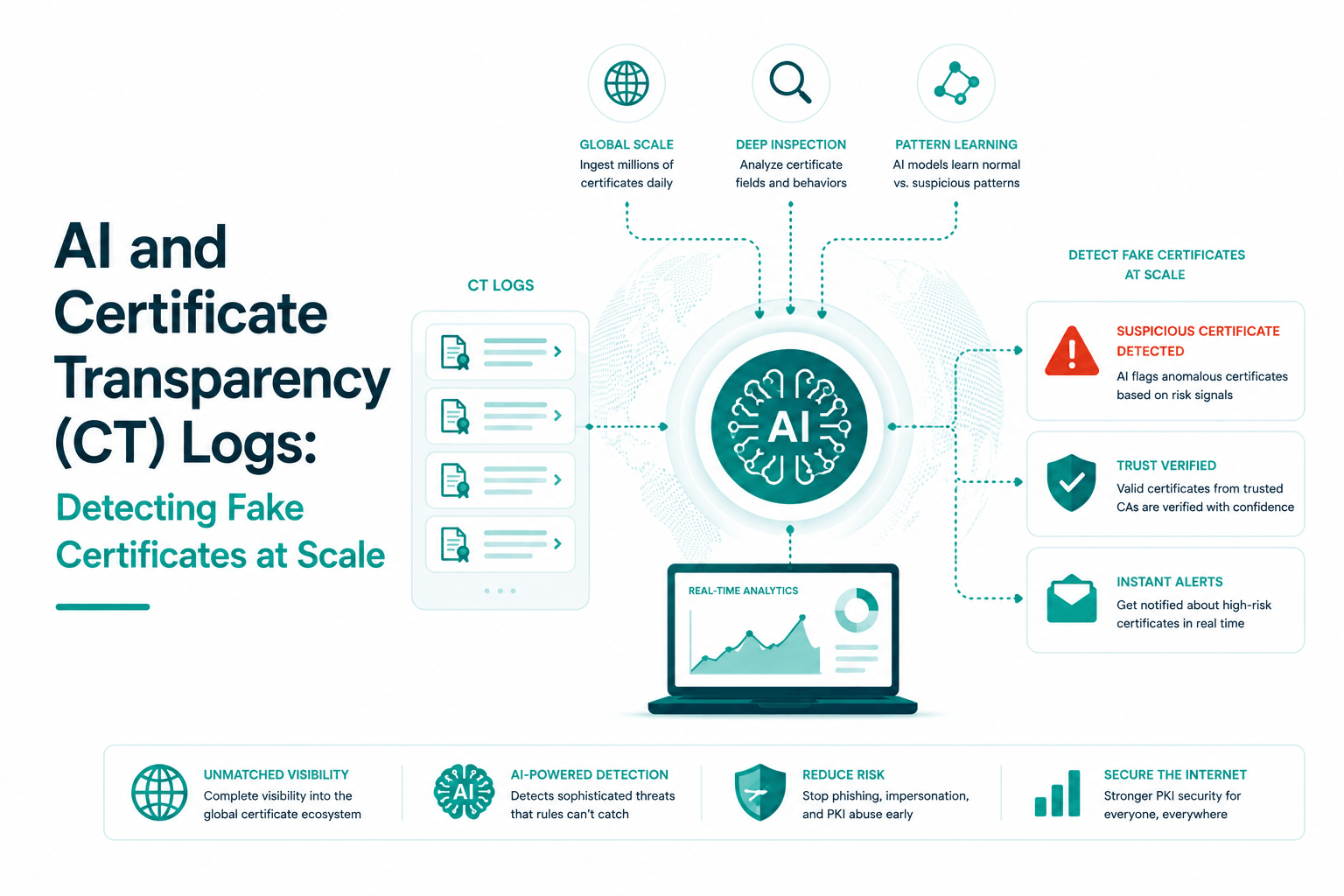
For years, the small padlock icon in a browser’s address bar symbolized trust.It told users a simple story: “This site is secure.” But in 2026, that promise has become more fragile than ever.The reality is that cybercriminals have found ways[…]
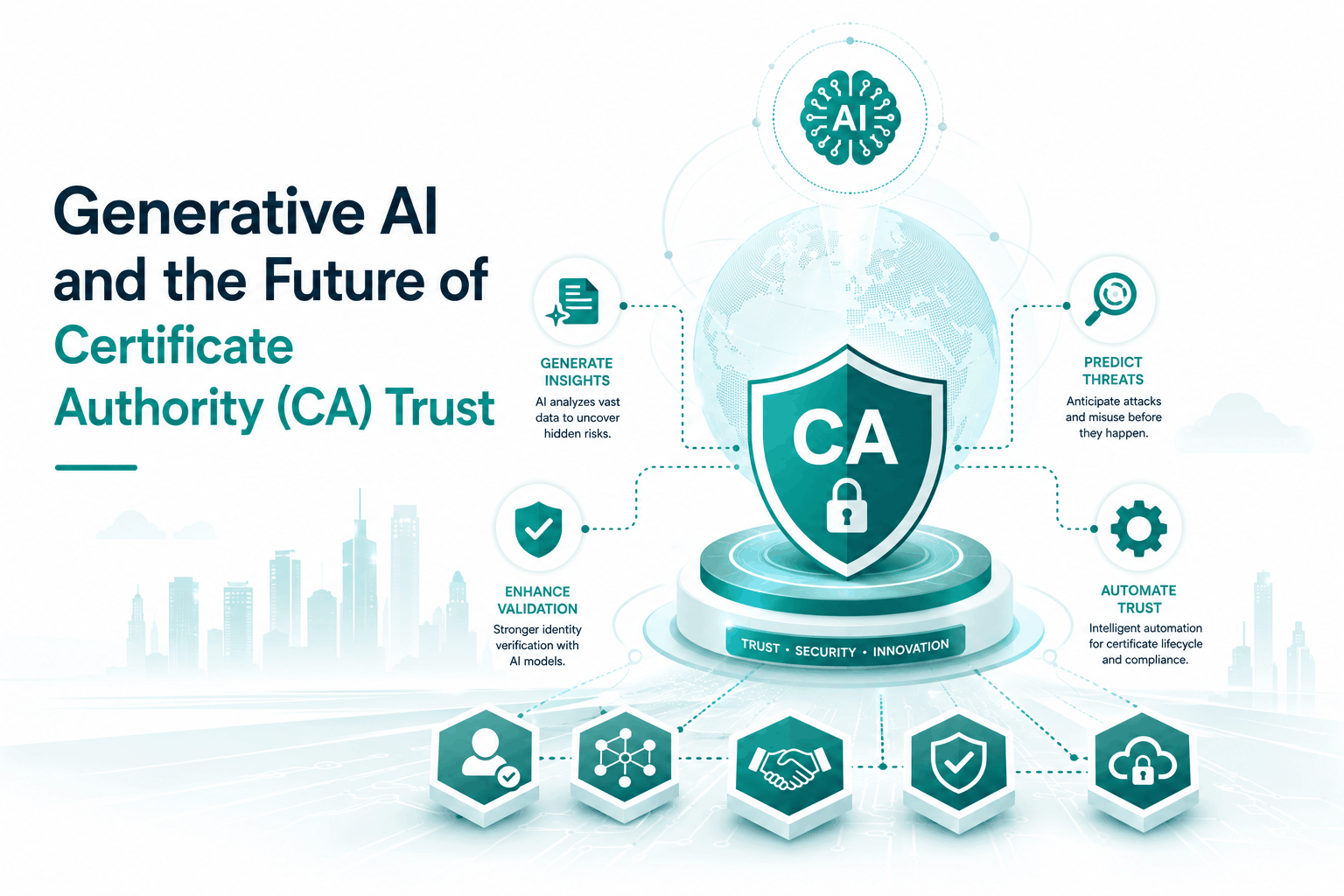
In the early days of the internet, trust was simple.You visited a website, looked for the little padlock in your browser, and knew your connection was secure. Behind that small icon stood an entire system of validation — the Certificate[…]
Every secure website, encrypted email, or online transaction begins with a single, invisible layer of trust — a digital certificate. These certificates form the foundation of modern internet security, enabling HTTPS connections, verifying identities, and protecting data in transit. But[…]
Every time a smartwatch sends your heart rate to an app, or a factory robot communicates with a control system, a small piece of encrypted data travels across the internet. Multiply that by billions of devices — cars, thermostats, security[…]
The web is entering a new age of digital trust — one where AI algorithms manage encryption keys as precisely as humans once did. By 2026, artificial intelligence isn’t just assisting SSL/TLS certificate management — it’s redefining it.From predictive certificate[…]
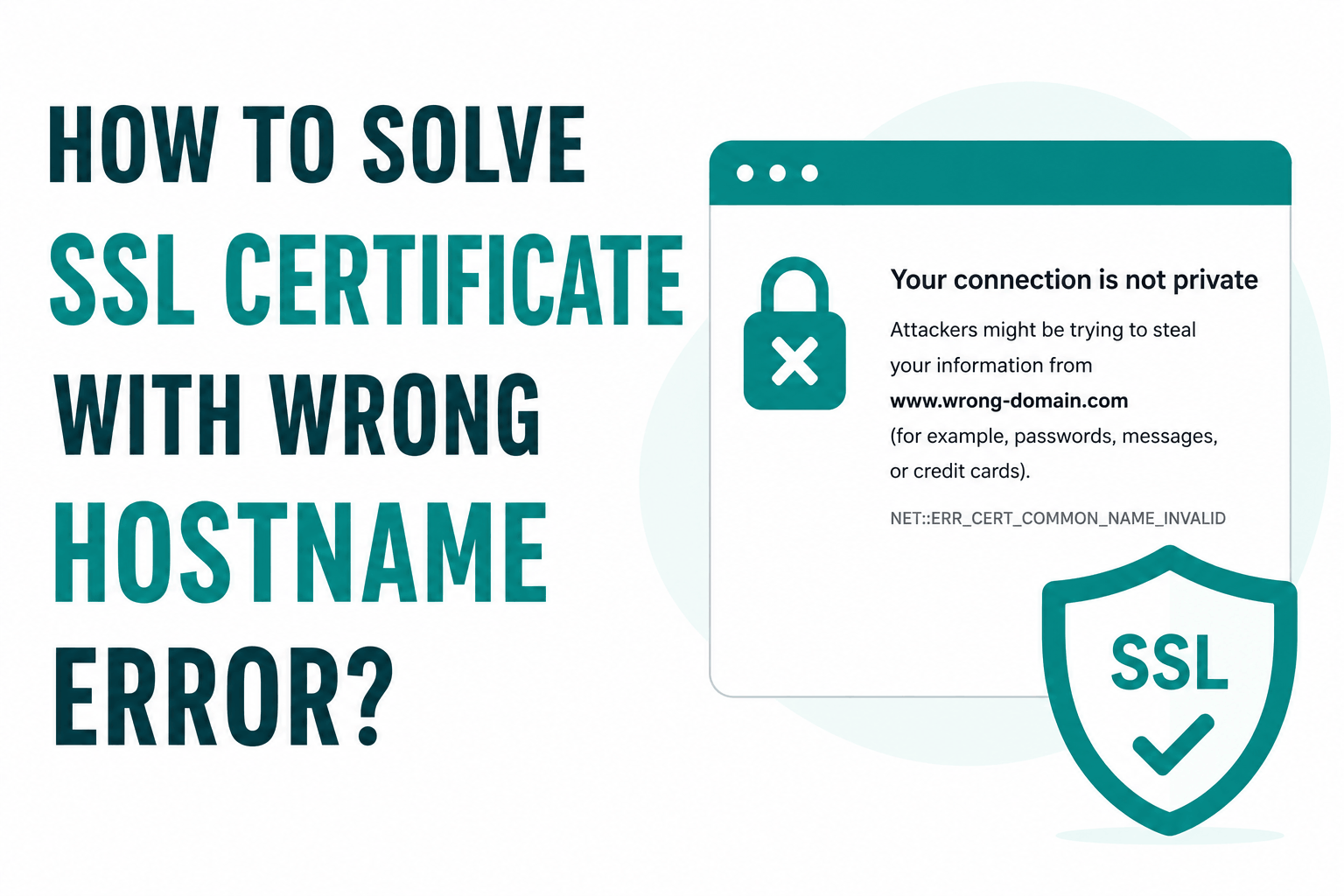
The “SSL Certificate with Wrong Hostname” error appears when the domain name in the SSL/TLS certificate does not match the website address the user is visiting. In simple terms, the browser expects the certificate to be issued for a specific[…]
When it comes to website security, Comodo—now rebranded as Sectigo—has long been a dominant player in the SSL/TLS certificate market. Known for offering a wide range of affordable and widely compatible digital certificates, Comodo has historically catered to millions of[…]
DigiCert is widely regarded as a global leader in the SSL/TLS certificate industry. Powering encryption for high-profile clients—including major banks, tech giants, and government agencies—DigiCert is known for its premium security solutions, enterprise-grade infrastructure, and compliance with the most stringent[…]
SSL/TLS has undergone more transformation in the last three years than in the previous decade. As the internet becomes more encrypted, attackers, certificate authorities (CAs), browsers, and enterprises all adapt their strategies. The result: a rapidly evolving SSL landscape that[…]
![GlobalSign SSL Promo Codes, Discounts, Coupon Code & Deals [Updated 2026]](https://comparecheapssl.com/wp-content/uploads/bfi_thumb/GlobalSign-SSL-Promo-Codes-Discounts-rhsqbp2nrzjzfdc7a5m4iag114p7kmgjfp59ckgqv4.png)
In 2026, the importance of securing your website with a reputable SSL certificate cannot be overstated. As both browsers and search engines become ever more vigilant in enforcing strict security standards, having an SSL certificate from an industry leader like[…]
![GeoTrust SSL Promo Codes, Discounts, Coupon Code & Deals [Updated 2026]](https://comparecheapssl.com/wp-content/uploads/bfi_thumb/GeoTrust-SSL-Promo-Codes-Discounts-rhsqbn6zebhes5exl4svdax3ucyh5892rfuae0jj7k.png)
In 2026, website security is more essential than ever before. Whether you’re running a personal blog, a business website, or a high-traffic eCommerce platform, SSL certificates are not just about trust—they’re about survival in a competitive digital landscape. GeoTrust SSL[…]
![Comodo SSL Promo Codes, Discounts & Deals [Updated 2026]](https://comparecheapssl.com/wp-content/uploads/bfi_thumb/Comodo-SSL-Promo-Codes-Discounts-rhsqbp2nrzjzfdc7a5m4iag114p7kmgjfp59ckgqv4.png)
Website security is more critical in 2026 than ever before. With Google and all major browsers flagging unsecured sites, an SSL certificate isn’t just a trust badge—it’s the gatekeeper of your SEO, user data, and online reputation. Comodo SSL (now[…]
![GoDaddy SSL Promo Codes, Discounts & Deals [Updated 2026]](https://comparecheapssl.com/wp-content/uploads/bfi_thumb/GoDaddy-SSL-Promo-Codes-Discounts-Deals-rhsqbhjy9b9ouhn4i2d3yccca1q9v1moqnxdicrw8w.png)
The digital world in 2026 demands robust website security—not just for compliance, but for building real trust with your audience. One of the fastest and most visible ways to show customers your site is safe is through an SSL certificate.[…]

Securing your website with an SSL certificate isn’t just a technical checkbox—it’s crucial for building user trust, protecting sensitive data, and maintaining your search engine rankings. If your site relies on GoDaddy for its SSL, renewing your certificate on time[…]
As concerns about website security continue to rise in 2026, choosing the right SSL certificate is crucial for every website, whether you’re running a personal blog or a global e-commerce brand. While GoDaddy once dominated this space with easy access[…]
Network Solutions has been a recognizable name in the SSL certificate market for years, offering a range of security products aimed at small to medium-sized businesses. However, with rapid changes in pricing structures, evolving technology standards, and growing demands for[…]

Securing your website with an SSL certificate is essential in today’s digital age, especially if you manage multiple subdomains. GoDaddy’s Wildcard SSL is a popular option for this purpose, offering encrypted protection for a primary domain and all its subdomains.[…]
Wildcard SSL certificates are essential for businesses that operate multiple subdomains. Whether you’re running an ecommerce store, SaaS application, or corporate website, securing all subdomains under one certificate streamlines security management. In 2026, two major providers dominate the wildcard SSL[…]
When it comes to securing your website, choosing the right SSL certificate is critical. Two of the most popular options offered by GoDaddy are Standard SSL and Wildcard SSL. While both provide encryption and trust, they serve different purposes. If[…]
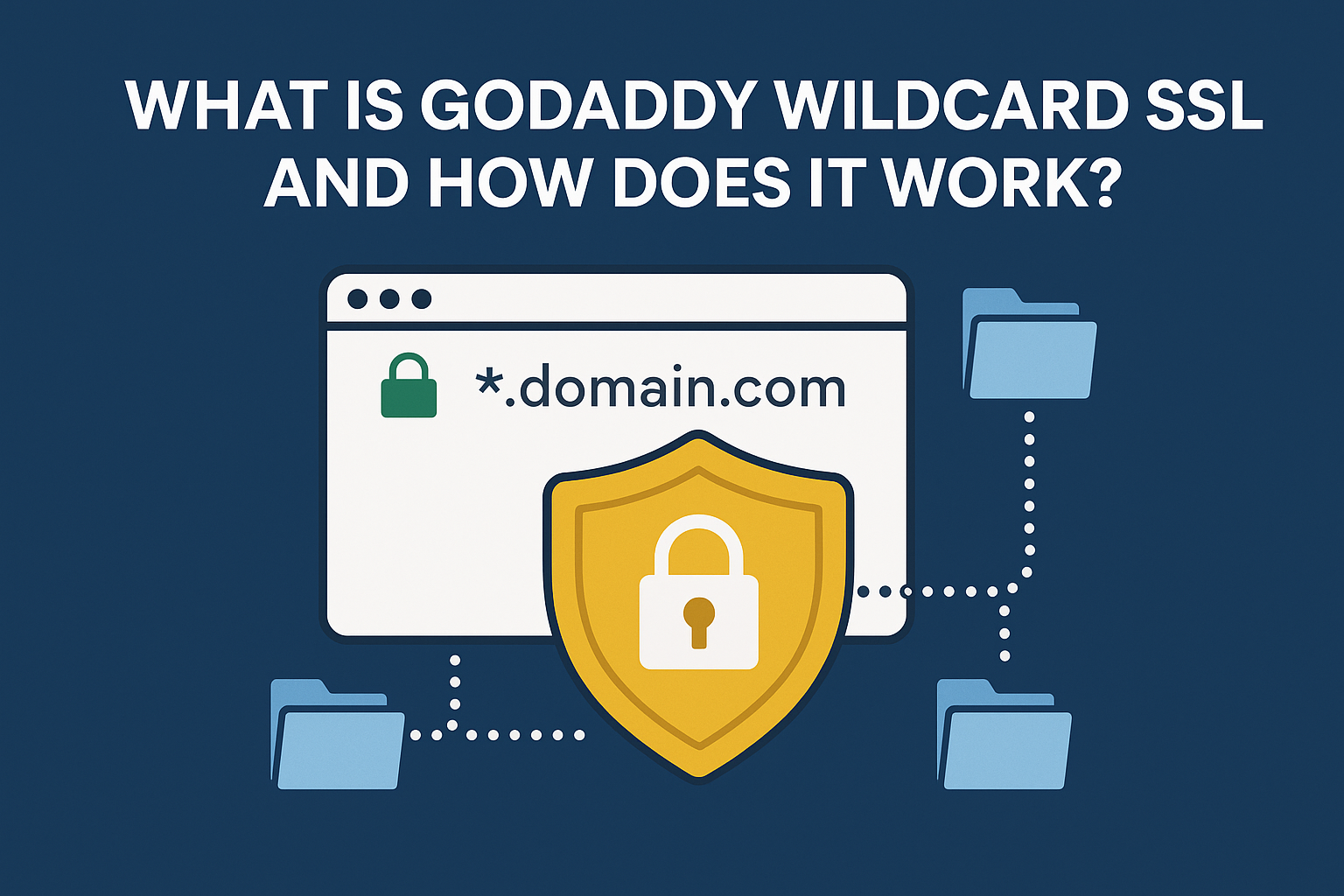
In today’s digital-first world, website security is non-negotiable. SSL certificates are the foundation of online trust, and for businesses that manage multiple subdomains, a Wildcard SSL Certificate becomes essential. If you’re using GoDaddy or considering it, you may have come[…]
An SSL certificate is no longer optional in 2026—it’s mandatory for security, SEO, and customer trust. If you’re running multiple subdomains like blog.example.com, shop.example.com, and mail.example.com, then GoDaddy Wildcard SSL is your best option. This guide walks you through the[…]
In today’s digital-first business environment, securing your website is essential—not just for compliance, but for trust, SEO, and overall brand credibility. If your business website uses multiple subdomains like shop.example.com, blog.example.com, or support.example.com, then a GoDaddy Wildcard SSL certificate offers[…]
If you’re running multiple subdomains under one main domain, GoDaddy Wildcard SSL sounds like an efficient solution. But with rising competition from cheaper providers and free alternatives, is it really worth the price in 2026? This in-depth review breaks down[…]
GoDaddy Wildcard SSL is one of the most recognized names in the SSL industry, but in 2026, businesses are actively looking for more affordable, flexible, or feature-rich alternatives. Whether you’re running a SaaS platform, ecommerce store, or multi-subdomain site, Wildcard[…]
From encrypted communications and digital signatures to IoT device authentication and secure email, Public Key Infrastructure (PKI) forms the backbone of trust in digital ecosystems. But as compliance mandates like GDPR, HIPAA, eIDAS, FIPS 140-2, and SOX become more stringent,[…]
Namecheap has long been a popular choice for SSL certificates, known for its user-friendly interface and affordable options. Its strong presence among small businesses and website owners makes it a go-to provider for many. However, in 2026, some organizations are[…]
Entrust is a trusted name in SSL security, especially favored by enterprises and government organizations for its strong compliance and validation processes. However, businesses of all sizes are increasingly seeking alternatives that offer faster issuance, more flexible certificate options, competitive[…]
As web security standards continue to evolve, choosing the right SSL/TLS certificate provider is more critical than ever. GlobalSign has long been a trusted name in the digital certificate industry, offering a wide range of SSL solutions for businesses of[…]
Securing your website is non-negotiable in 2026. Whether you’re collecting emails or processing payments, users expect their data to be safe. That’s where SSL certificates come in—and GoDaddy, one of the world’s most recognized web brands, offers some of the[…]
![GoDaddy Wildcard SSL Promo Codes, Discounts & Deals [Updated 2026]](https://comparecheapssl.com/wp-content/uploads/bfi_thumb/20250708_2315_SSL-Promo-Deals_simple_compose_01jznj6ehqe53sf59cemgc4f05-rhsqbm957hg4gjgaqme8st5n8z33xj5cfb6swqkxds.png)
Securing your main domain and multiple subdomains with a single SSL certificate has never been easier, thanks to GoDaddy’s Wildcard SSL. While the certificate provides excellent protection, the cost can be significant—especially for long-term plans. The good news? You can[…]
Symantec was once a dominant name in the SSL/TLS certificate industry. However, following the revocation of trust by major browsers like Google Chrome and Mozilla Firefox due to compliance issues, Symantec’s SSL business was acquired and rebranded under DigiCert. In[…]
GeoTrust, now operating under the DigiCert umbrella, has long been recognized as a reputable certificate authority (CA) offering a range of SSL/TLS products. Known for its legacy in web security, GeoTrust once served as a mid-market favorite for organizations seeking[…]
Thawte has long been recognized as a reliable SSL certificate provider, known for its global trust, strong browser compatibility, and balanced pricing. However, as the SSL market evolves rapidly, businesses are seeking alternatives that offer faster issuance, enhanced automation, broader[…]
One is a commonly used secure data transmission technique in the field of cryptography: the RSA algorithm. It is a type of public-key encryption, which means that it uses two different keys for the encryption and decryption process: a pair[…]
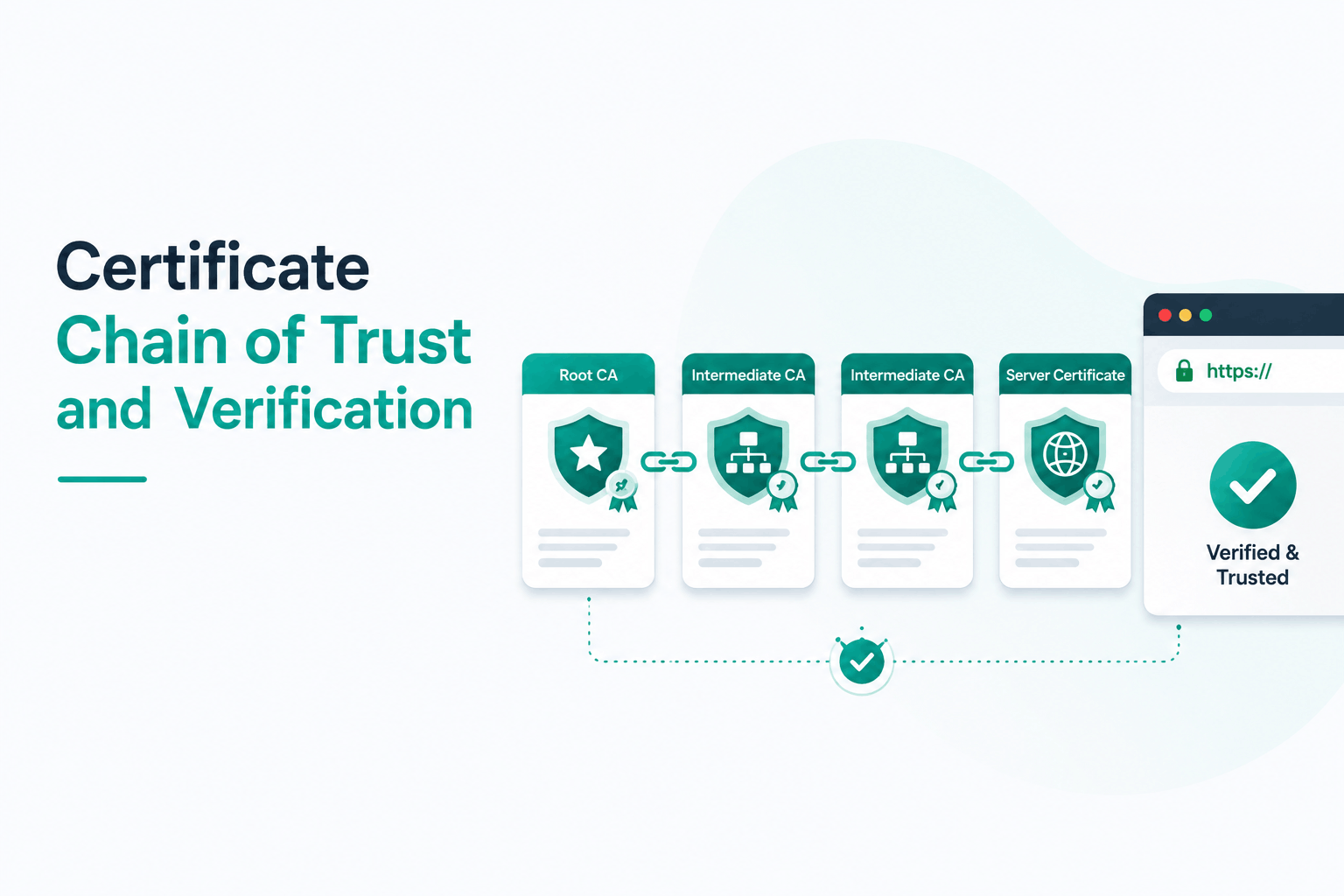
When a browser visits an HTTPS website, it does not simply check whether the site has an SSL certificate. It performs a multi-step verification process that traces a chain of cryptographic signatures from the certificate on the server all the[…]
On the internet, security and safety are crucial, and people and organizations frequently have a valid need to encrypt and confirm the identity of the people they are talking with. A reputable organization that issues digital certificates is known as[…]
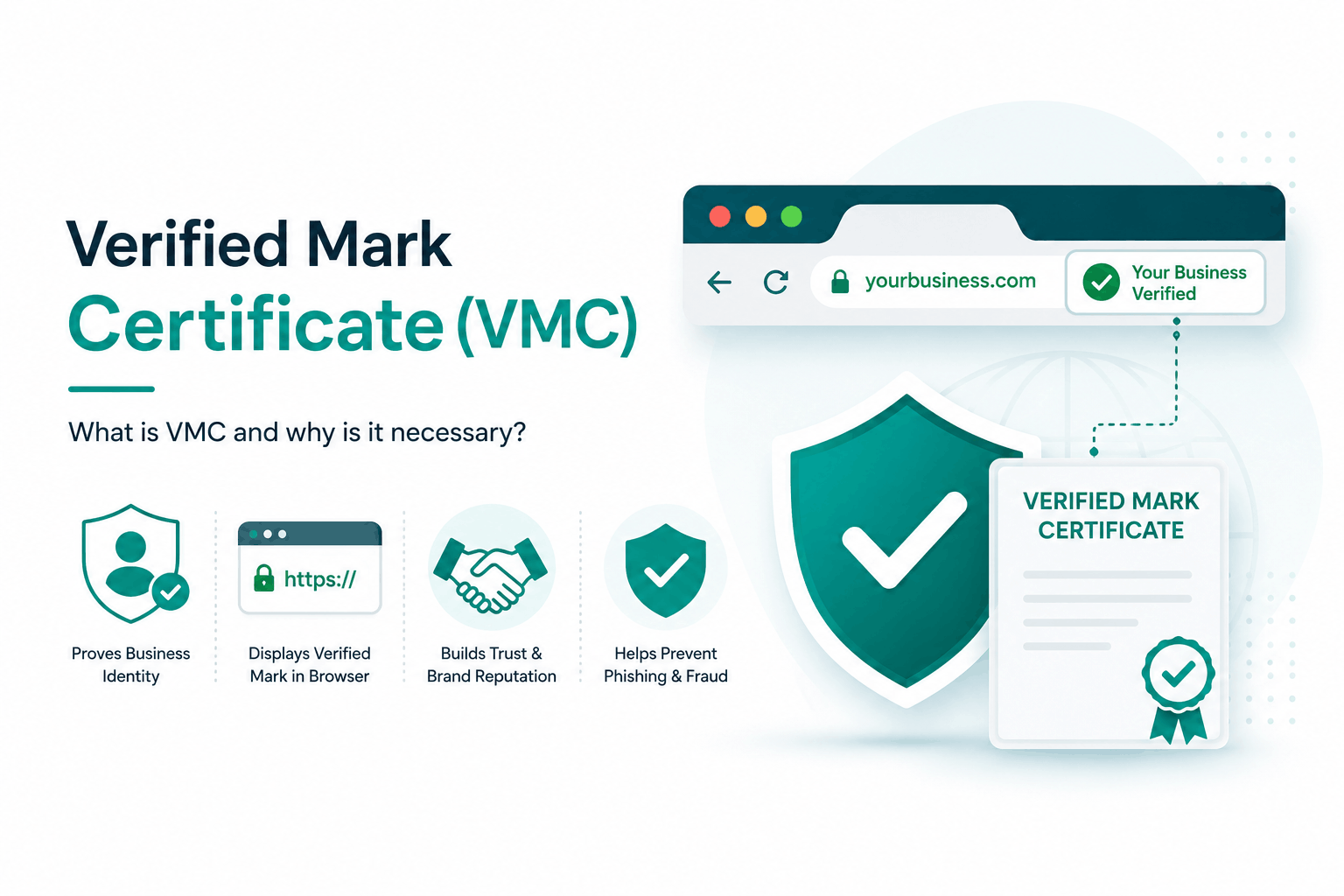
Every day, millions of phishing emails land in inboxes with only two initials in the sender avatar slot — indistinguishable from legitimate business communications. Recipients have no visual signal to separate an authentic email from your brand from one crafted[…]
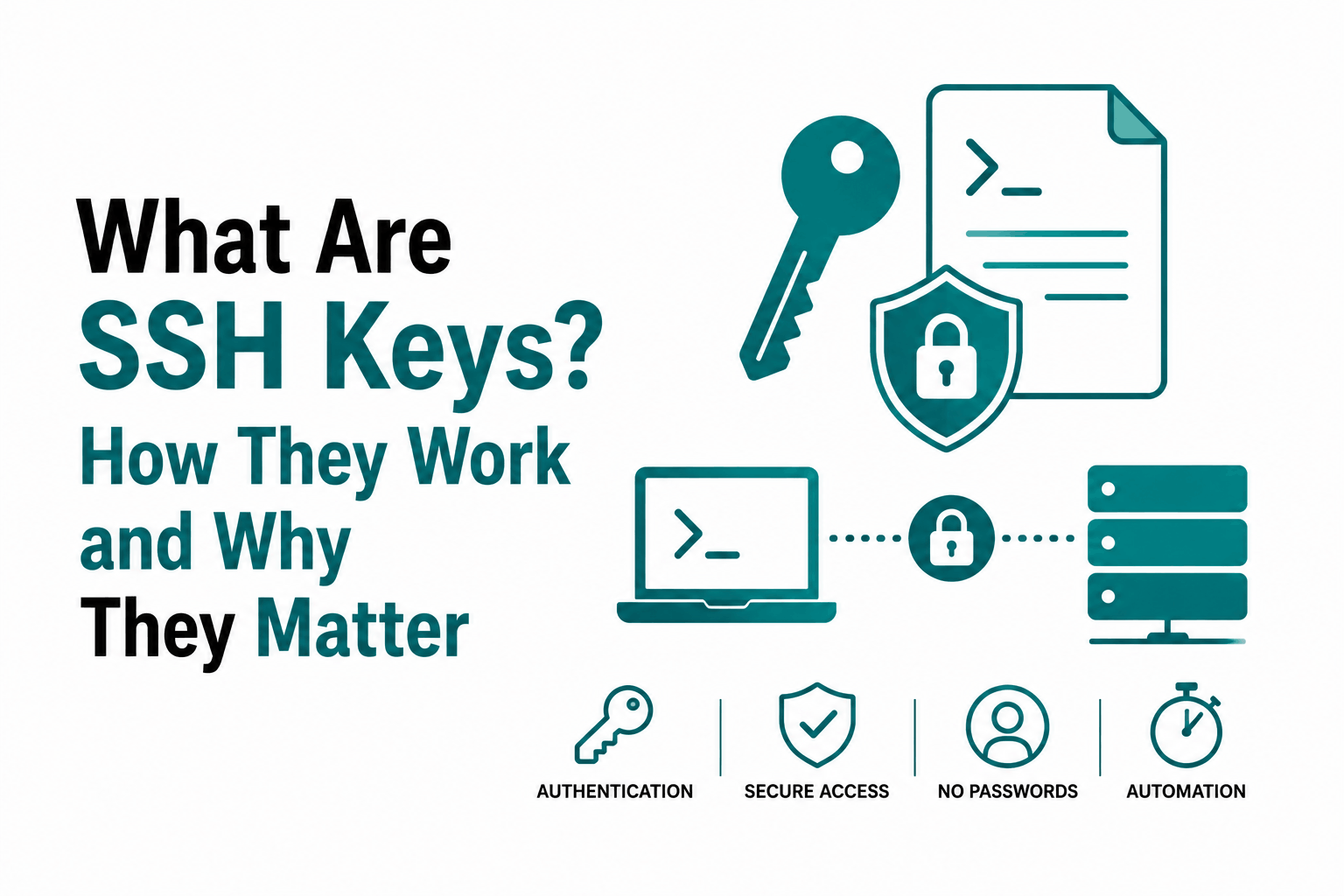
SSL certificates and SSH keys are built on the same mathematical foundation. Both use asymmetric cryptography, both involve a public key that can be shared openly and a private key that must never leave the holder’s control, and both solve[…]
What is a Digital Certificate? A digital certificate is a virtual encryption protocol that demonstrates the genuinity of a server, device or organization via the utilization of PKI (Public Key Infrastructure) and cryptography. Authentication granted by a digital certificate assists[…]
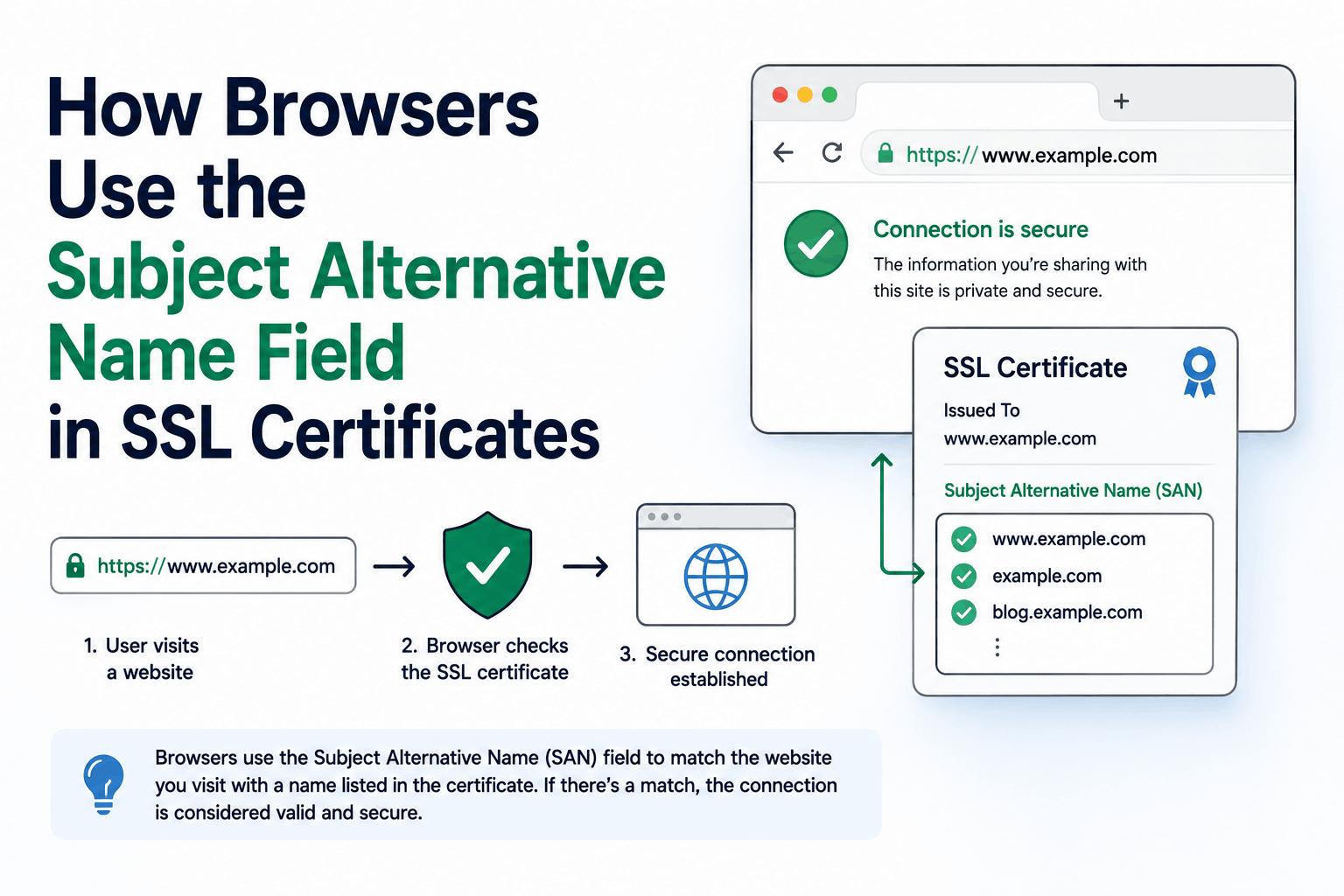
When a browser connects to an HTTPS website, it checks the certificate to verify the server is who it claims to be. The specific mechanism for this check changed permanently in 2017: browsers now use the Subject Alternative Name (SAN)[…]
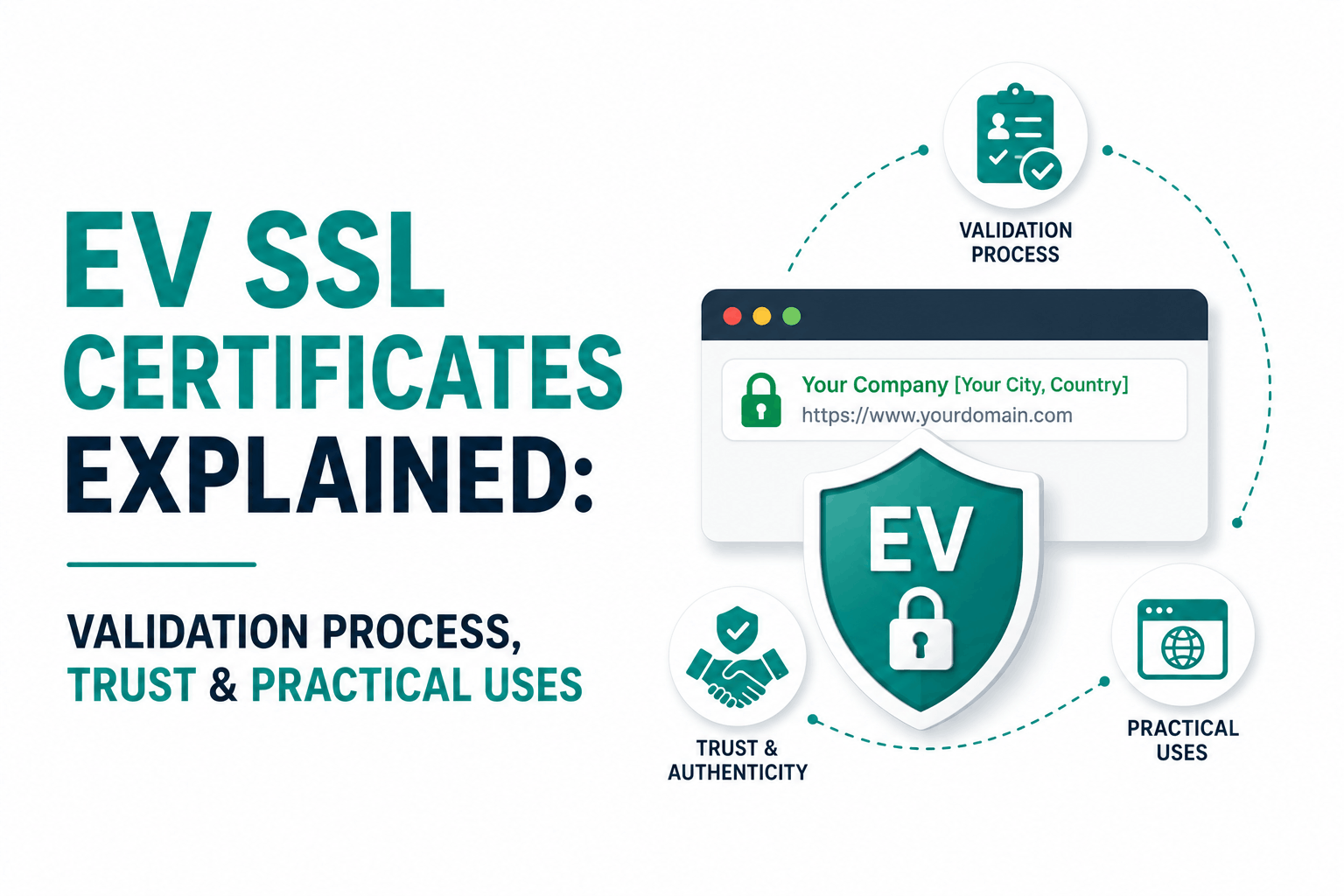
An Extended Validation (EV) SSL certificate is a type of digital certificate used to secure websites and establish a higher level of trust with visitors. It provides the most robust form of validation for SSL certificates by requiring thorough vetting[…]
Chrome’s NET::ERR_CERT_COMMON_NAME_INVALID error has one technical definition: the hostname in your browser’s address bar does not match any hostname in the certificate’s Subject Alternative Names field. But that single definition covers at least six completely different scenarios, each with a[…]

You type in a web address, hit Enter, and Chrome stares back at you with ERR_NAME_NOT_RESOLVED. The website cannot be found. But here is what Chrome does not tell you: this error means something completely different depending on whether you[…]
Always-On SSL (AOSSL) means running HTTPS on every page of your website, not just pages that handle sensitive data. Until around 2015, many sites served only their login, checkout, and account pages over HTTPS while the rest of the site[…]
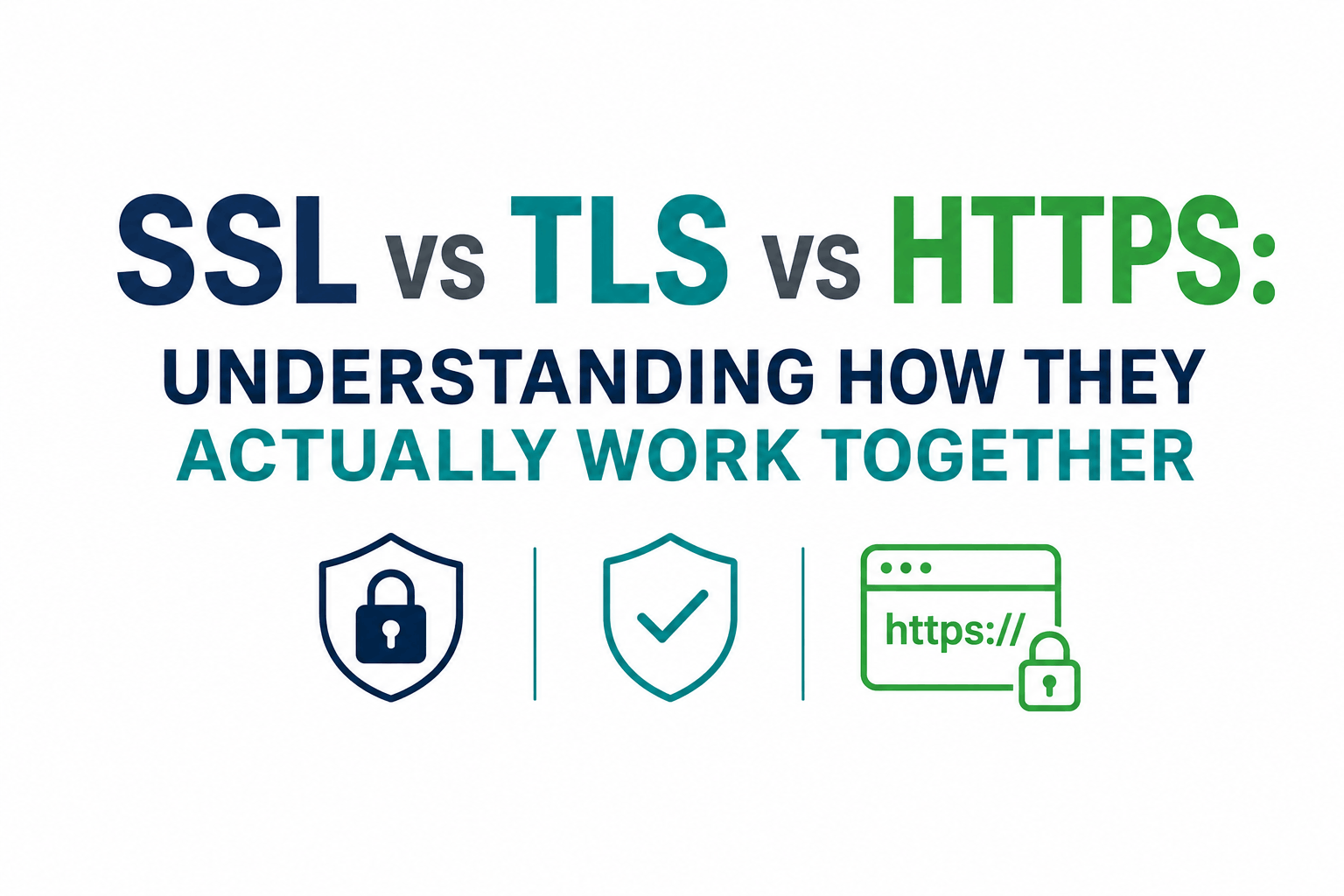
TL;DR: SSL, TLS, and HTTPS are three distinct but related concepts. SSL is a deprecated encryption protocol from the 1990s. TLS is its modern, secure replacement, now in version 1.3. HTTPS is HTTP traffic secured using TLS (or historically SSL).[…]
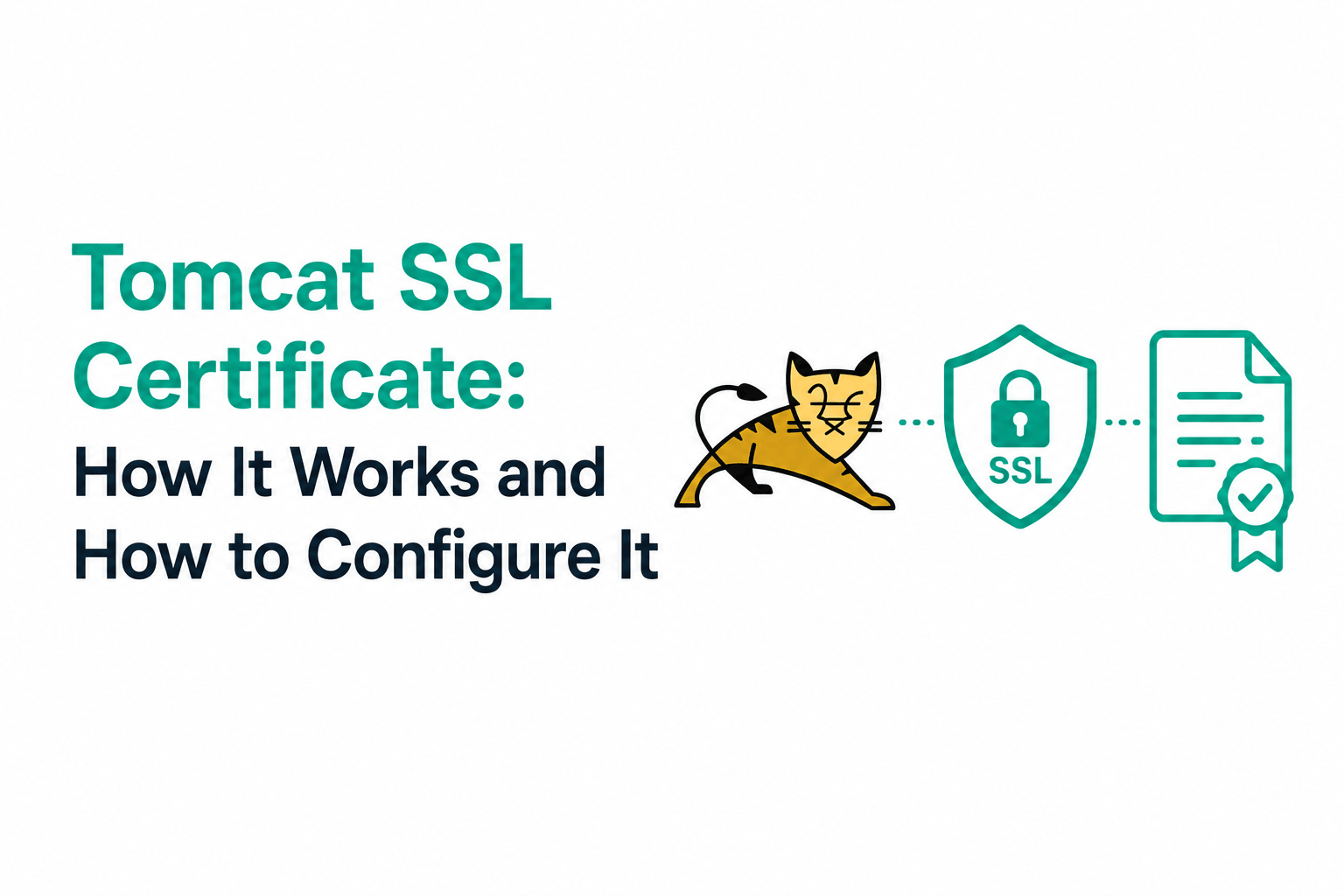
Apache Tomcat handles SSL/TLS differently from web servers like Nginx and Apache HTTP Server. Instead of pointing to certificate and key files directly, Tomcat uses a Java keystore: a file that contains the private key and certificate chain in a[…]
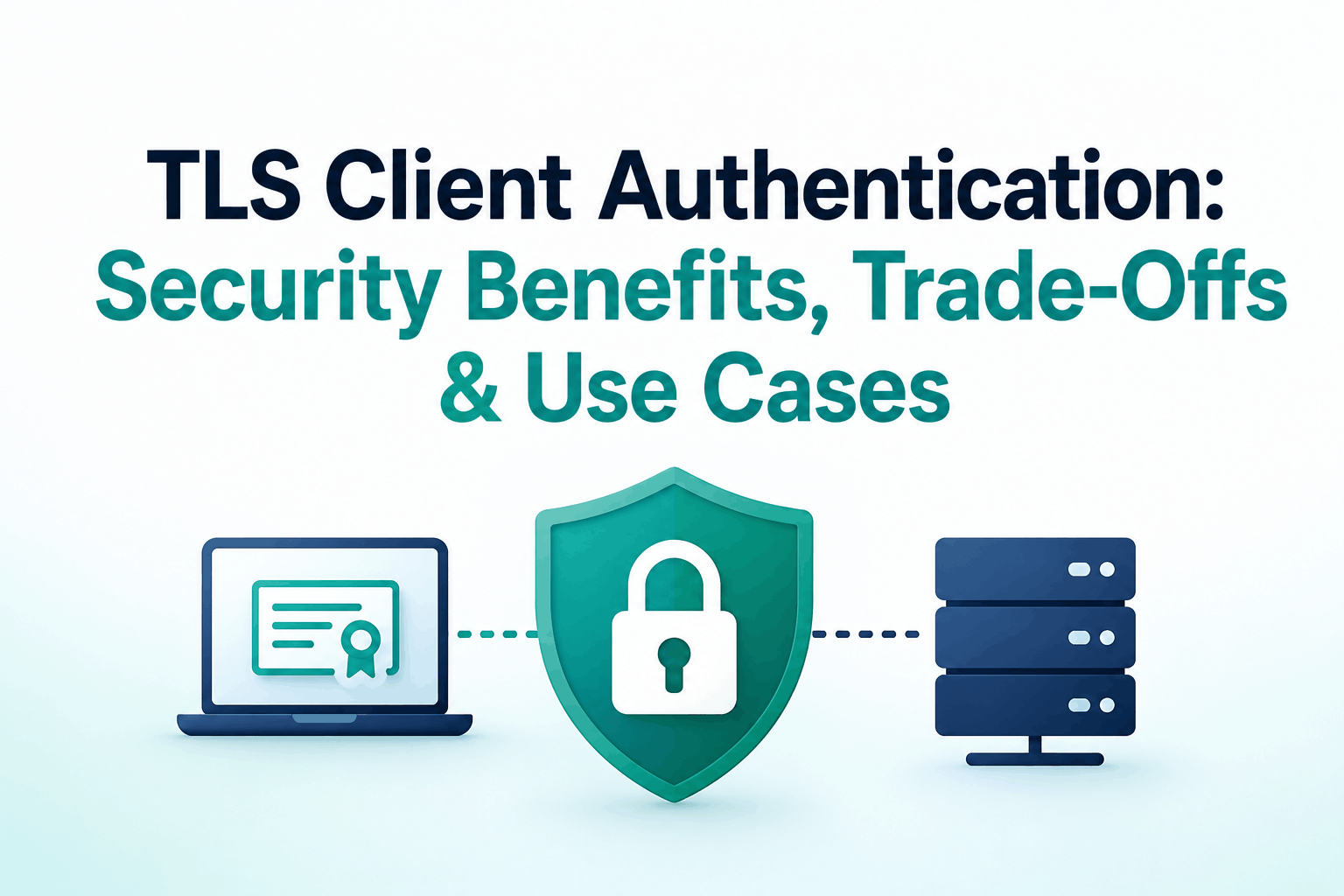
Standard TLS answers one question during the handshake: can the client verify that the server is who it claims to be? The server presents a certificate. The client validates it against a trusted CA. If validation succeeds, the client trusts[…]
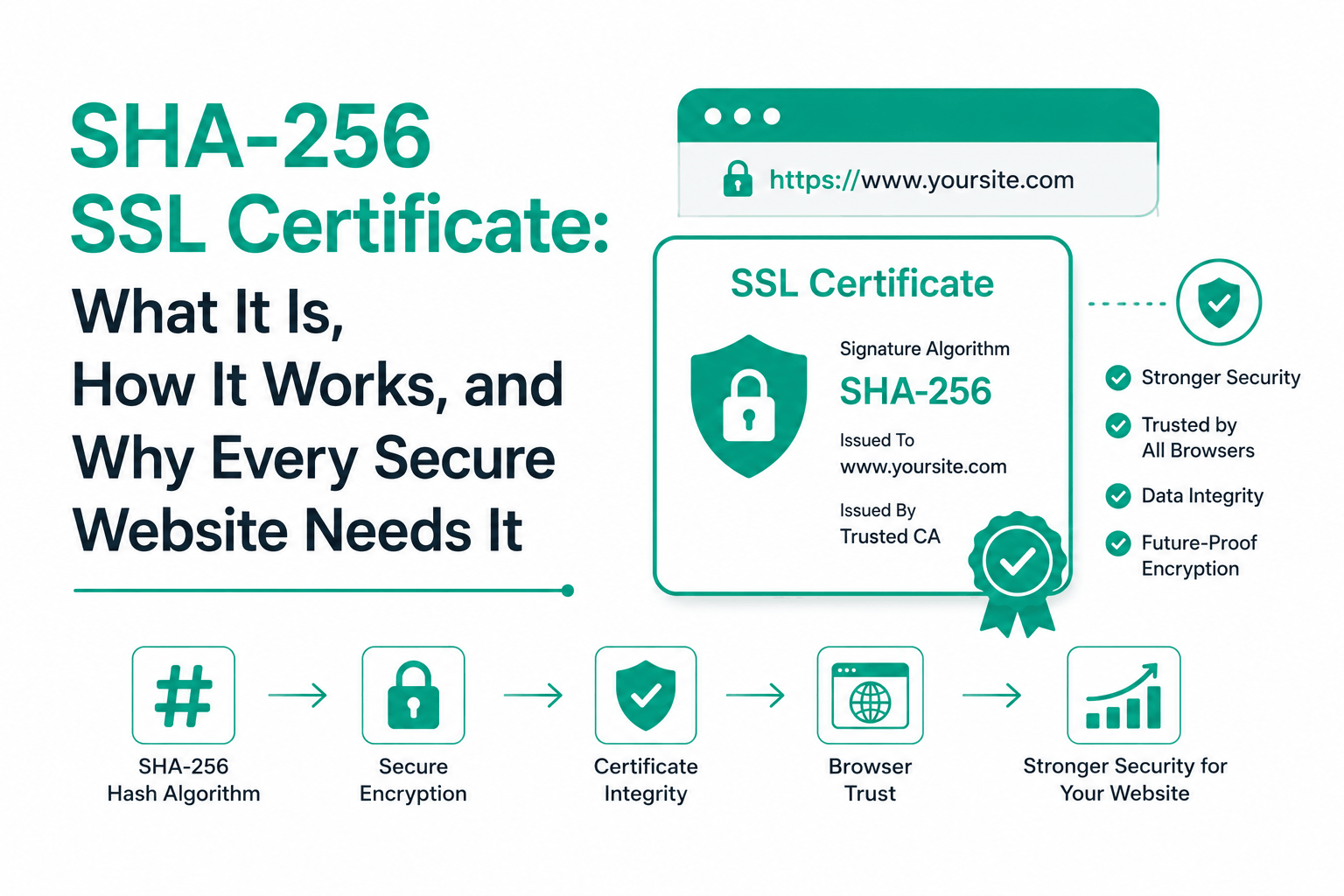
When you buy an SSL certificate today, it almost certainly uses SHA-256 as its signature algorithm. Your hosting provider may mention SHA-256 in the certificate details. Your browser shows it when you click the padlock on any HTTPS website. But[…]
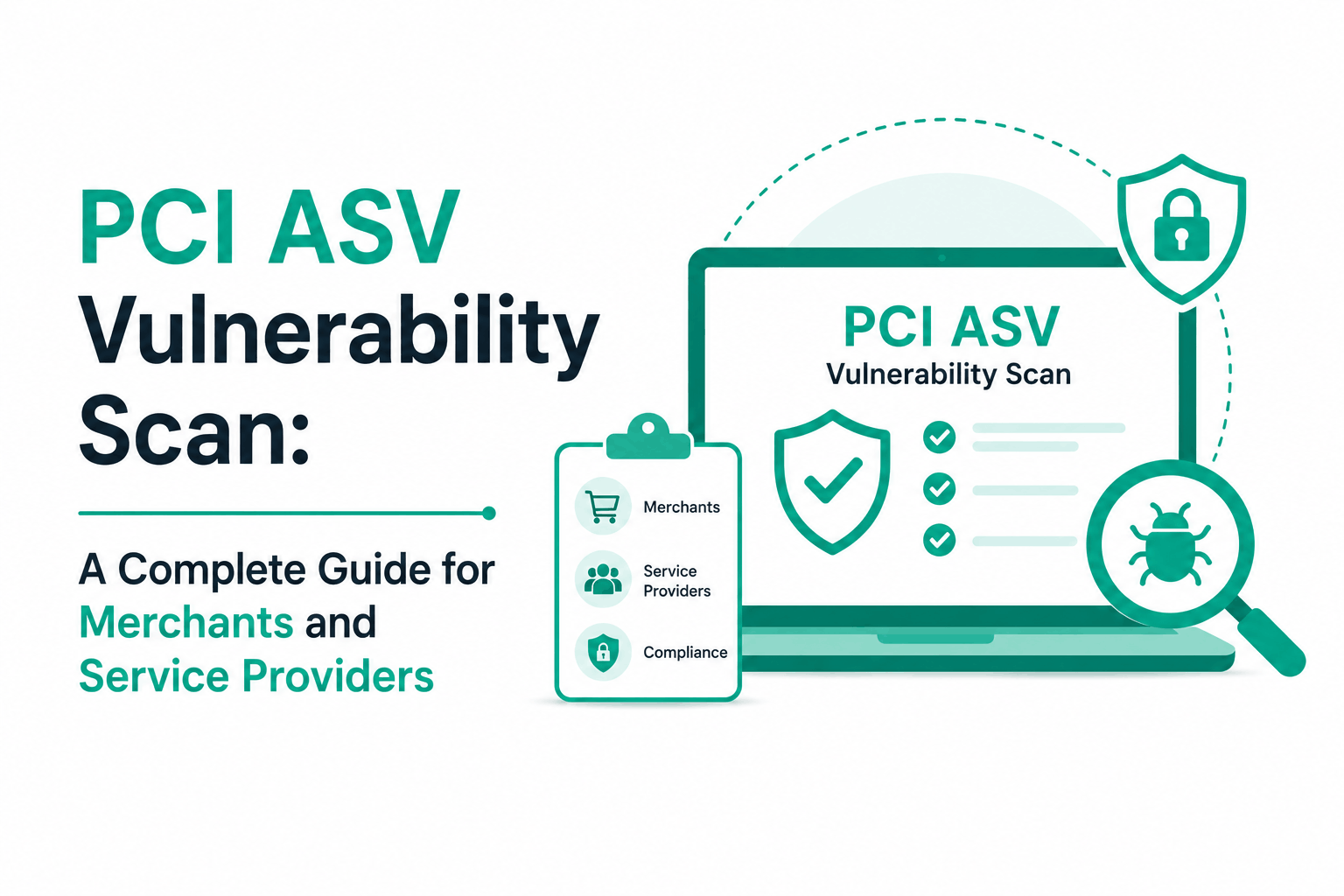
If you accept credit or debit card payments and store, process, or transmit cardholder data, PCI DSS requires quarterly external vulnerability scans conducted by an Approved Scanning Vendor. This is Requirement 11.3.2 in PCI DSS v4.x. It is not optional,[…]
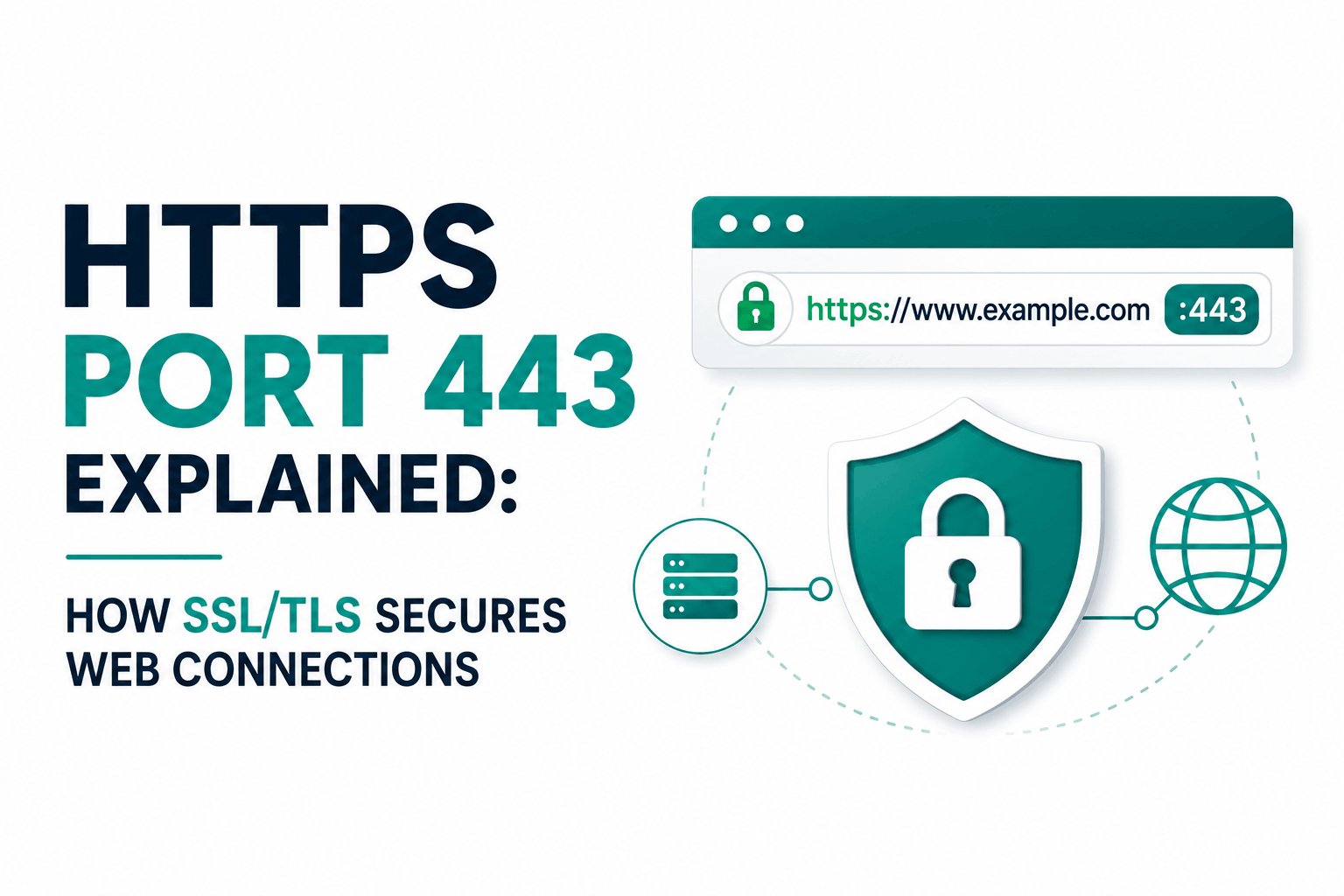
Every time you see that padlock icon in your browser’s address bar, you’re witnessing SSL/TLS encryption in action over port 443. This comprehensive guide explores everything you need to know about SSL ports in HTTPS, how they work, and why[…]
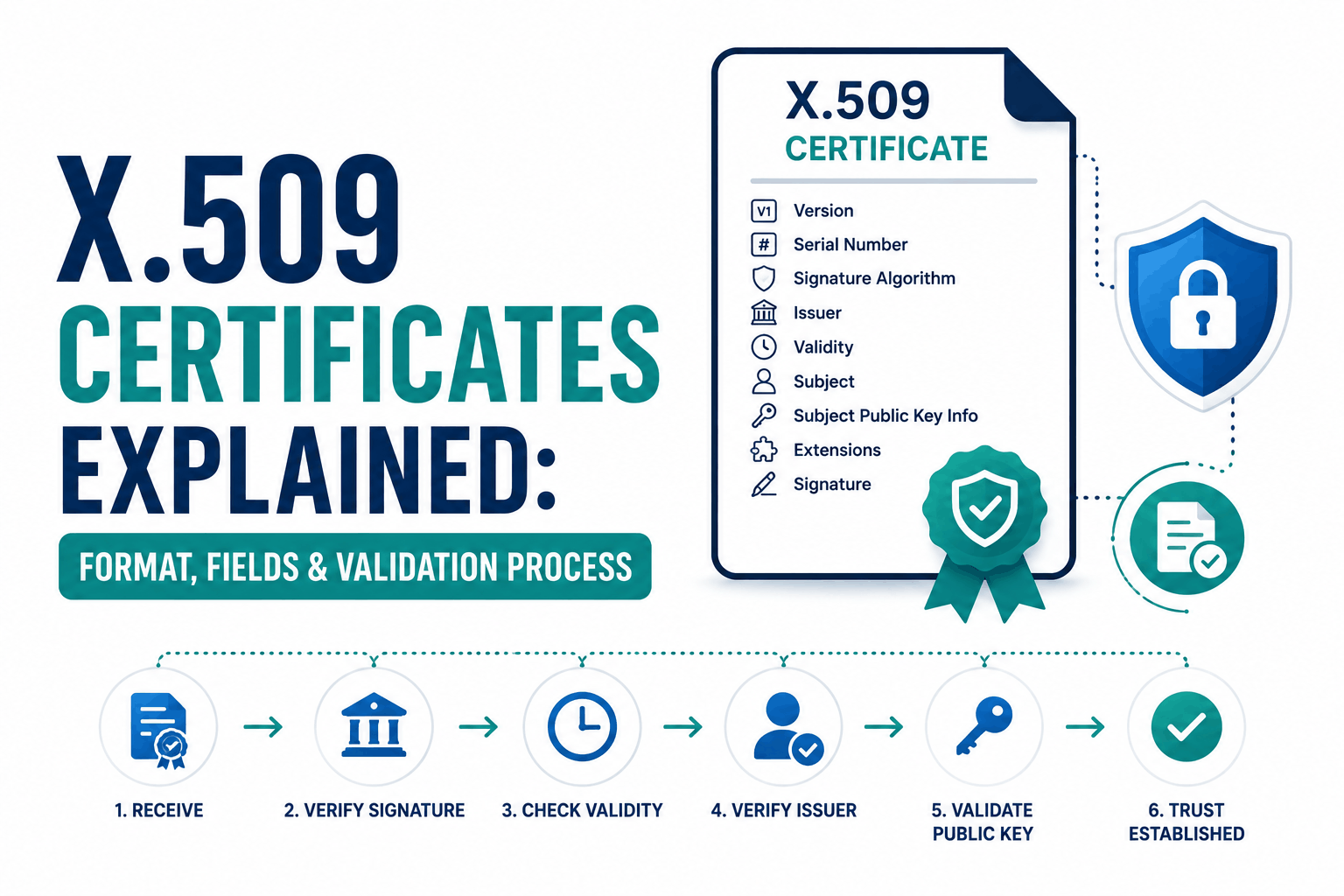
Every SSL certificate, code signing certificate, email signing certificate, and device identity certificate on the internet is an X.509 digital certificate. X.509 is not a product, a company, or a specific security level. It is the international standard that defines[…]
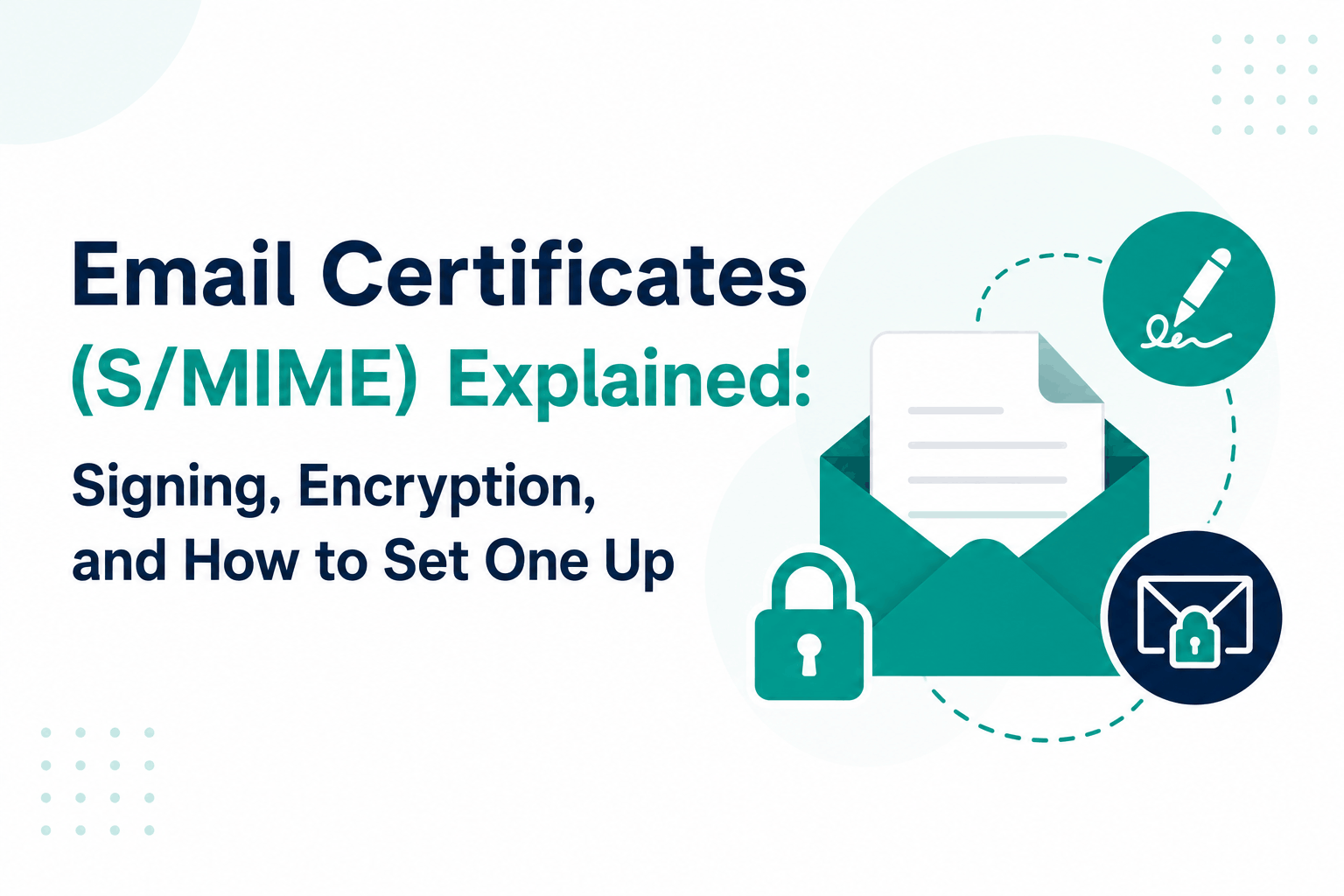
An email certificate, more precisely called an S/MIME certificate (Secure/Multipurpose Internet Mail Extensions), is a digital certificate that does two separate things for an email: it can prove the message genuinely came from the claimed sender and was not altered[…]
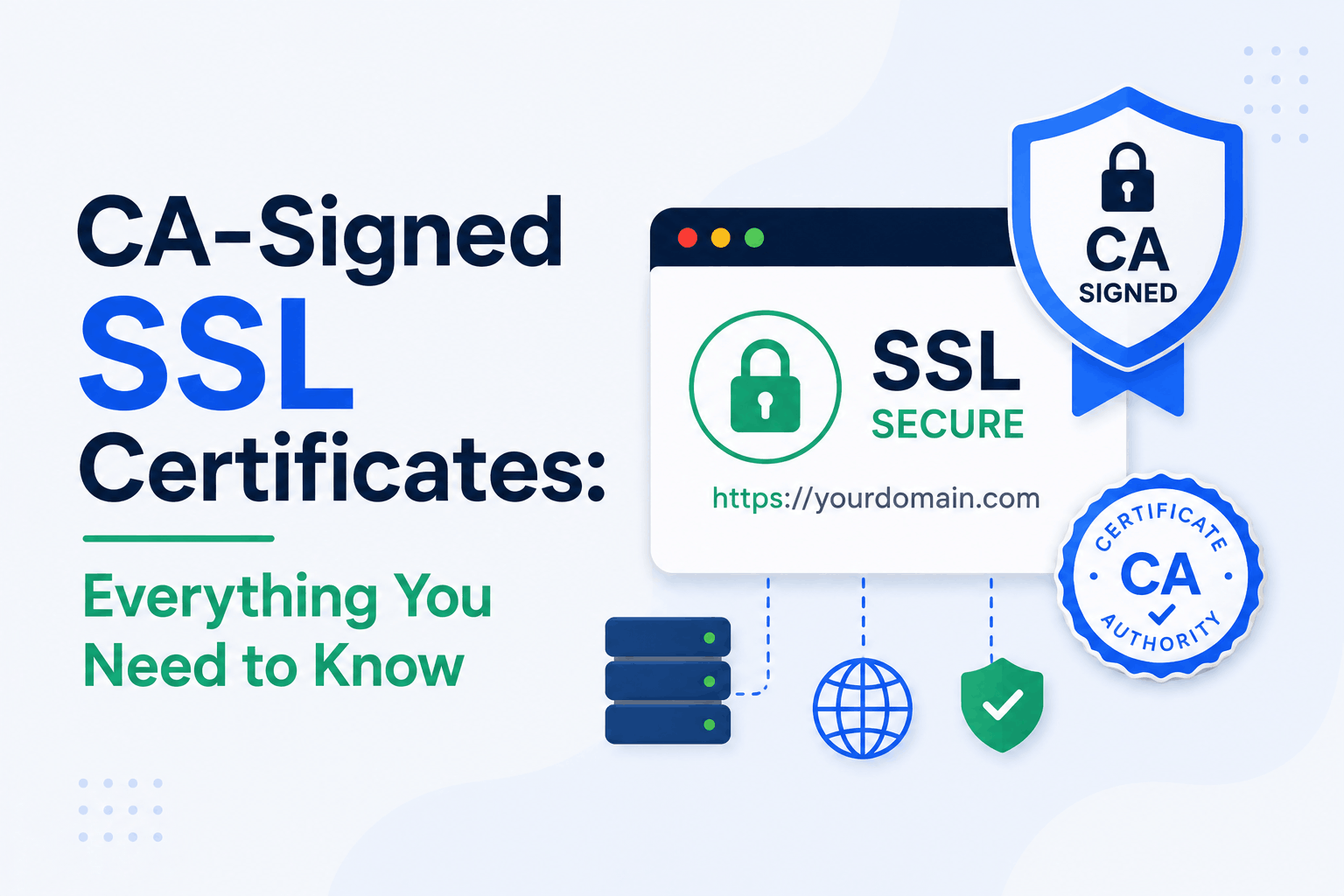
When a browser visits an HTTPS website, it performs one critical check before showing the padlock: did a trusted Certificate Authority sign this certificate? That question is not about encryption strength. Both CA-signed certificates and self-signed certificates can use the[…]
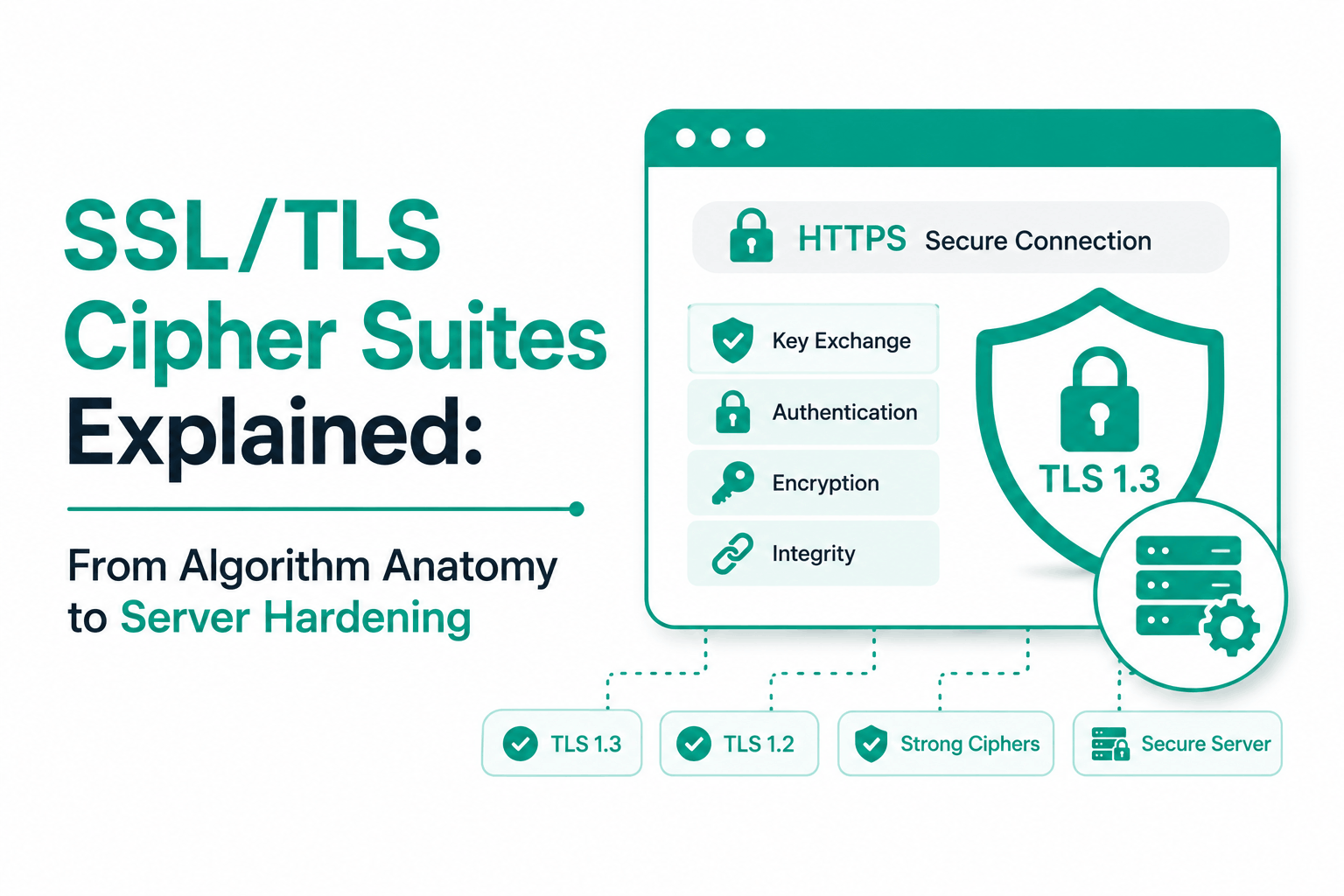
Your SSL certificate gets the credit. Your cipher suite does the actual work. A cipher suite is the set of cryptographic algorithms that handle every aspect of a TLS connection: how the session key is established, how the server proves[…]
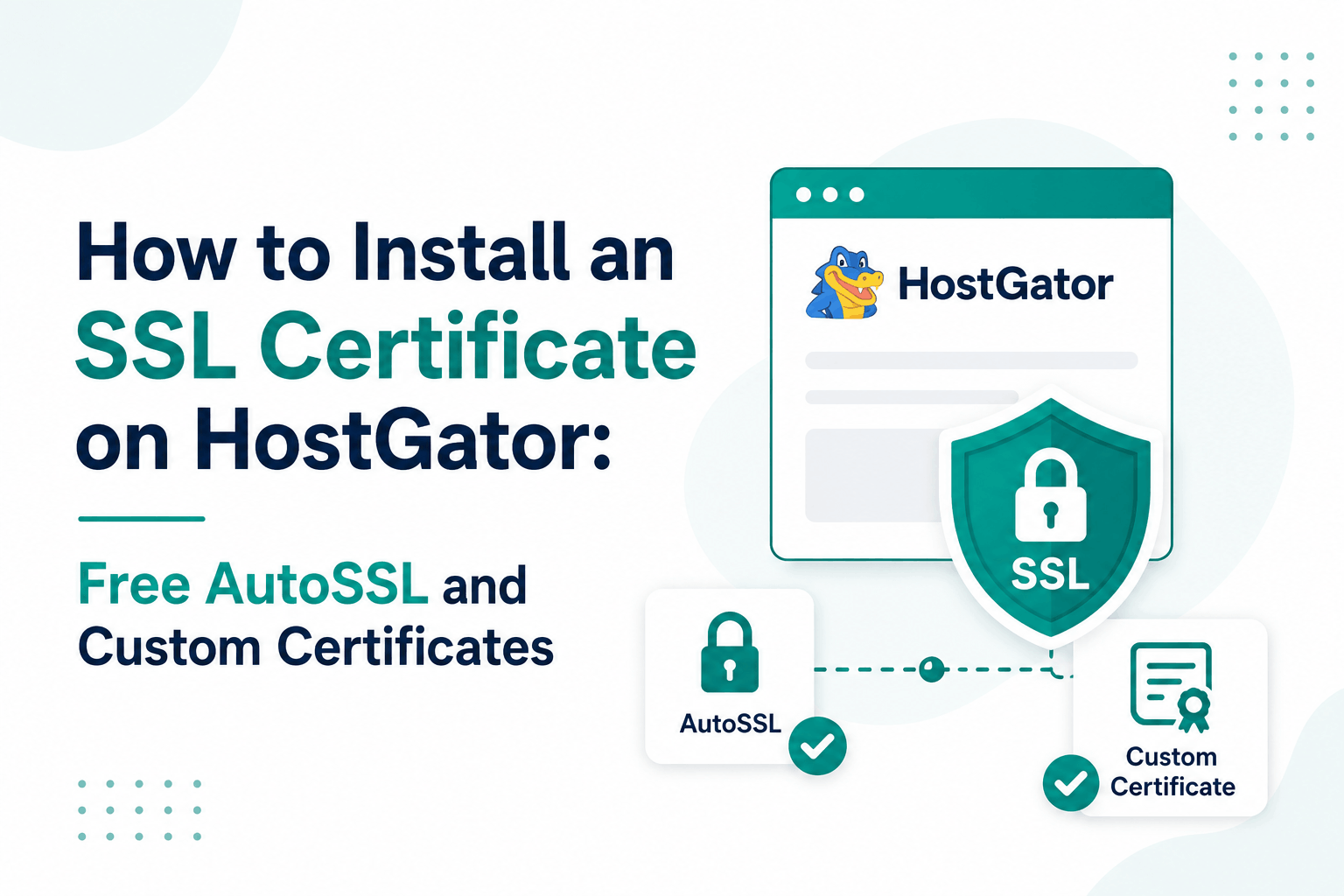
Most HostGator customers do not need to do any of the manual steps further down this article. HostGator includes free SSL through AutoSSL on its hosting plans, and turning it on takes a few clicks in cPanel with no certificate[…]
Google provides us the opportunity to write our own thoughts into blogs through Blogger.com. Now, it allows its custom domain users to secure their particular blogs by enabling HTTPS. In the cases where users do not make use of a[…]

Free SSL Certificate proves to be better for some whereas Paid SSL Certificate to the others. Well, before reaching any decision let’s know whether it is necessary to have paid SSL certificate or we could make it work through Free[…]

SSL Installation Process on Synology NAS Note: In this aide, we’ll utilize testcert.us as an example name. At the point when you complete CSR code age and SSL activation, and download the SSL Certificate to your account, they will be[…]
You eventually need to remove the certificate if it is present in Windows 10. The trust is created by the digital certificates. The certificate is no longer useful if it gets stolen or attacked by a malicious third party or[…]
The SSL/TLS certificate allowed by the SNI (Server name indication) helps to bind the website with a shared IP (Internet protocol) address. It is very rare that you might come across some terms like SNI SSL and IP SSL or[…]

Last updated: Nov 2, 2025 Root certificates are the foundation of online trust. They allow your device or browser to verify the identity of websites, apps, and servers, ensuring your connection is secure. Whether you’re browsing the web on iPhone[…]
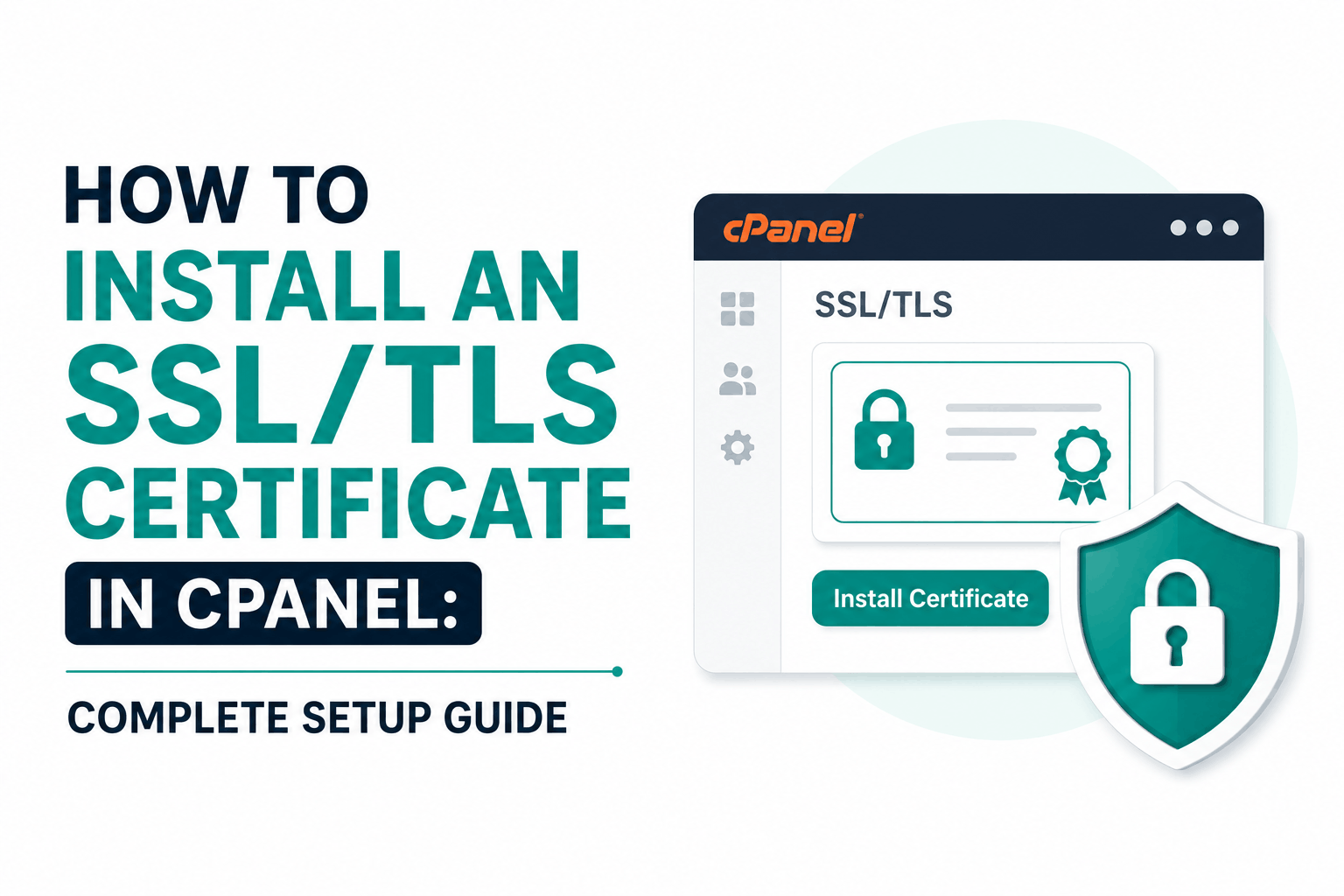
Installing an SSL/TLS certificate in cPanel is essential for website security, SEO rankings, and user trust. In 2026, most hosting providers support automatic SSL installation, but manual installation is still required in some cases. This guide explains both methods in[…]
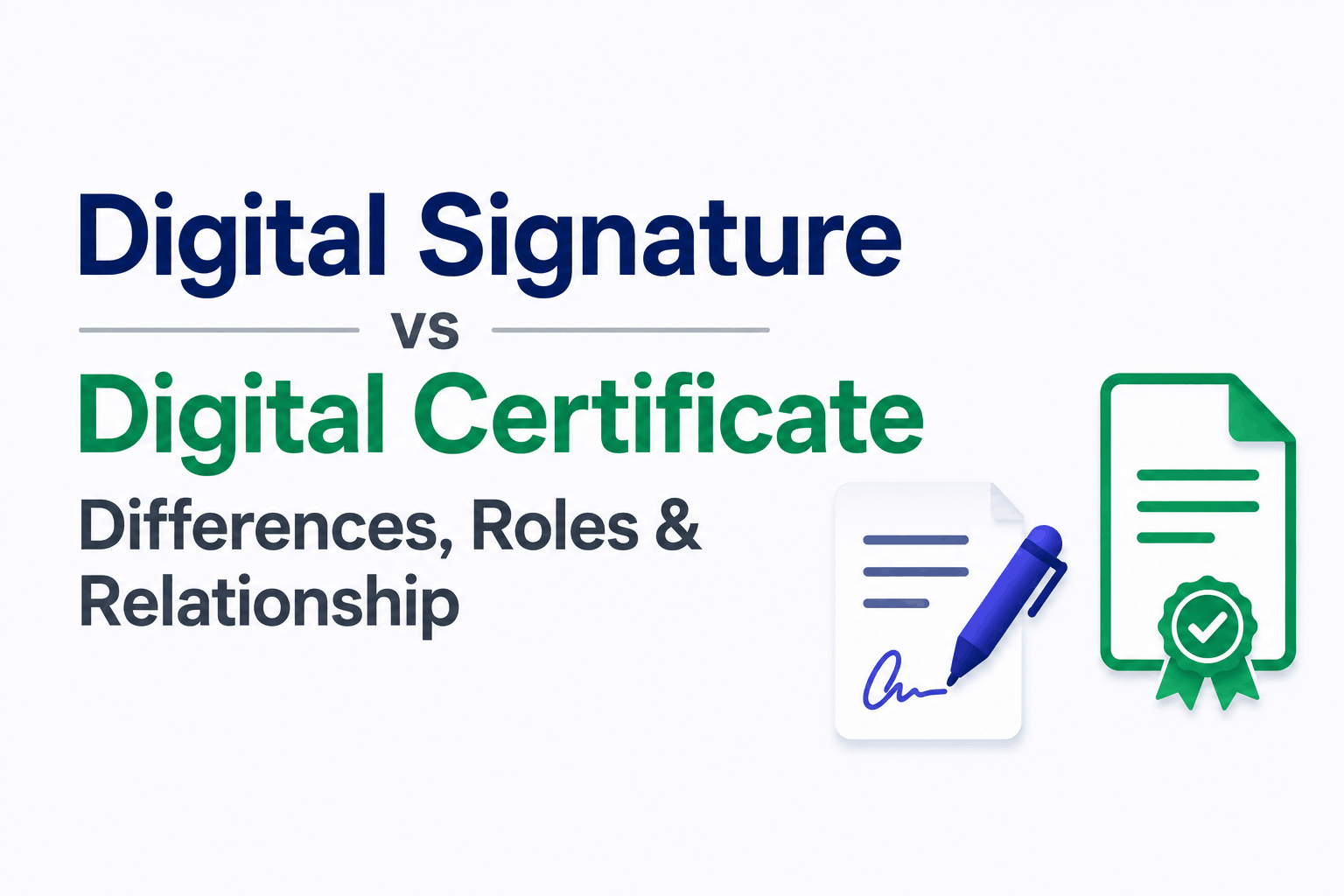
Digital signatures and digital certificates are two of the most commonly confused terms in internet security. They sound similar, they are closely related, and every article you read about SSL certificates mentions both. But they are not the same thing,[…]
Website security in 2026 cannot be reduced to installing an SSL certificate and displaying HTTPS in the browser. HTTPS is essential, but it protects only one part of the communication path between a visitor and your infrastructure. A secure website[…]
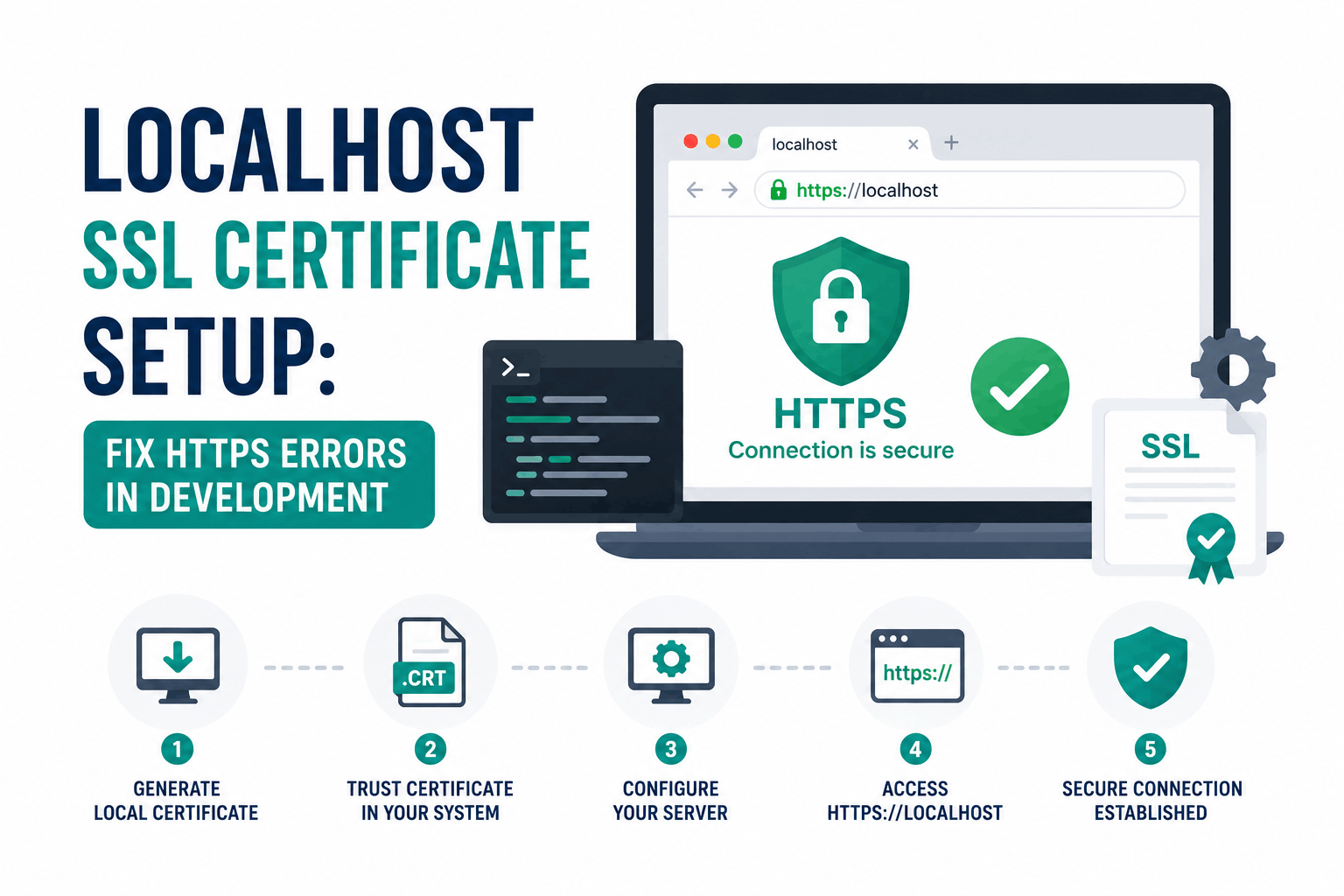
Local development over HTTPS is no longer optional for most web applications. Chrome and Firefox now restrict a growing list of browser APIs to secure contexts only, meaning your application must be served over HTTPS for those APIs to function[…]
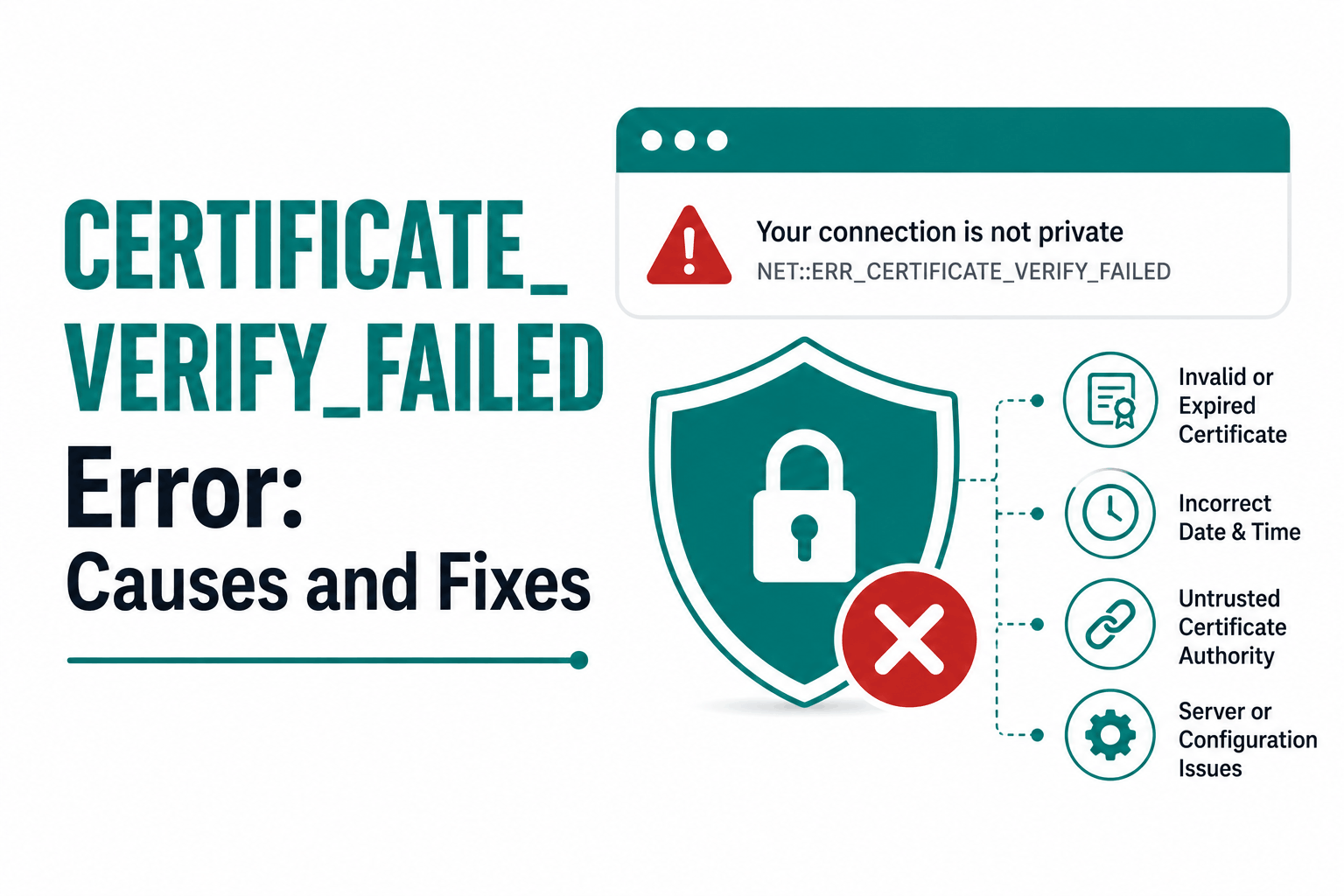
CERTIFICATE_VERIFY_FAILED is not a single problem with a single fix. It is a family of SSL verification failures, each with a different sub-message that identifies the specific cause. Applying the wrong fix to the wrong cause wastes time and sometimes[…]

Last updated: Nov 2, 2025 You’ve secured your website with HTTPS, installed an SSL certificate, and expect users to see the reassuring padlock icon in their browser. Instead, they’re met with a full-screen warning like “Your connection is not private”,[…]
Last updated: Oct 26, 2025 The “Warning: Potential Security Risk Ahead” message in Firefox appears when the browser cannot verify that the site you’re trying to visit is protected by a valid and trusted SSL/TLS certificate. This is not a[…]
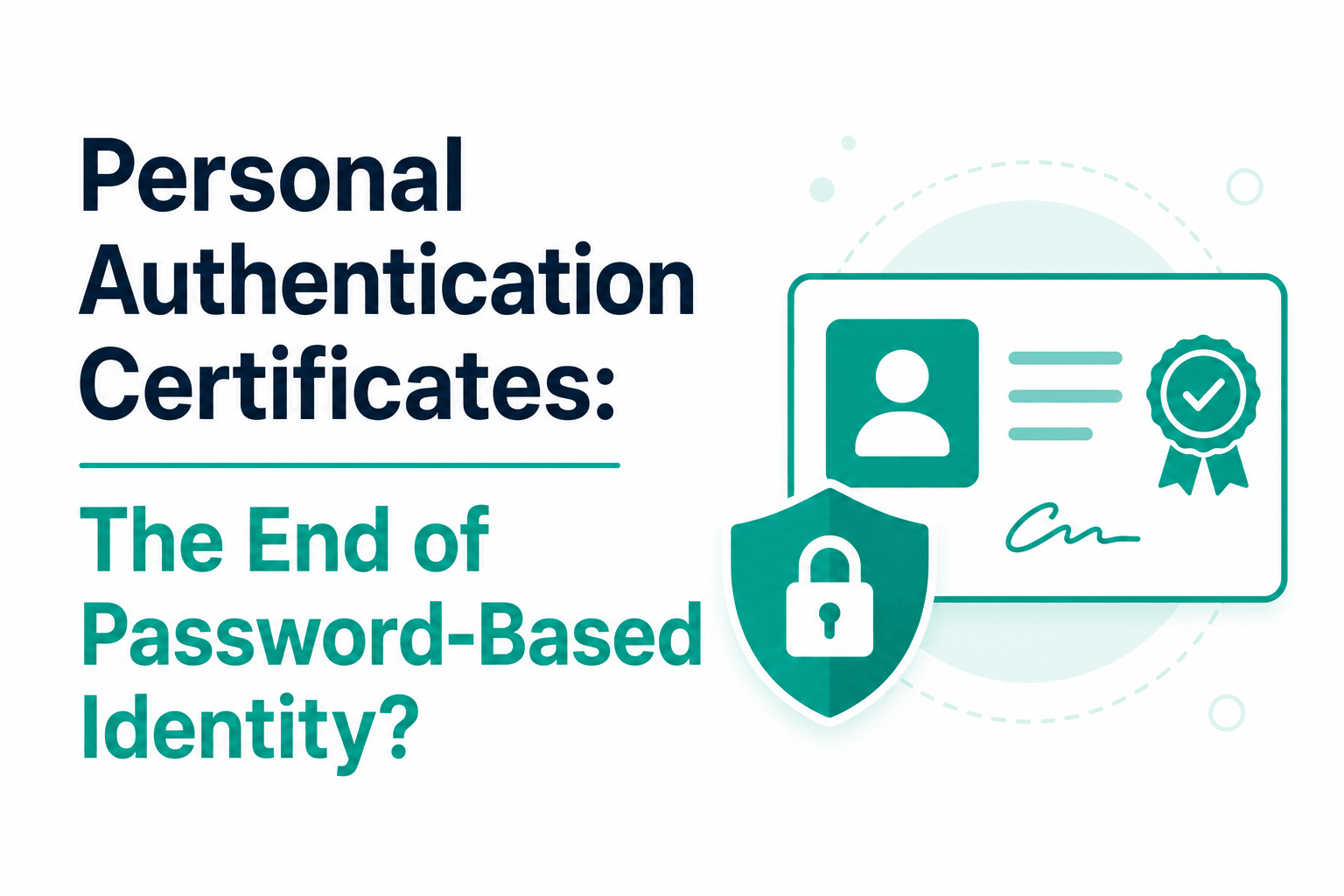
Digital identity has a fundamental problem that every authentication system in the past fifty years has tried and mostly failed to solve: how do you prove, to a remote system that has never met you, that you are who you[…]
TLS 1.3 was published as RFC 8446 in August 2018, almost a decade after TLS 1.2. The gap is significant. TLS 1.2 arrived in 2008 and was designed to be backwards compatible, preserving negotiation pathways for dozens of cipher suites,[…]

Choosing an SSL certificate should not start with the question, “Which certificate is the most secure?” That question sounds logical, but it usually leads website owners toward a more expensive certificate than they actually need. The better question is: What[…]
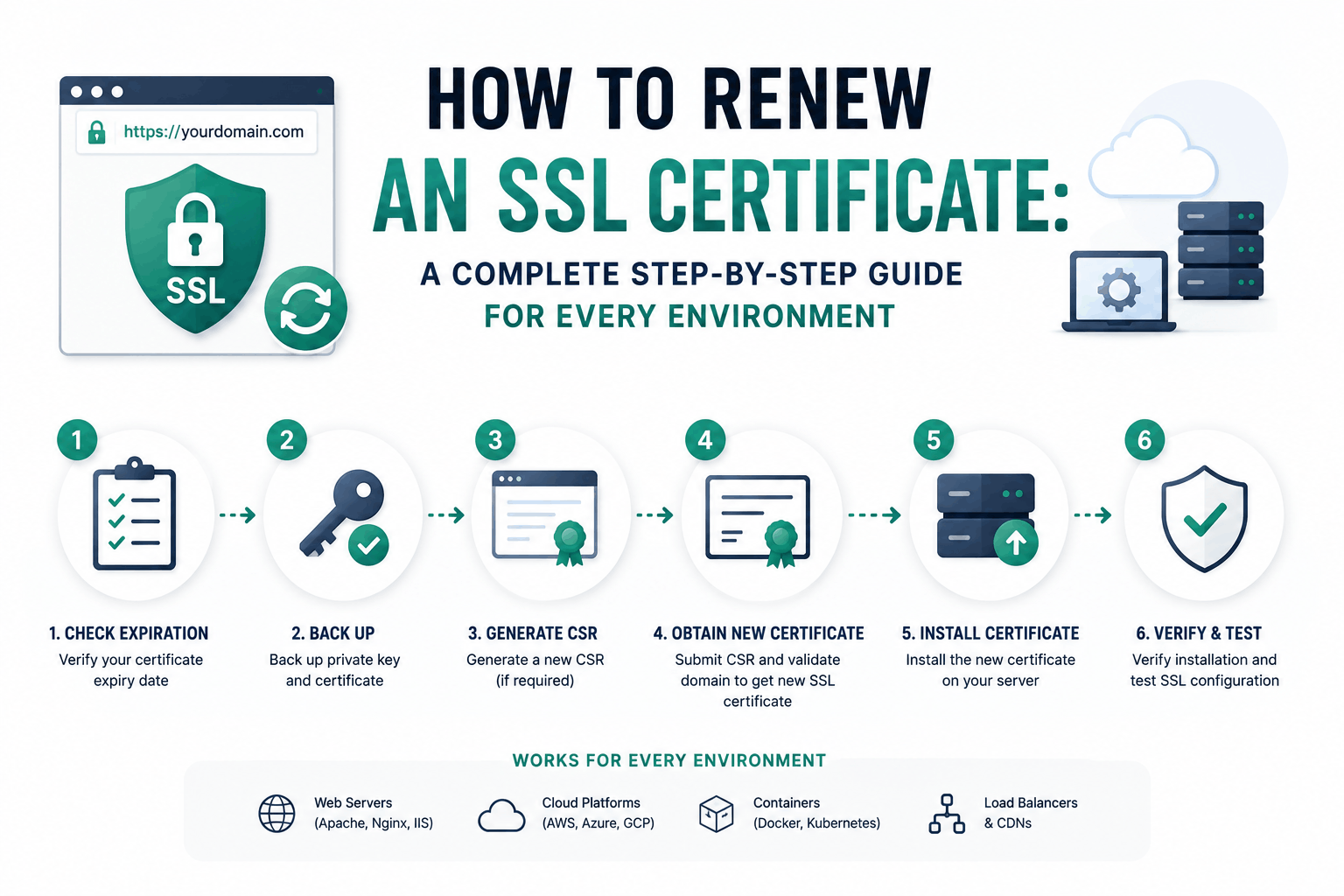
SSL certificate renewal is not a single process. The steps vary significantly depending on how your certificate was obtained, where it is installed, and whether automation is already configured. A Let’s Encrypt certificate renewed through Certbot takes one command. A[…]
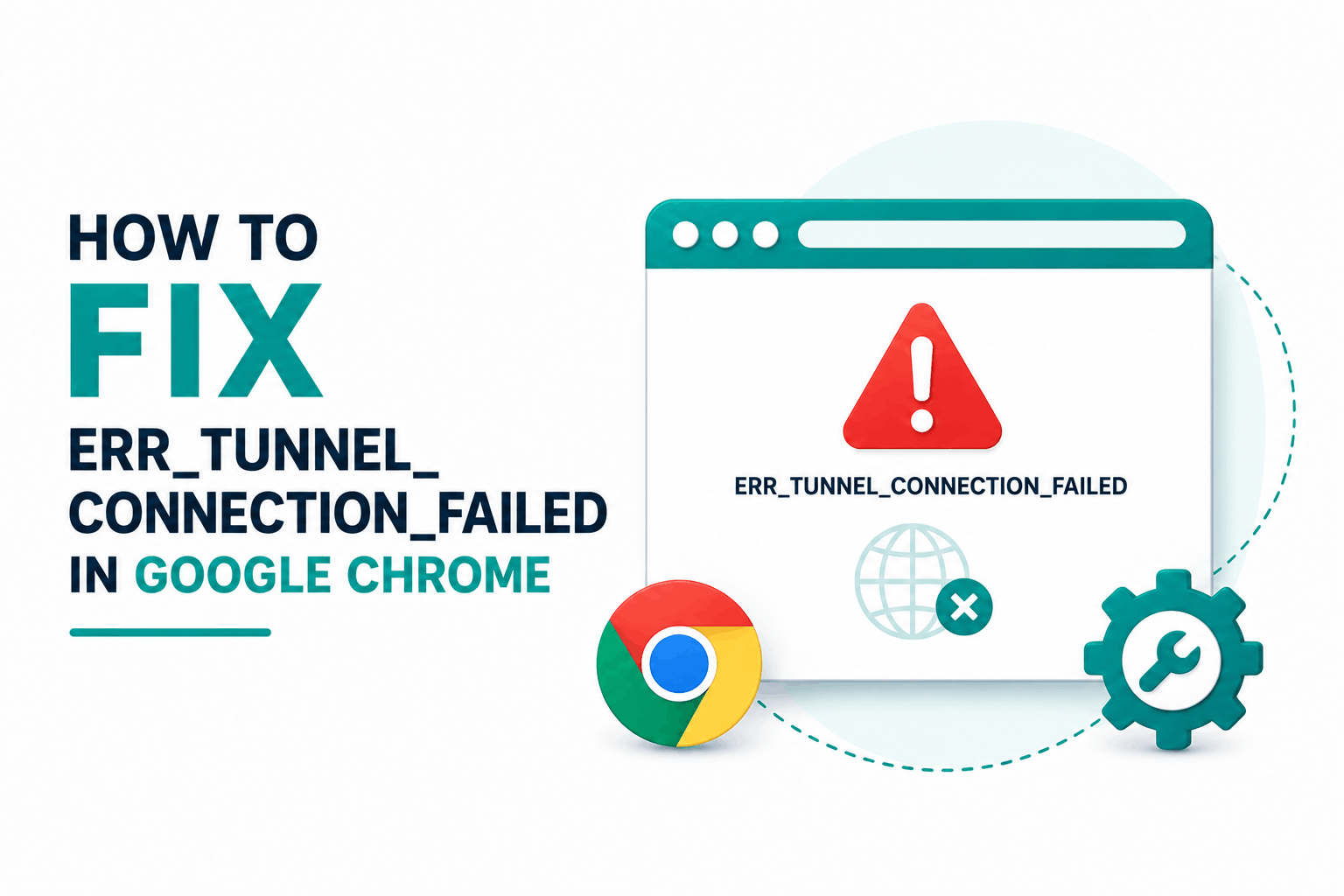
ERR_TUNNEL_CONNECTION_FAILED is a proxy-specific error. The name describes exactly what happened: Chrome attempted to establish a tunnel connection through a proxy server and the tunnel failed. This error cannot appear when Chrome has no proxy configured, because the tunnel mechanism[…]
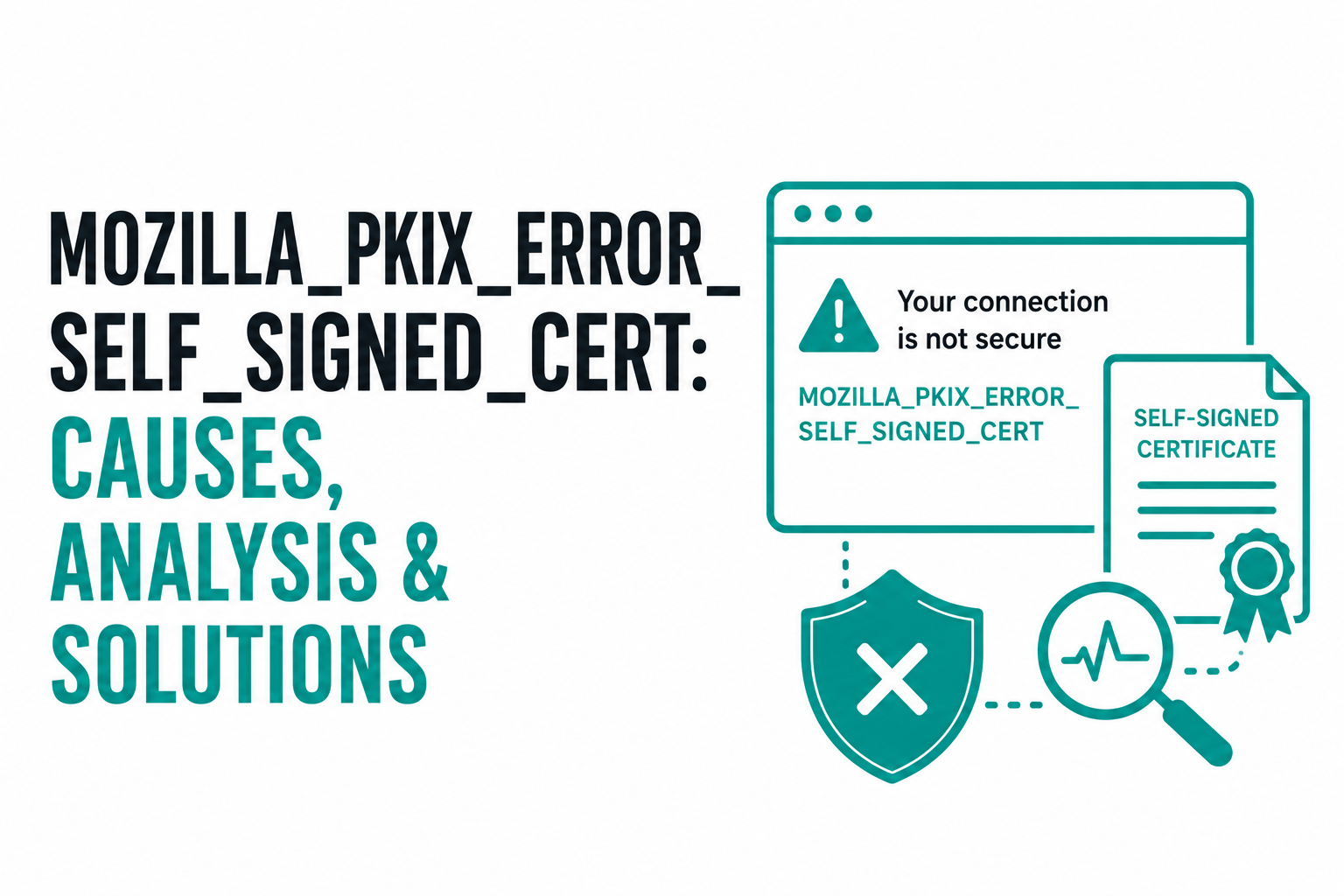
The MOZILLA_PKIX_ERROR_SELF_SIGNED_CERT error occurs in Mozilla Firefox when trying to access a website that has an SSL/TLS certificate that is self-signed and not issued by a trusted Certificate Authority (CA). In other words, Firefox does not trust the certificate because[…]
Firefox enforces a constraint that most browsers handle more loosely: every certificate from a given issuer must have a unique serial number. If Firefox sees two certificates with the same issuer distinguished name and the same serial number but different[…]
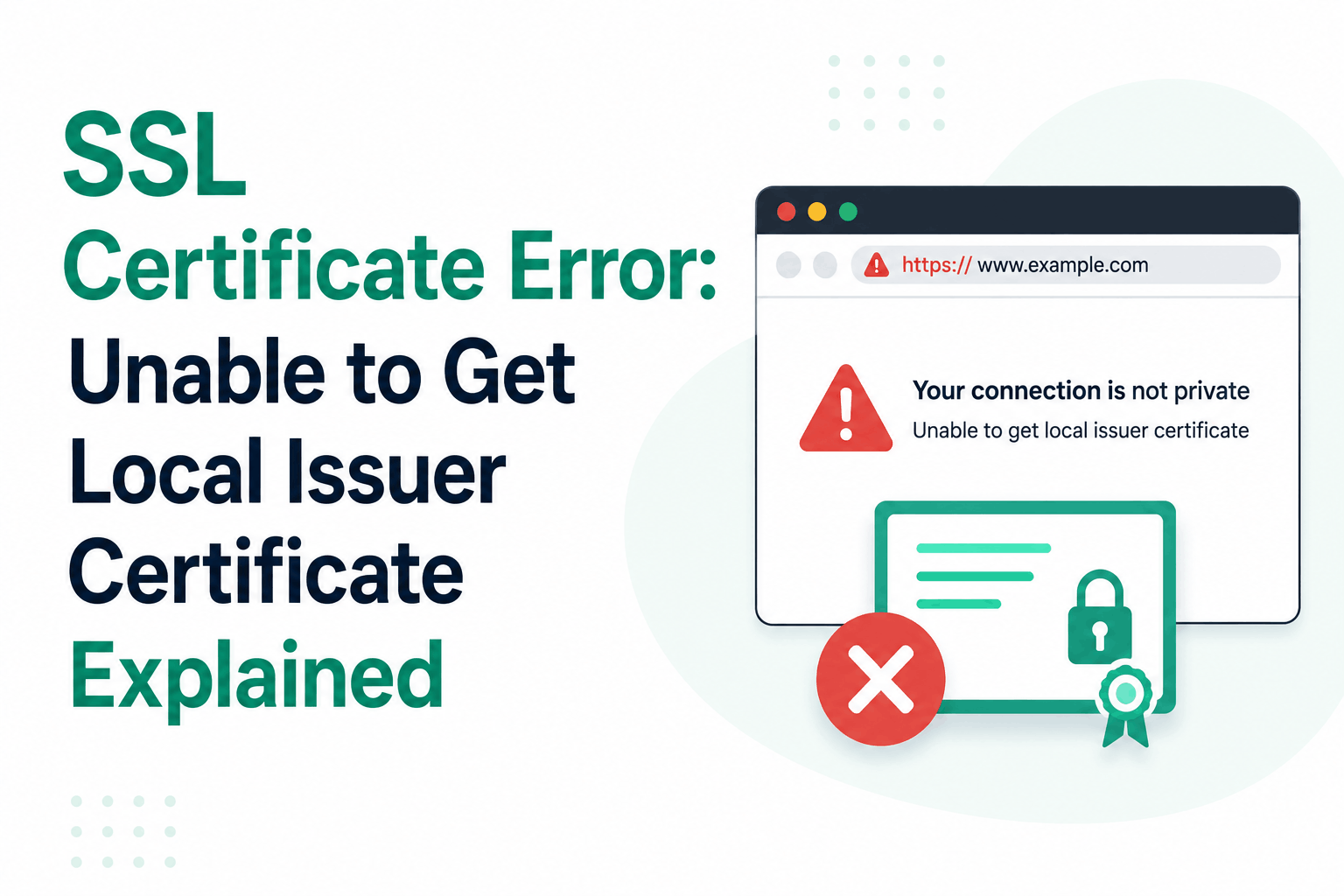
The error message is unambiguous: SSL certificate problem: unable to get local issuer certificate. The tool you are running — curl, git, Python requests, Node.js, or something else entirely — attempted to verify the server’s certificate chain and could not[…]

For many years, the green lock icon in Firefox and other browsers was treated as a quick visual signal that a website was secure. Users saw the icon, assumed the website could be trusted, and rarely looked any further. Website[…]
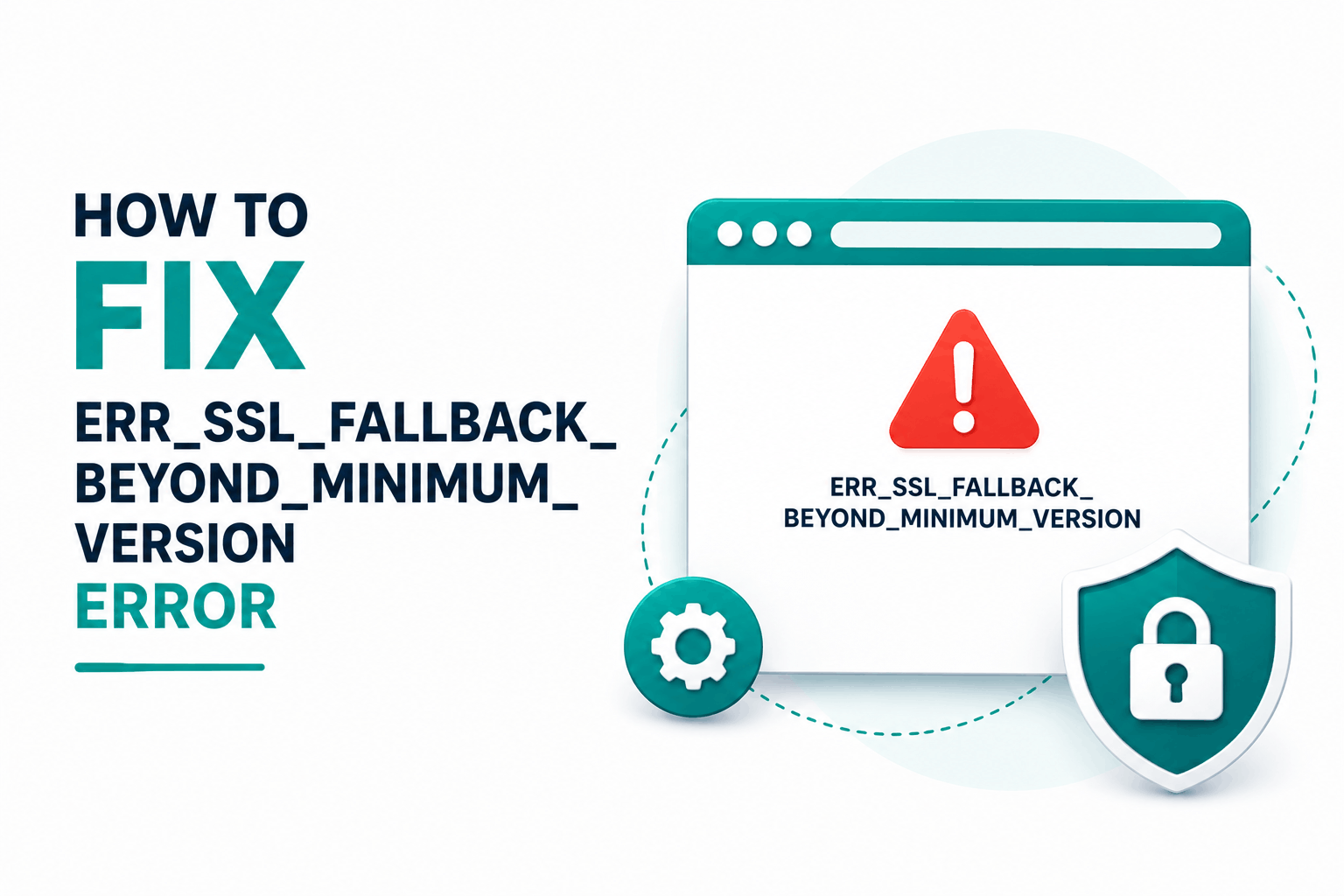
ERR_SSL_FALLBACK_BEYOND_MINIMUM_VERSION is one of the most specific and technically precise error codes Chrome produces. It does not mean the certificate is expired, the domain is wrong, or the connection was blocked by a firewall. It means the server is so[…]
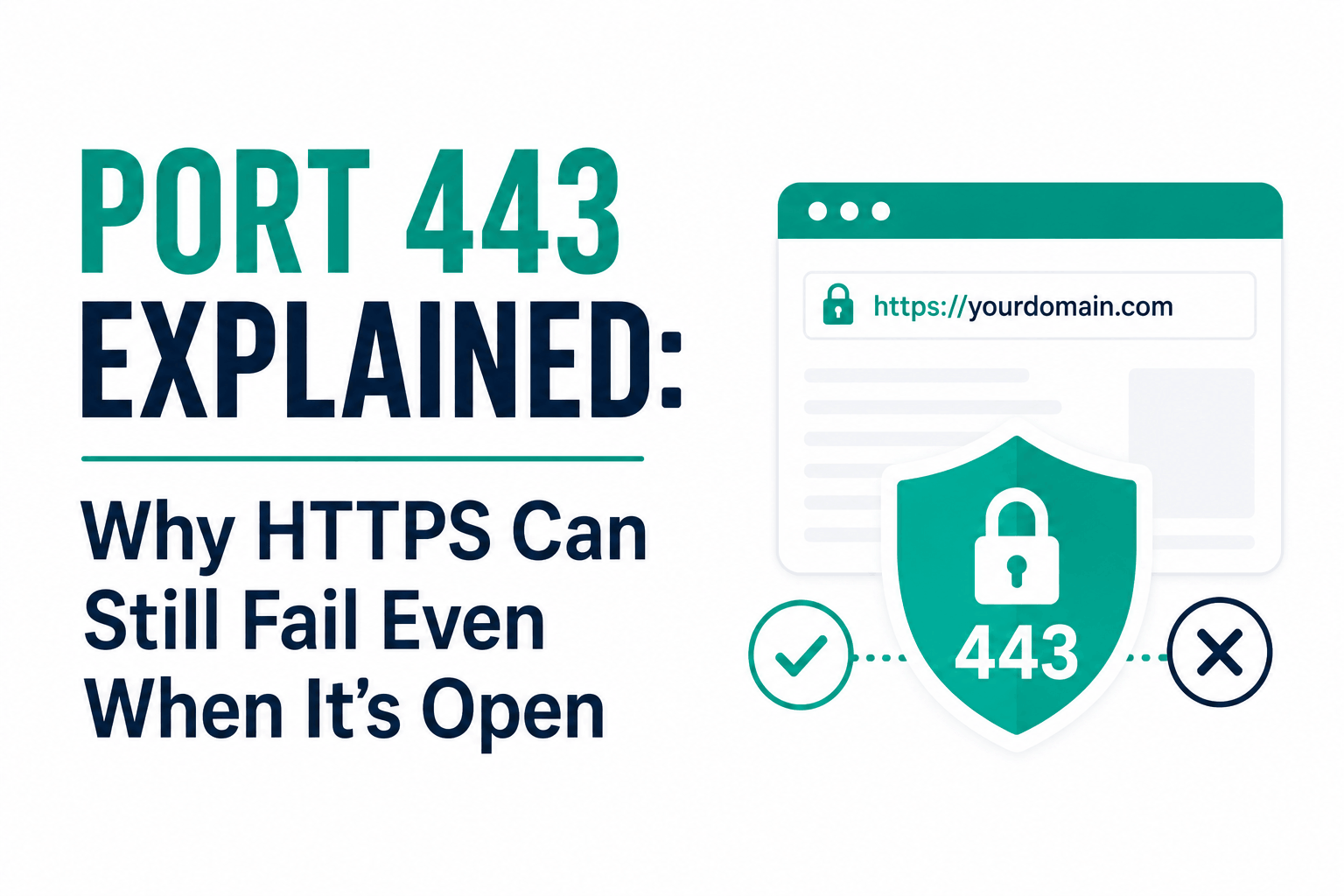
Port 443 is the default TCP port for HTTPS traffic. Every time a browser connects to a website using https:// and you do not specify a port number in the URL, port 443 is where the connection goes. The browser[…]
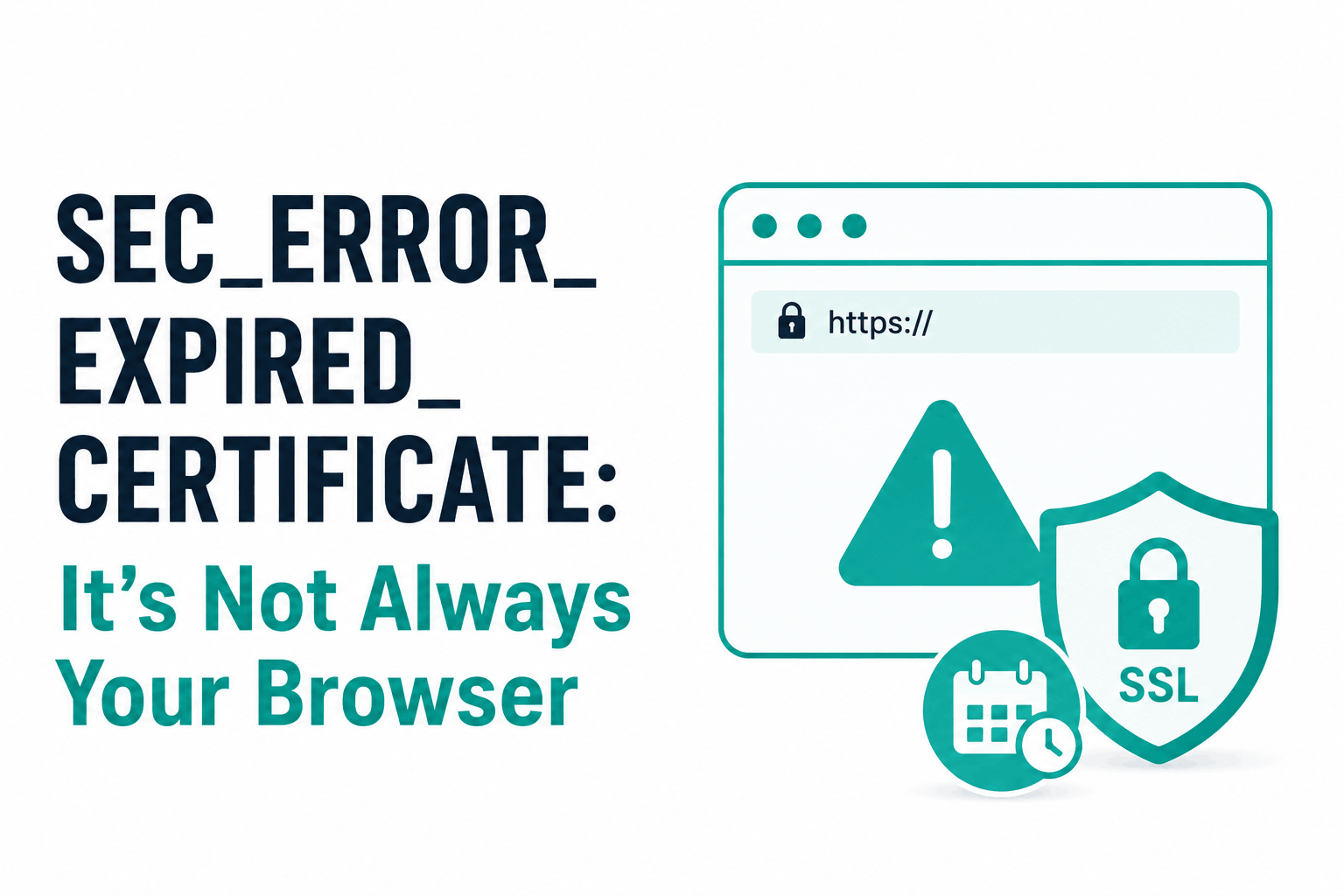
SEC_ERROR_EXPIRED_CERTIFICATE is Firefox’s way of telling you that a certificate’s validity period has ended, either on the server you are connecting to or because your device’s clock is outside that validity window. Chrome reports the same condition as NET::ERR_CERT_DATE_INVALID. The[…]
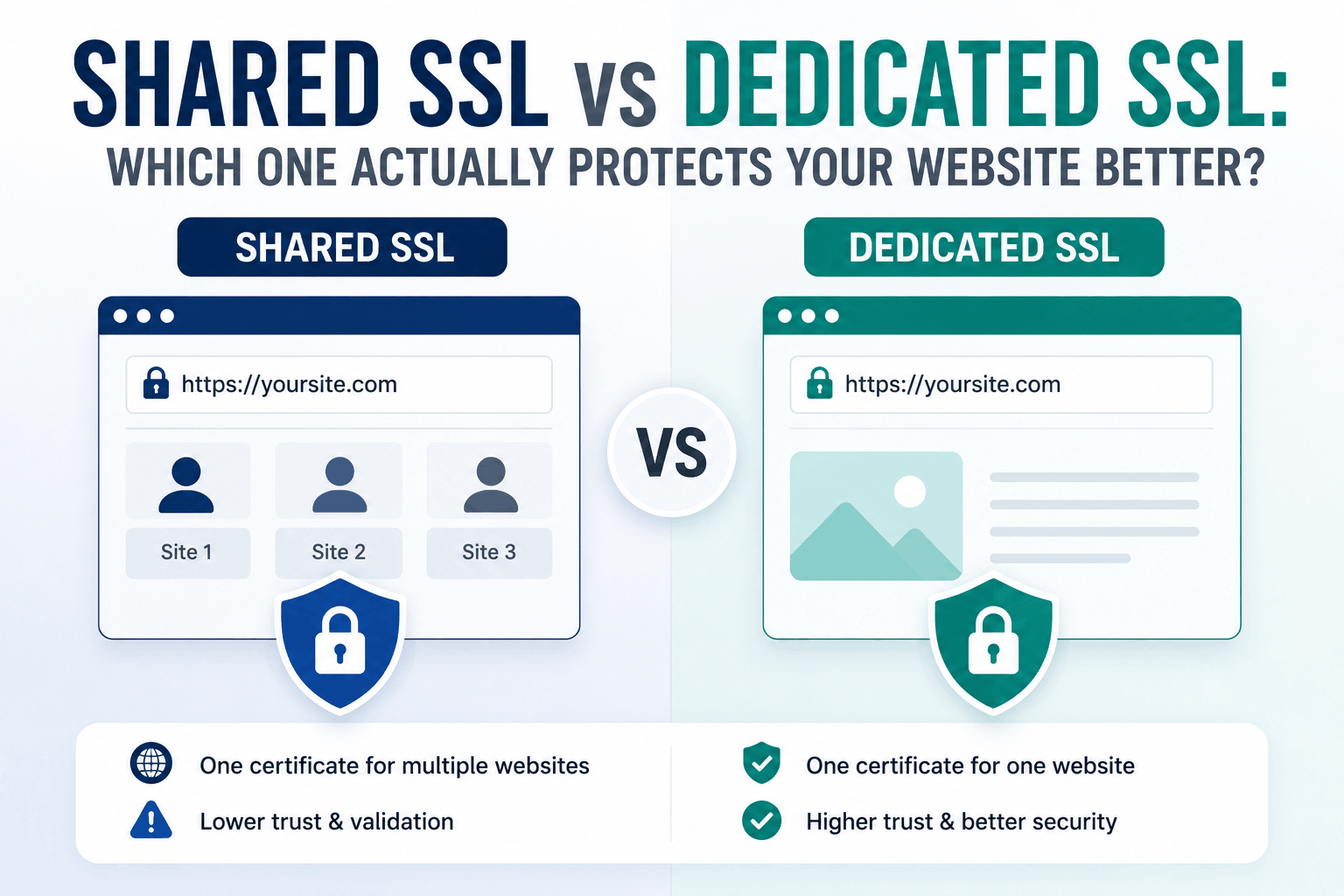
Most articles comparing shared and dedicated SSL certificates were written between 2015 and 2020, and they describe a hosting landscape that has substantially changed. Two developments have made the old shared-versus-dedicated decision largely irrelevant for new deployments: SNI technology, which[…]
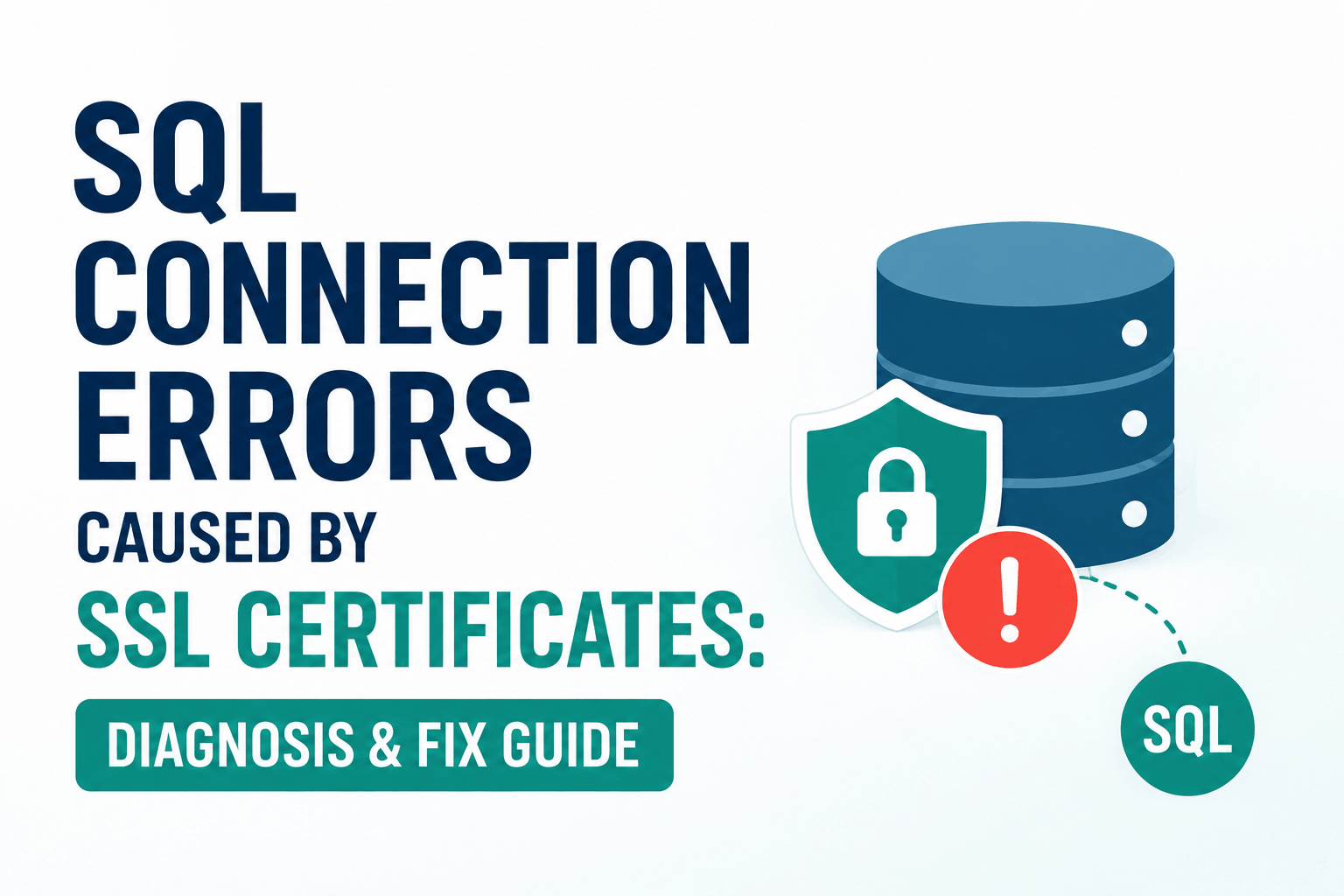
If you recently upgraded SQL Server Management Studio (SSMS) to version 19 or 20, or upgraded an application’s Microsoft Data SqlClient, ODBC Driver 18 or 19, or OLE DB Driver 18 or 19, and started seeing this error, the server[…]
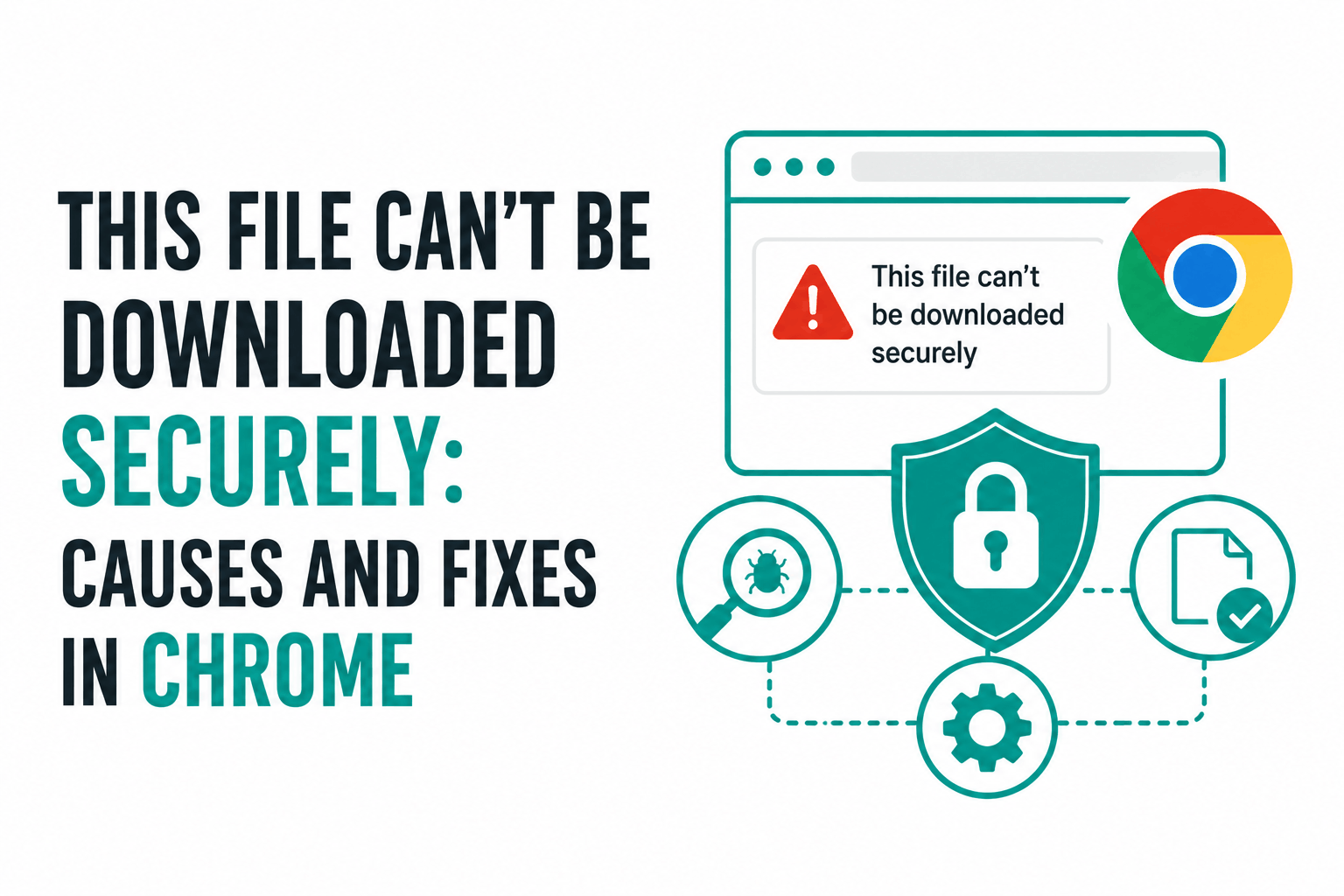
The “This file can’t be downloaded securely” message in Google Chrome appears when the browser detects that a file download is happening over an unsecured connection, or when the download comes from a source Chrome cannot fully trust. Most often,[…]
Wildcard SSL certificates offer genuine operational advantages: one certificate covers all subdomains, one renewal event, one certificate to install across multiple servers. For the right deployment, they are an efficient choice. For the wrong deployment, they create specific, exploitable security[…]
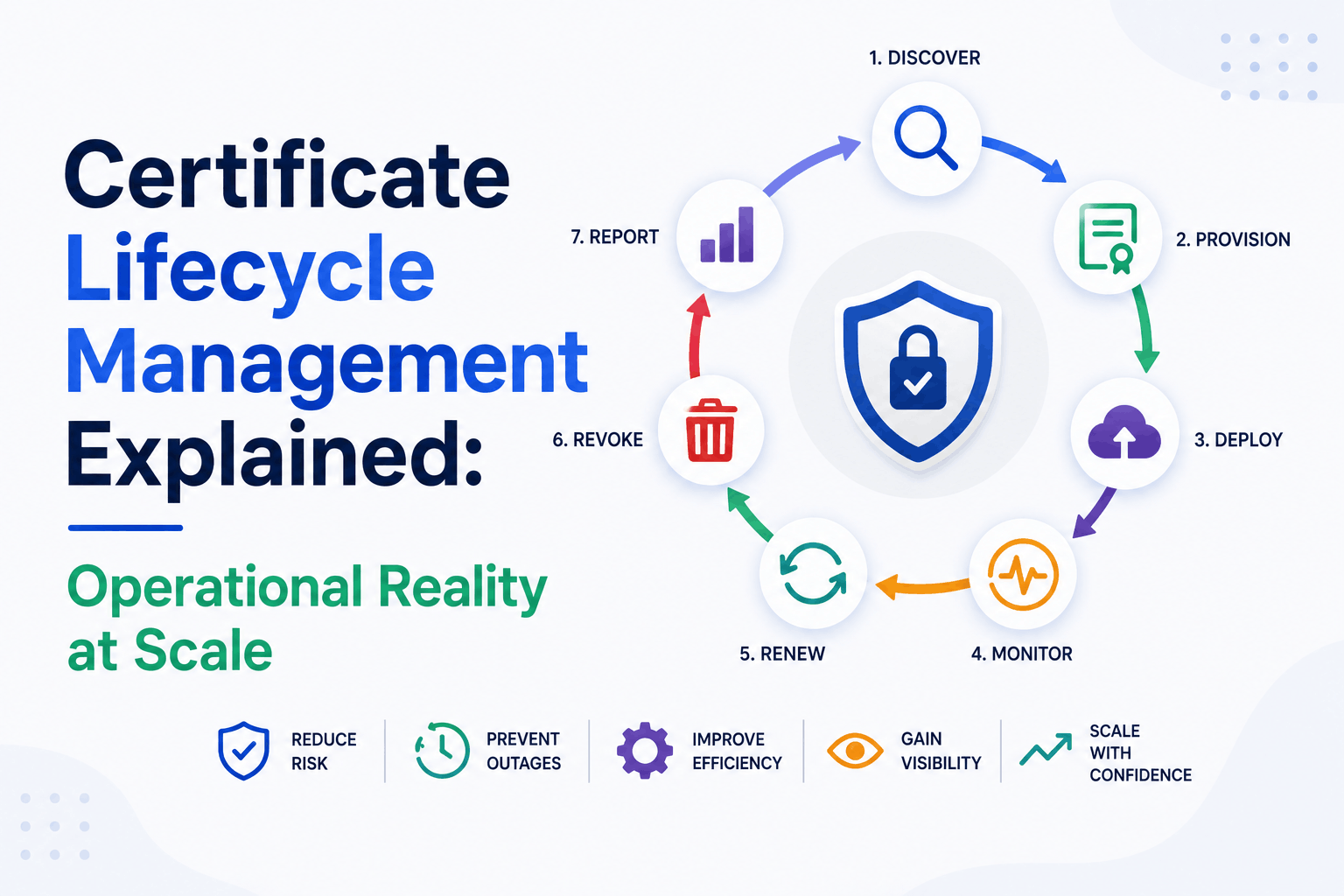
Here is a number worth sitting with. An organization managing 1,000 TLS certificates under the current 200-day validity limit must complete approximately 1,825 certificate renewal operations per year. Under the 47-day limit scheduled for March 2029, that same inventory requires[…]

An SSL certificate has an expiry date: a defined point in the future when it stops being trusted. Expiry handles the normal case. Revocation handles the emergency case: what happens when a certificate must be invalidated before its expiry date[…]
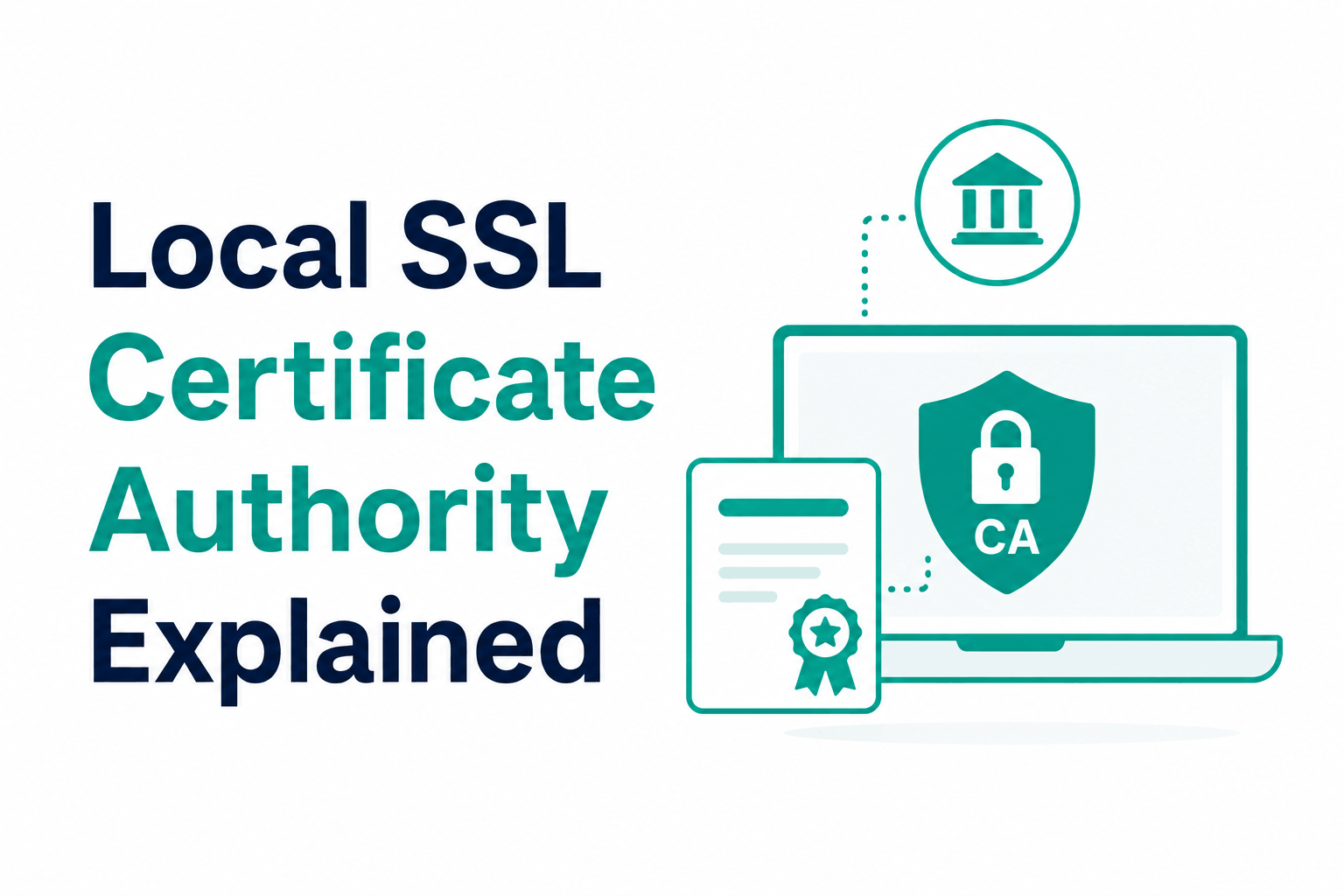
Building a local Certificate Authority gives you complete control over certificate issuance for your development environment: you define the validity period, the subject details, the Subject Alternative Names, the key usage extensions, and the expiry. Every certificate you issue is[…]
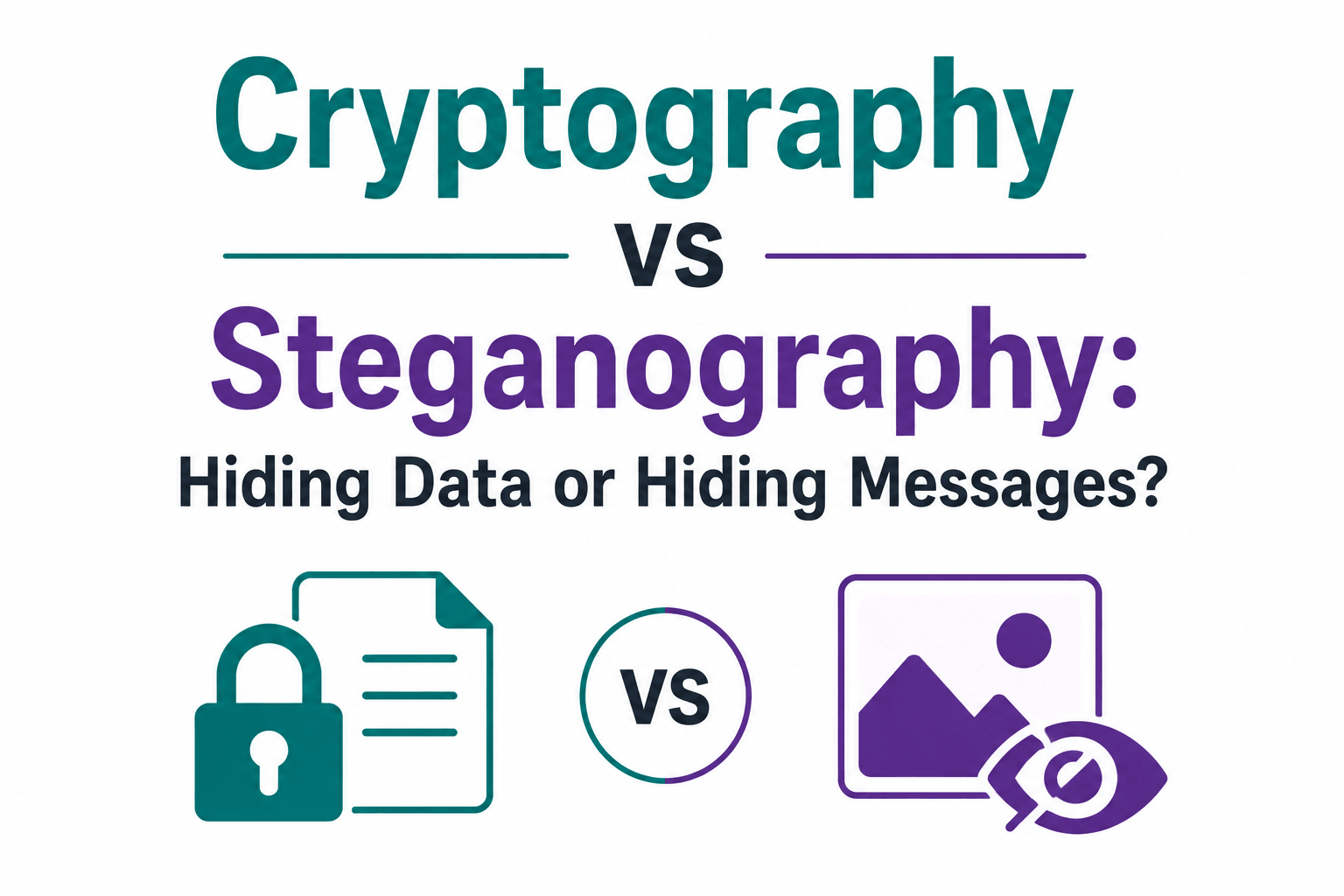
Last updated: Nov 2, 2025 In an age where digital communication and online transactions dominate daily life, the need to protect sensitive information has become more important than ever. From personal messaging apps to corporate databases and military-grade intelligence systems,[…]
ERR_SSL_VERSION_INTERFERENCE stands apart from most Chrome SSL errors because it does not point to a specific certificate problem. It fires when something in the TLS negotiation process is disrupted before Chrome can even evaluate the certificate. The word interference in[…]
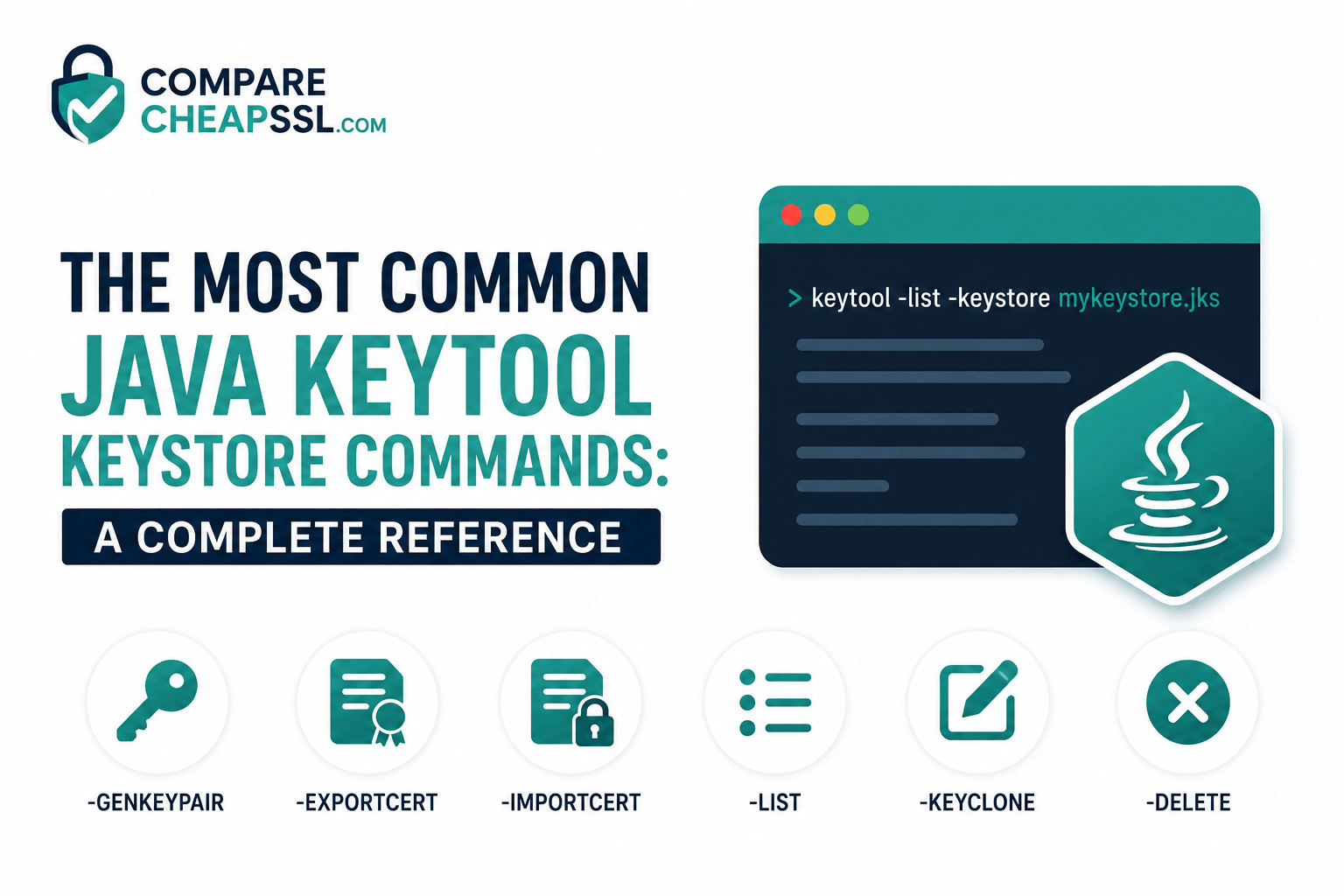
Java Keytool is the JDK’s built-in certificate and key management utility. It manages keystores: container files that hold private keys, certificates, and trusted CA certificates, each identified by an alias. Understanding a small set of keytool commands covers the vast[…]
‘Invalid SSL certificate’ is not an error code. It is how people describe the experience of seeing a browser security warning on an HTTPS site. The actual error code behind that warning — which your browser shows in smaller[…]
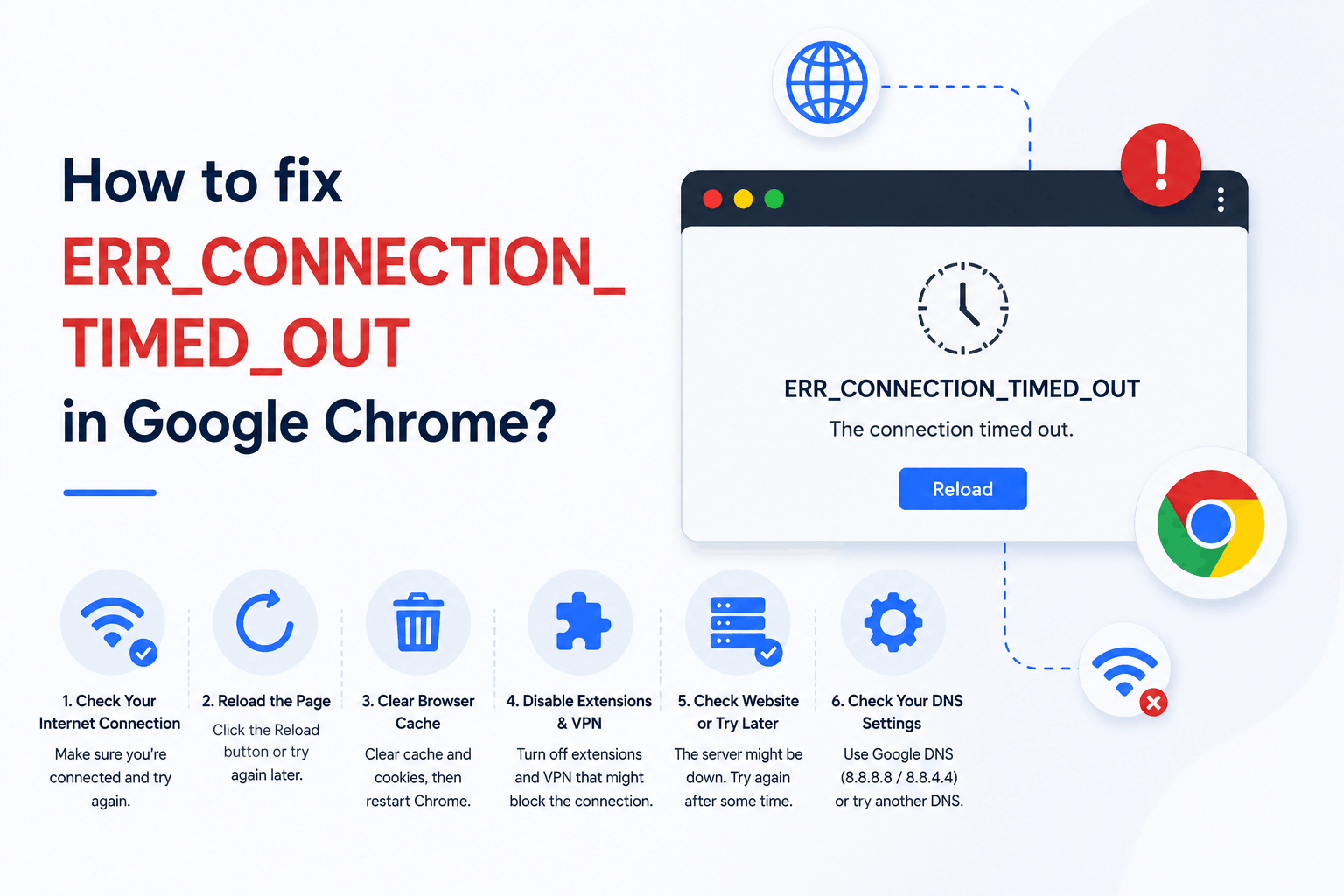
You type a URL, hit Enter, and then nothing happens for about 30 seconds. The spinner keeps turning. Eventually Chrome stops and tells you the site took too long to respond. ERR_CONNECTION_TIMED_OUT. That waiting period is the key to understanding[…]
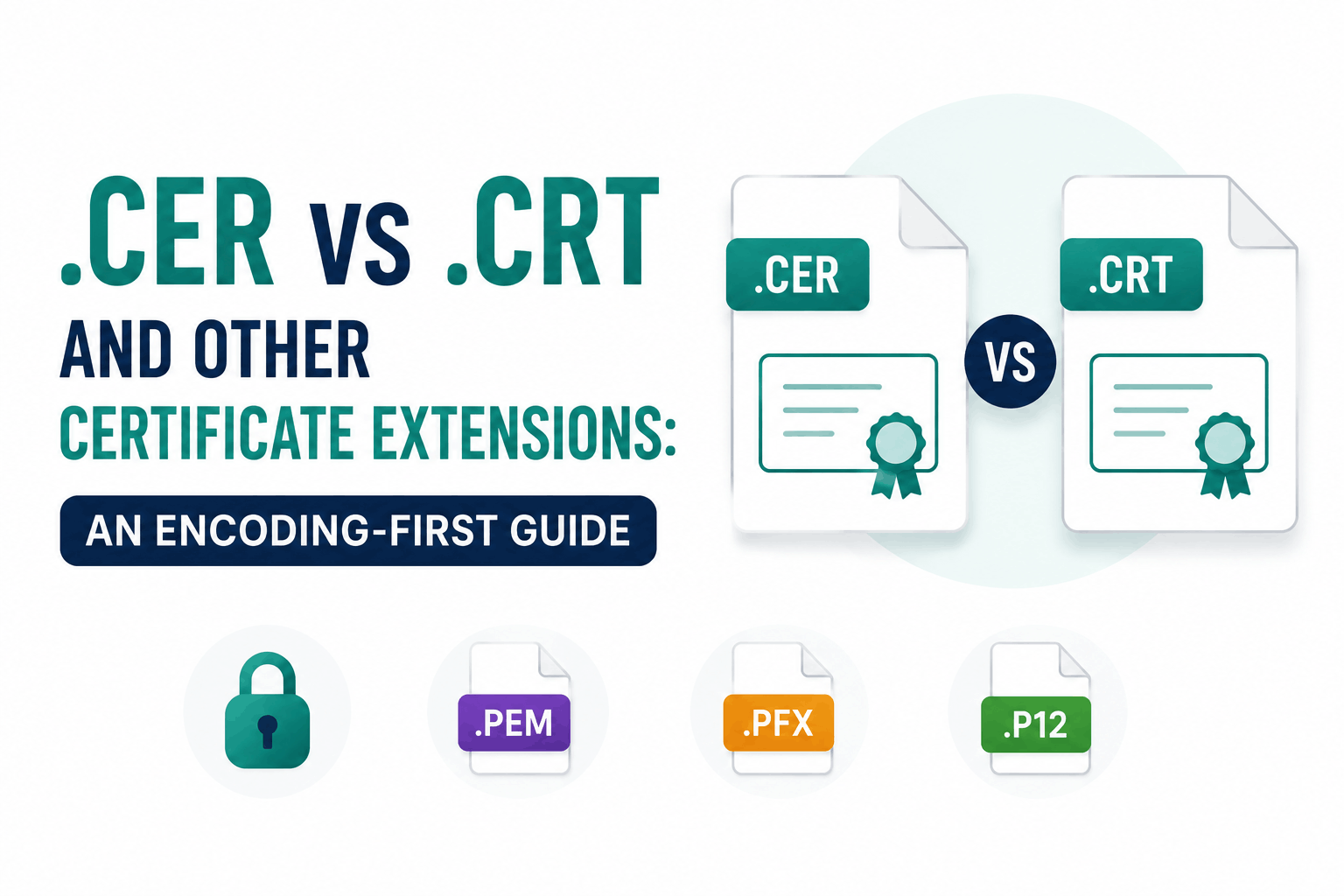
Most guides to certificate file formats are organized the wrong way. They list the extensions (.cer, .crt, .pem, .der, .pfx) and describe each one as if the extension determined the format. It does not. The foundational truth about certificate files:[…]
The roots of the SMS spoofing are of earlier centuries but it becomes a problem which can be seen in the 21st century. The technique that allows changing the information of the sender on text sent via the short message[…]
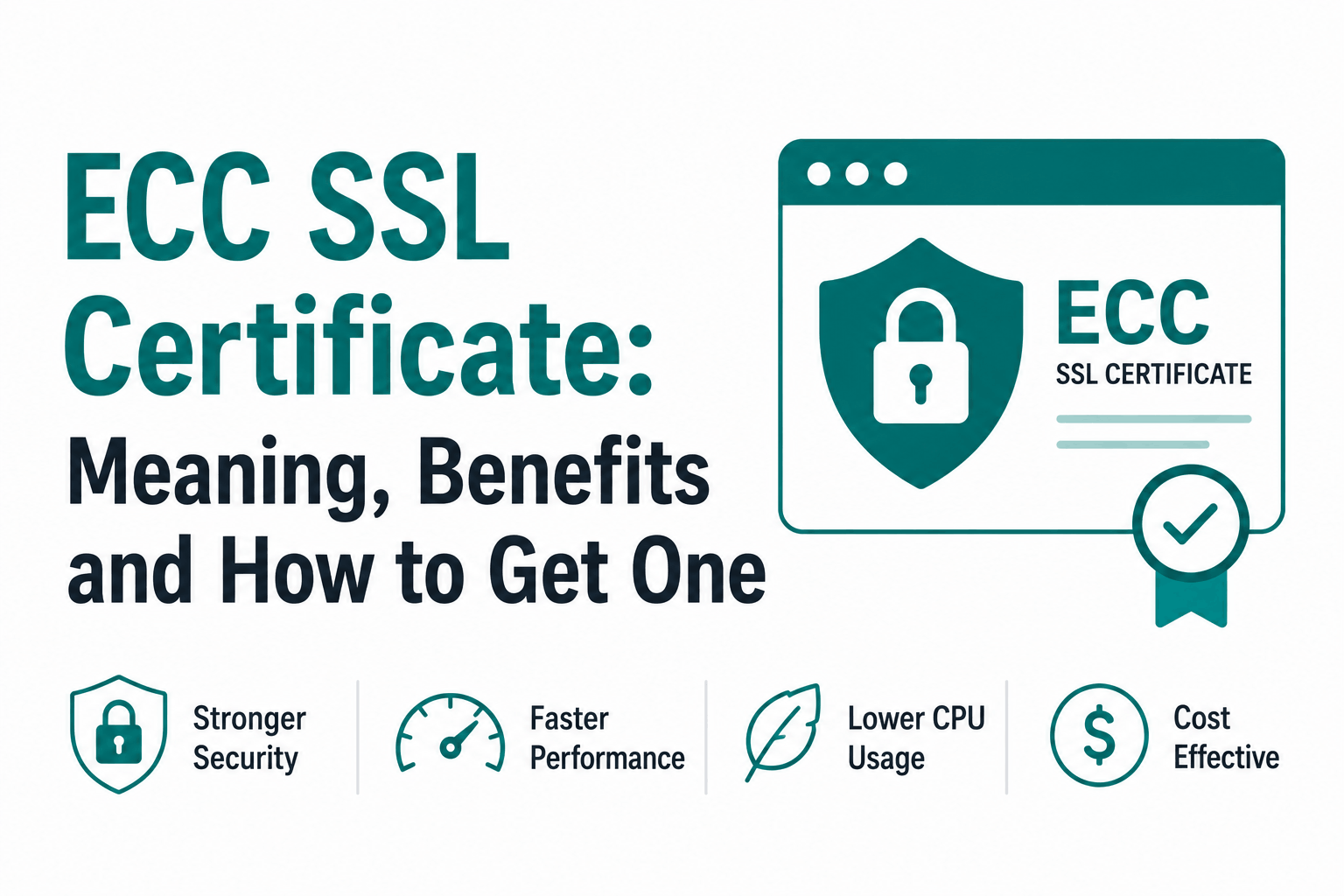
Last updated: Oct 31, 2025 Online security is no longer optional. As cyber attacks evolve and data privacy becomes a priority for both personal and enterprise users, the methods of securing web traffic must also advance. That’s where ECC SSL[…]
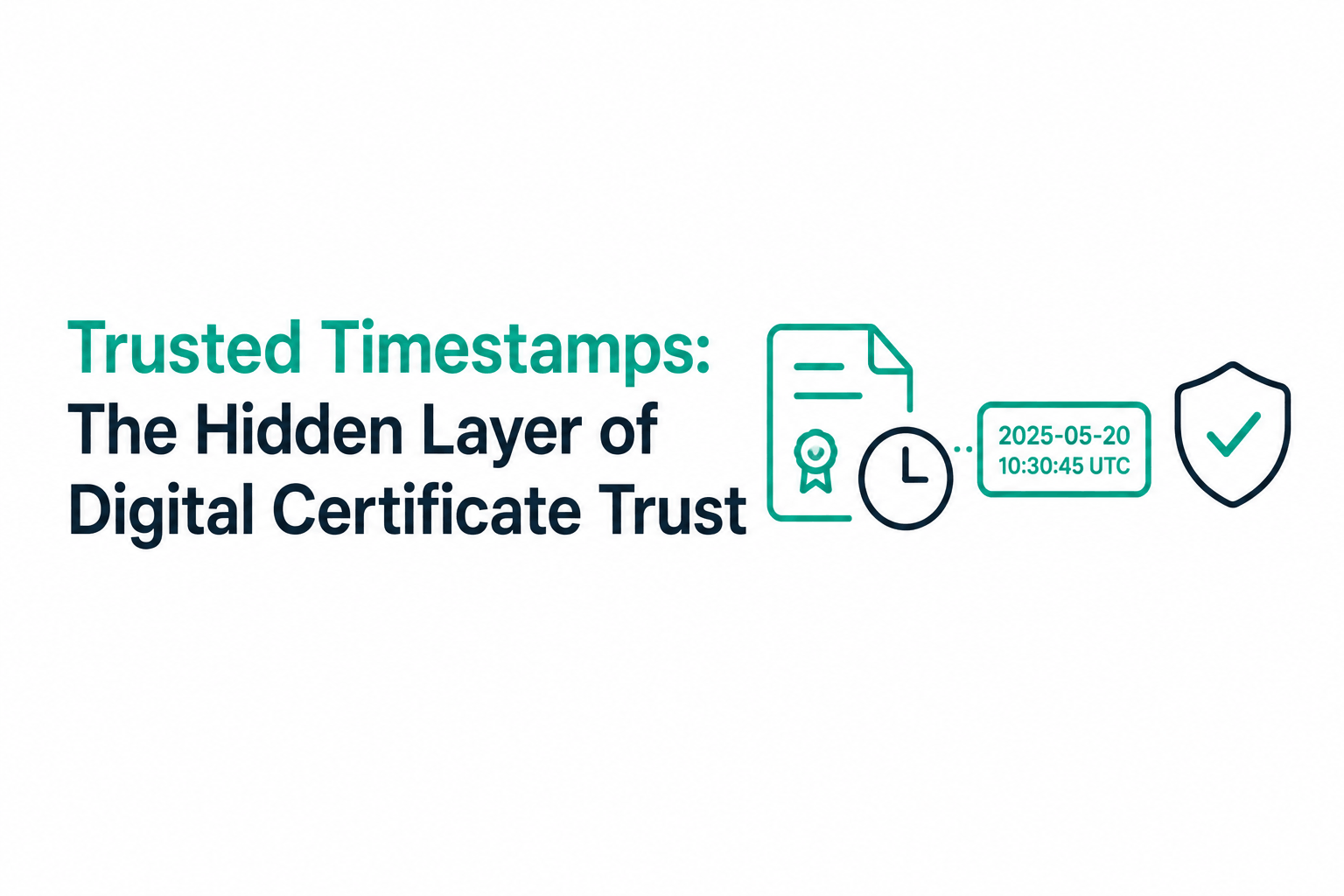
Digital signatures prove who signed something and that the content has not changed. They do not, by themselves, prove when the signing occurred. The signing certificate’s own validity period tells you when the certificate was active, but it does not[…]
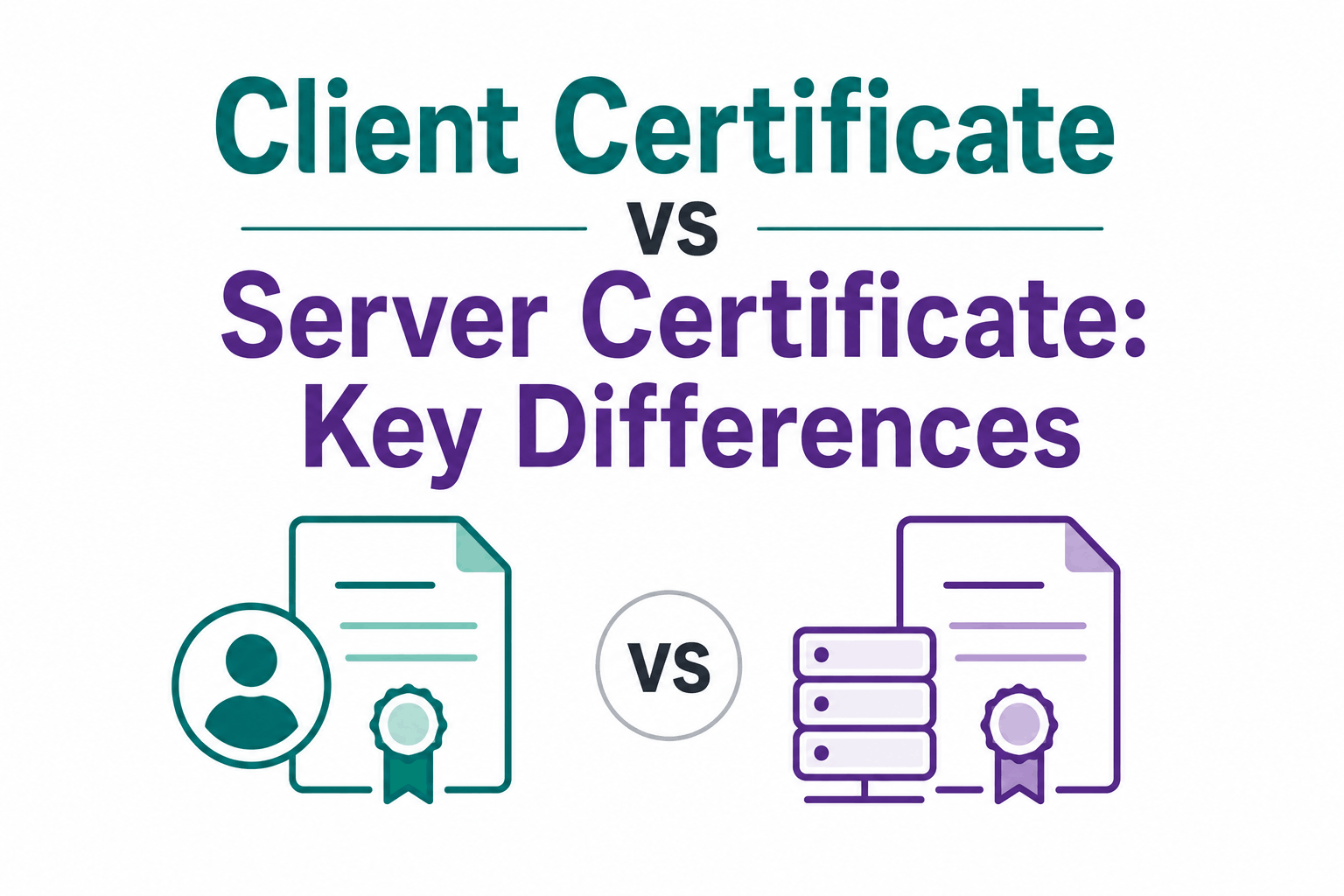
Last updated: Nov 2, 2025 The growing emphasis on digital security has led to widespread adoption of SSL/TLS certificates on the internet. These certificates play a foundational role in how devices, systems, services, and users communicate securely across networks—especially through[…]
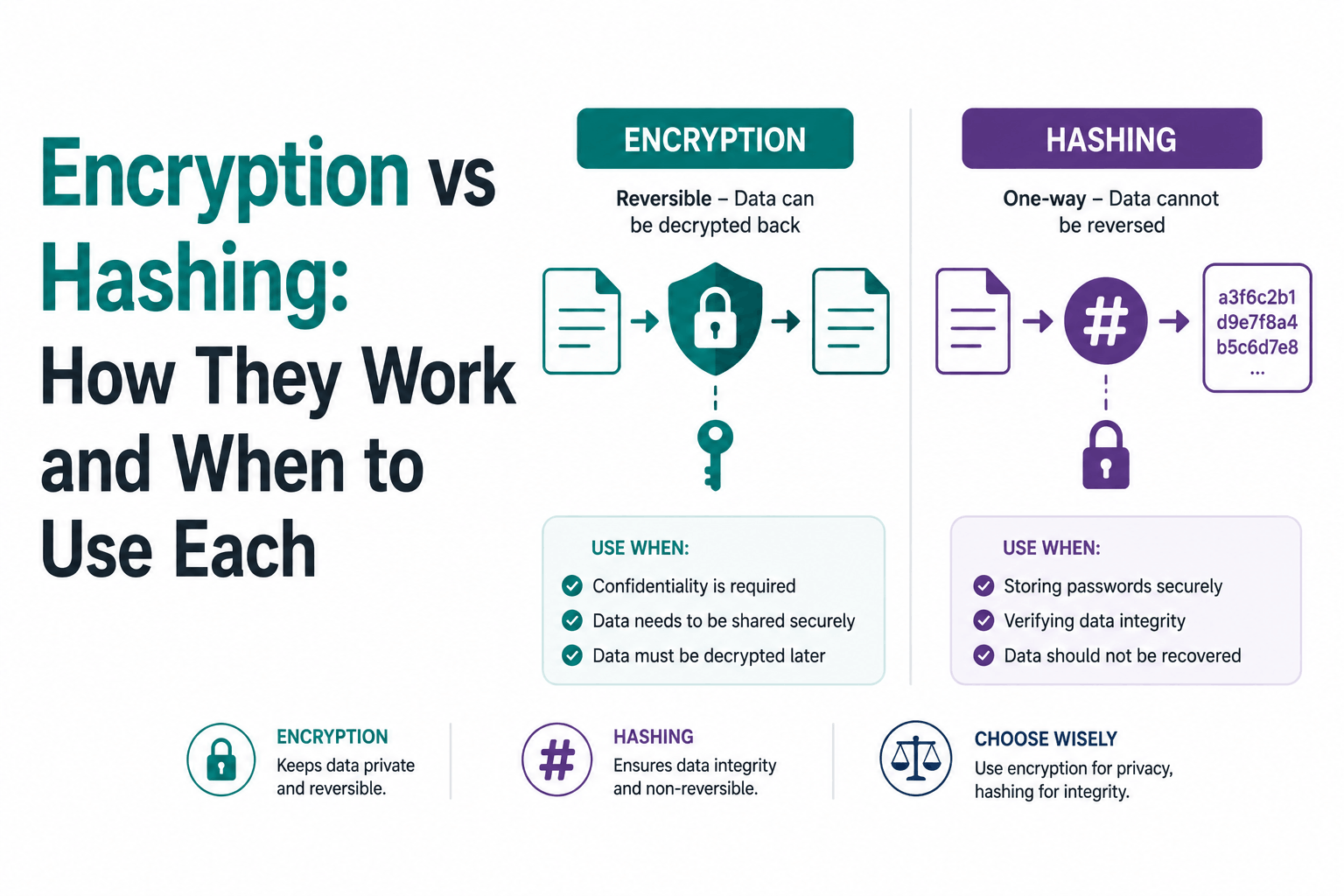
Hashing and encryption are both cryptographic operations, but they solve different problems and cannot be substituted for each other. Confusing them is one of the most consequential security mistakes developers make, because the wrong choice can expose passwords to brute-force[…]
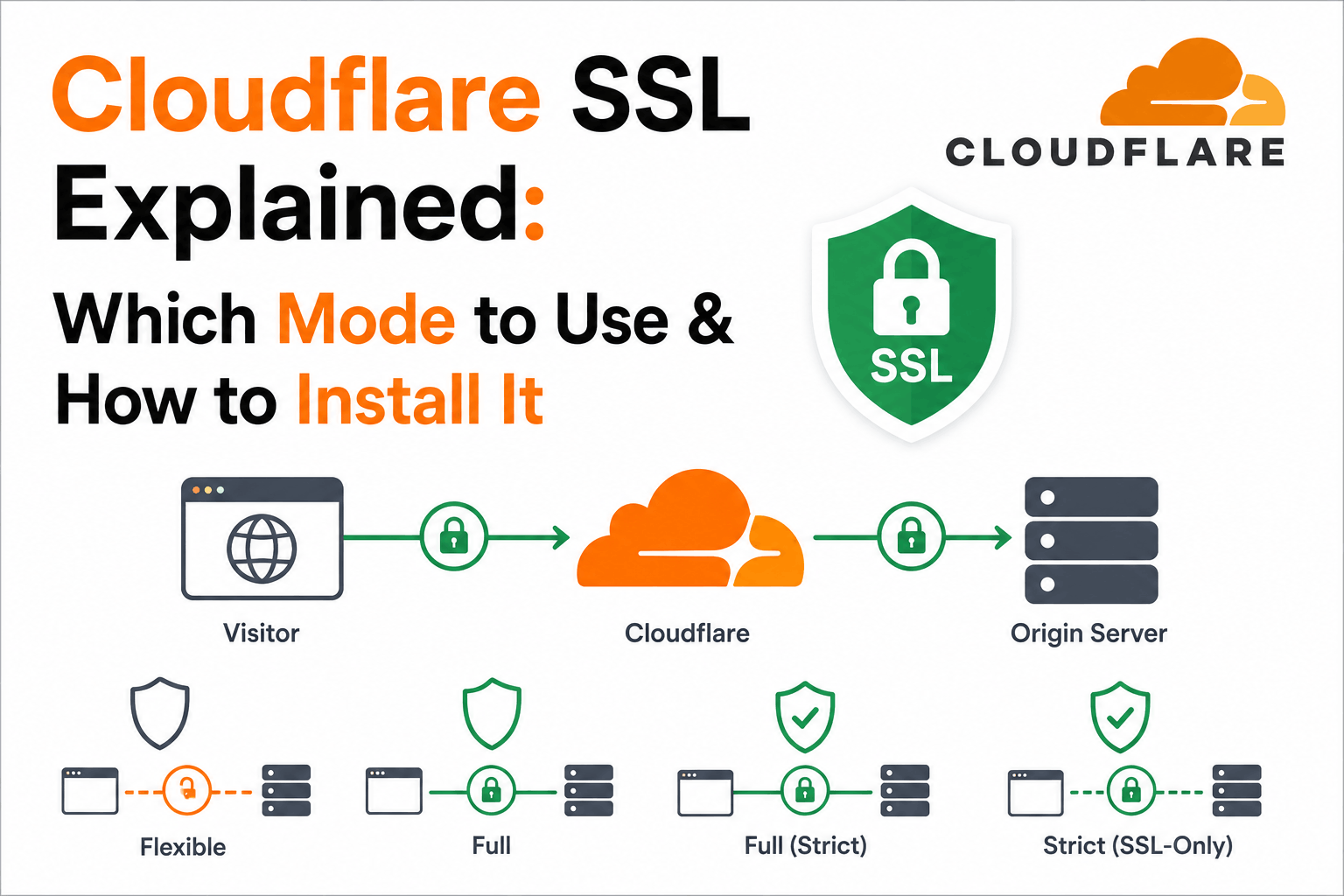
When you add your domain to Cloudflare, Cloudflare sits between your visitors and your origin server. Every HTTPS connection actually involves two separate TLS sessions: one between the visitor’s browser and Cloudflare’s edge, and one between Cloudflare and your[…]
Last updated: Nov 2, 2025 Email remains one of the most widely used communication tools across both personal and professional settings. Yet despite its convenience, standard email transmission is not inherently secure. Without encryption, the content of your emails —[…]
Linux provides several tools for encrypting files. The right tool depends on your specific situation: whether you need to decrypt on the same machine or send the encrypted file to someone else, whether you want passphrase-based or key-based encryption, and[…]
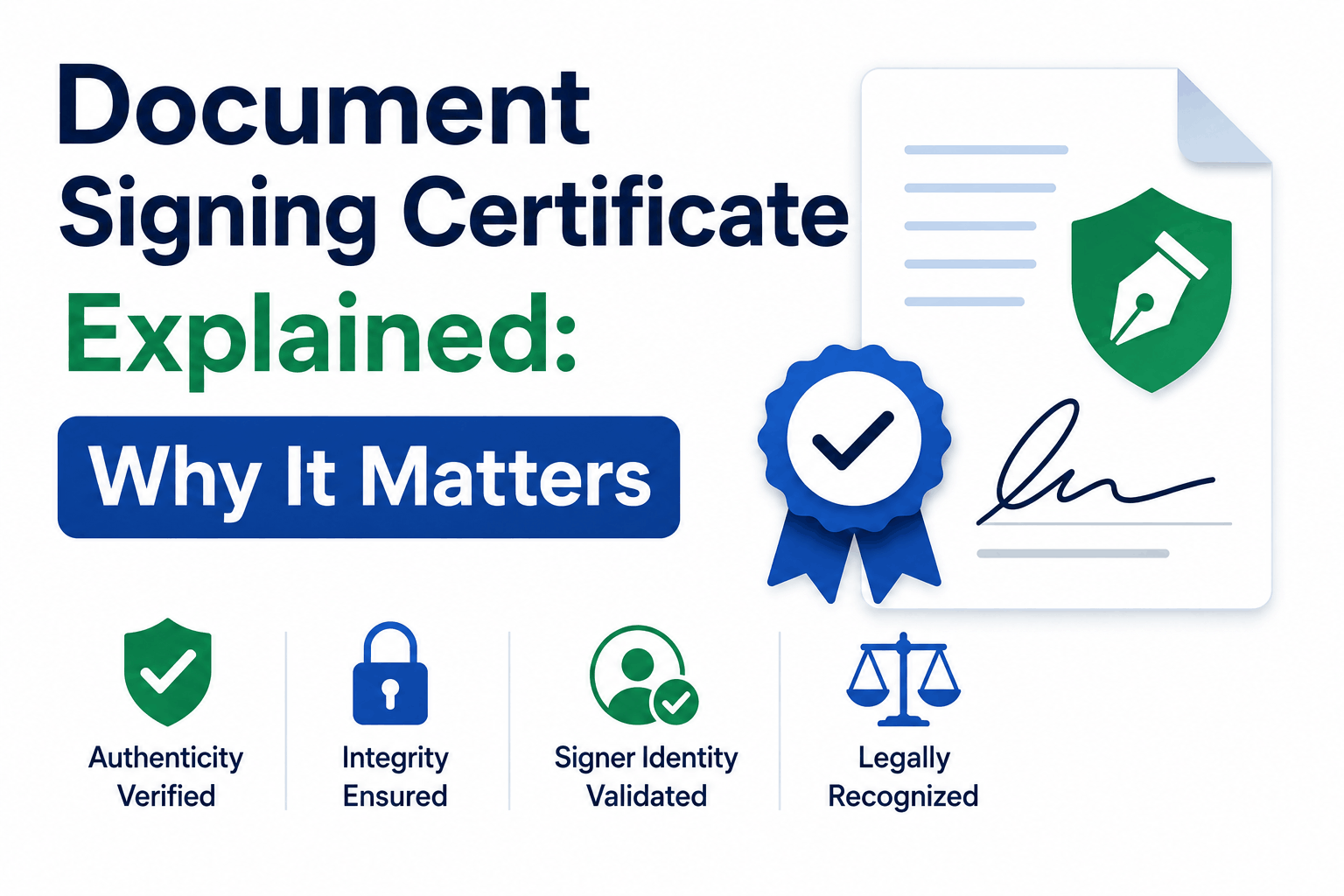
A document signing certificate is a digital certificate issued by a Certificate Authority that enables an individual or organization to apply a cryptographically verifiable digital signature to electronic documents. When a document is signed with a document signing certificate, recipients[…]
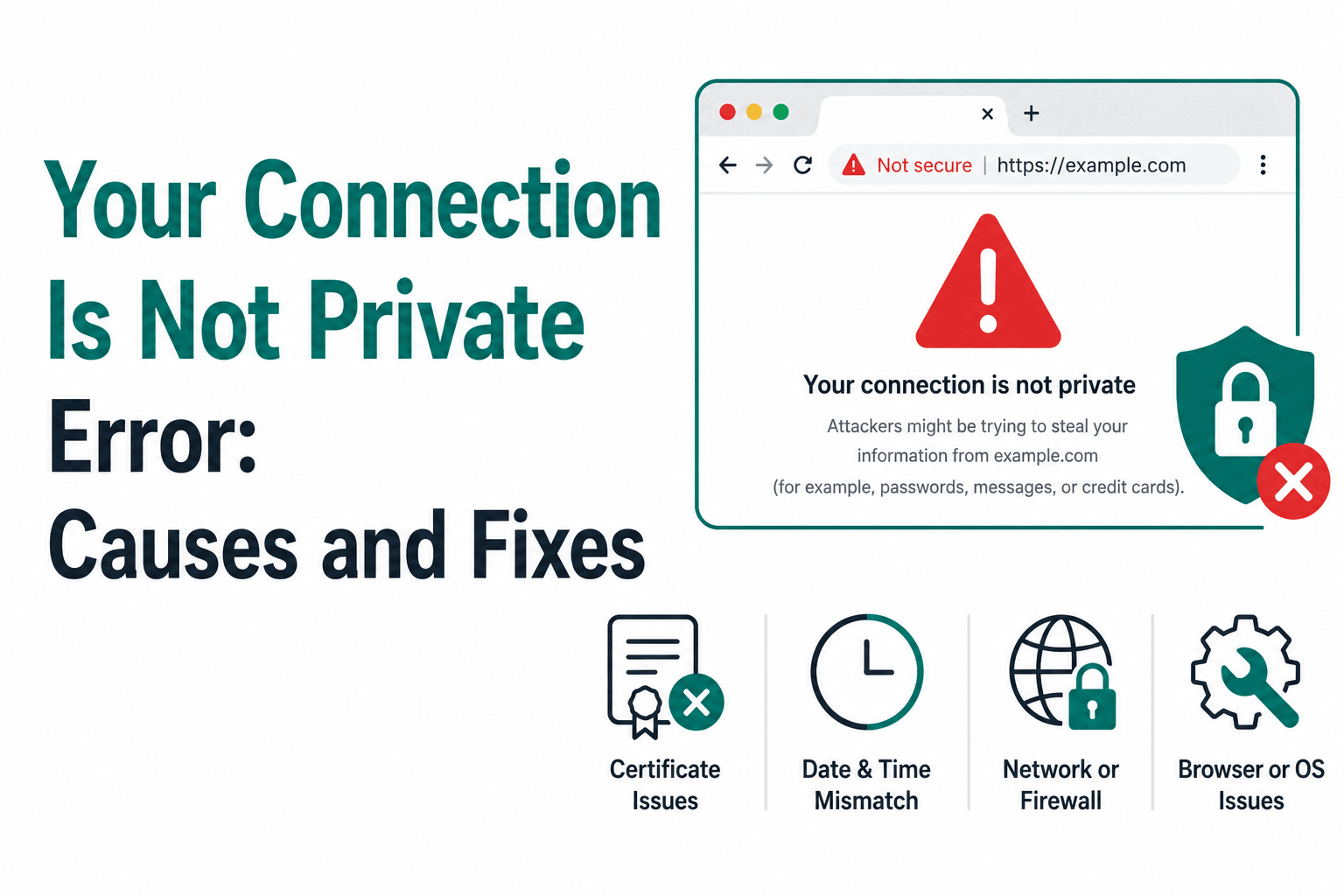
Last updated: Nov 2, 2025 When you see the message “Your connection is not private” in a browser like Chrome, Safari, Edge, or Firefox, it means the browser can’t verify that the website you’re trying to visit is secure. In[…]
Last updated: Dec 22, 2024
Last updated: Oct 31, 2025 Modern websites rely on SSL/TLS certificates to secure connections and build trust with users. But when a browser like Google Chrome detects an issue with a certificate, it can block access completely—even if the website[…]
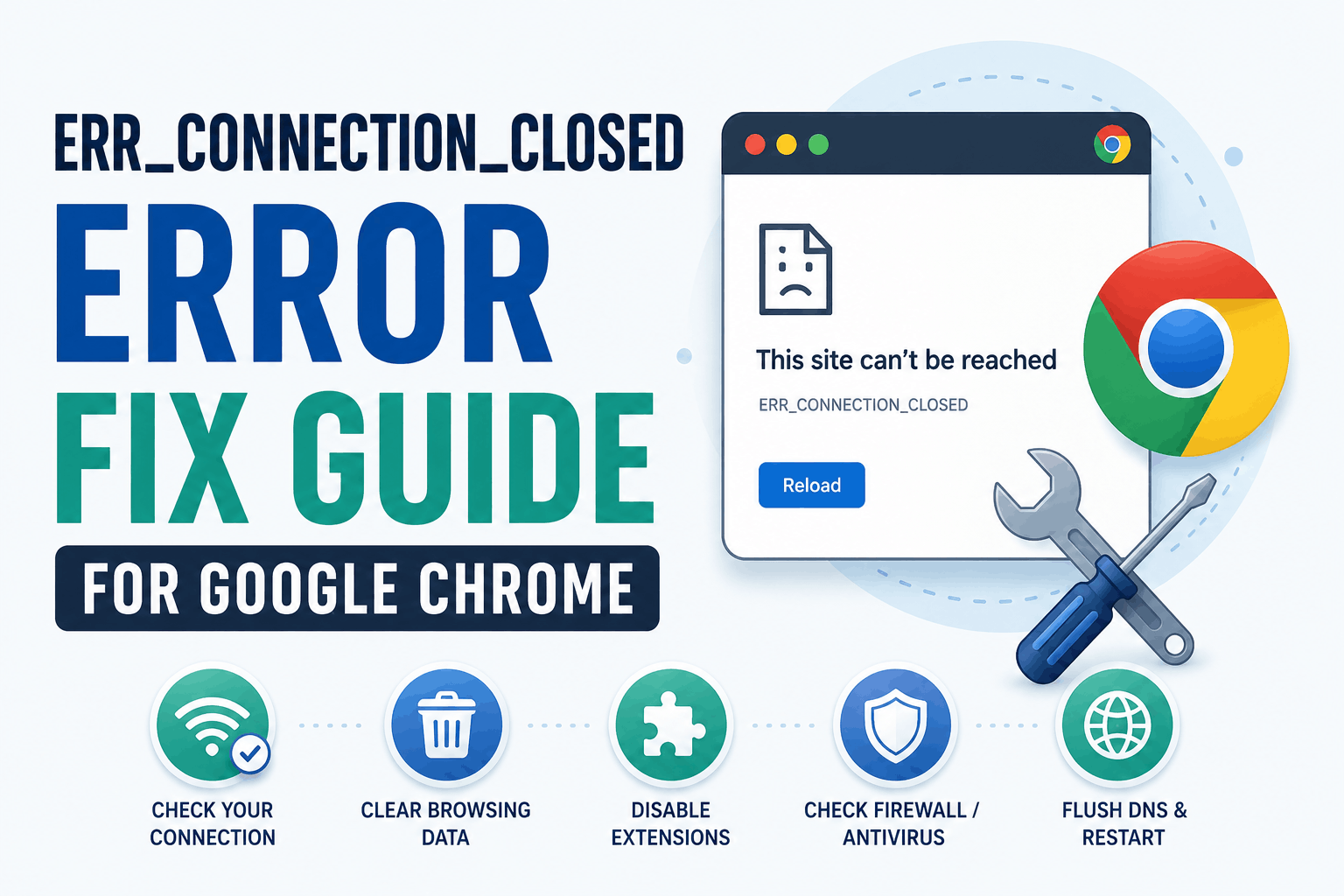
ERR_CONNECTION_CLOSED means Chrome established a connection to the server but the connection was terminated before the server sent any HTTP response. The connection reached the server but came back empty. Chrome displays this as ‘This site can’t be reached’ with[…]
Last updated: Nov 2, 2025 When you visit a secure website in your browser or connect to an API as a developer, an important process takes place behind the scenes known as the SSL/TLS handshake. This handshake is responsible for[…]
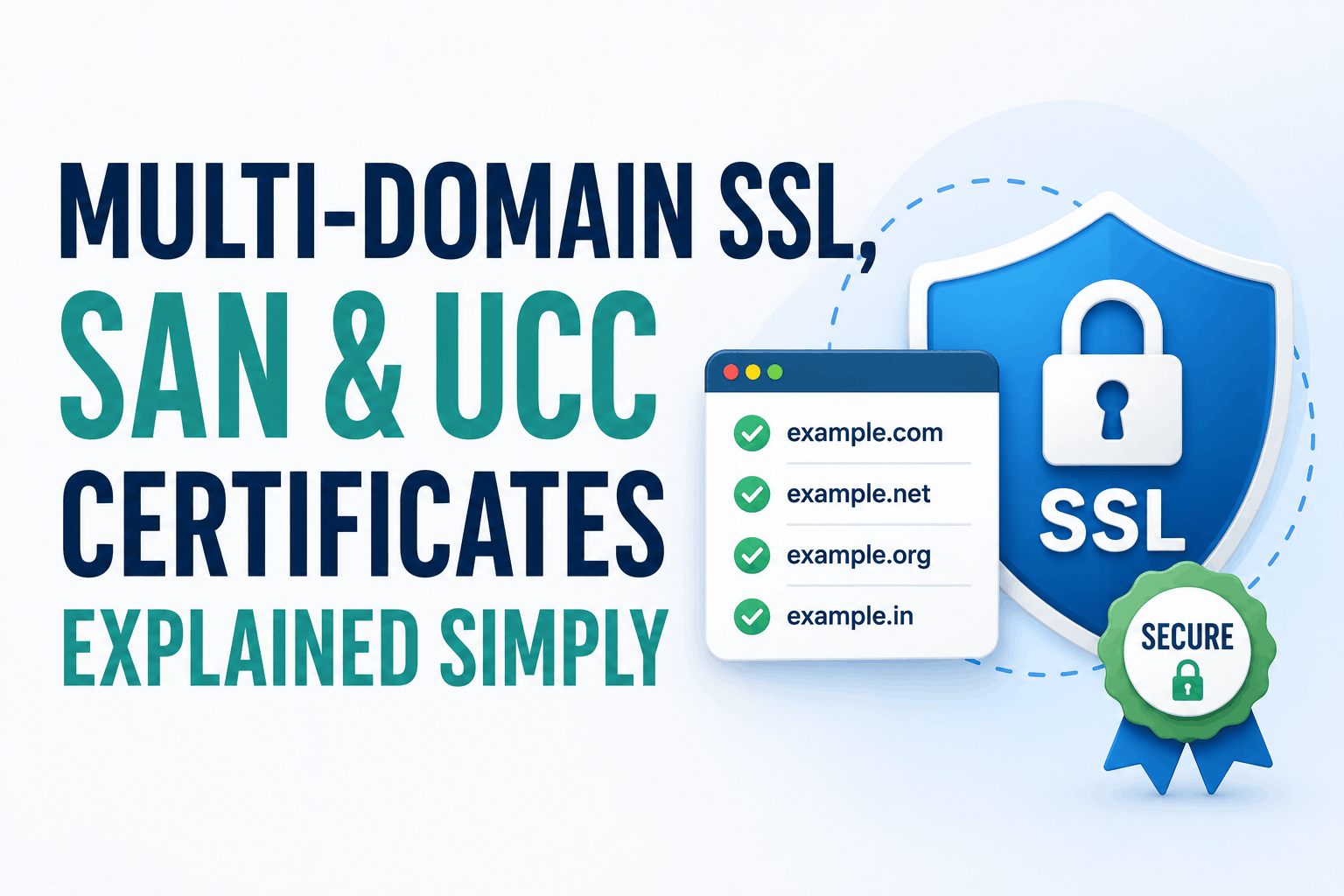
Three Names, One Certificate: Resolving the Terminology Multi-domain SSL certificate, SAN SSL certificate, and Unified Communications Certificate (UCC) are three names for the same product type. They describe a TLS certificate that can secure multiple fully qualified domain names (FQDNs),[…]
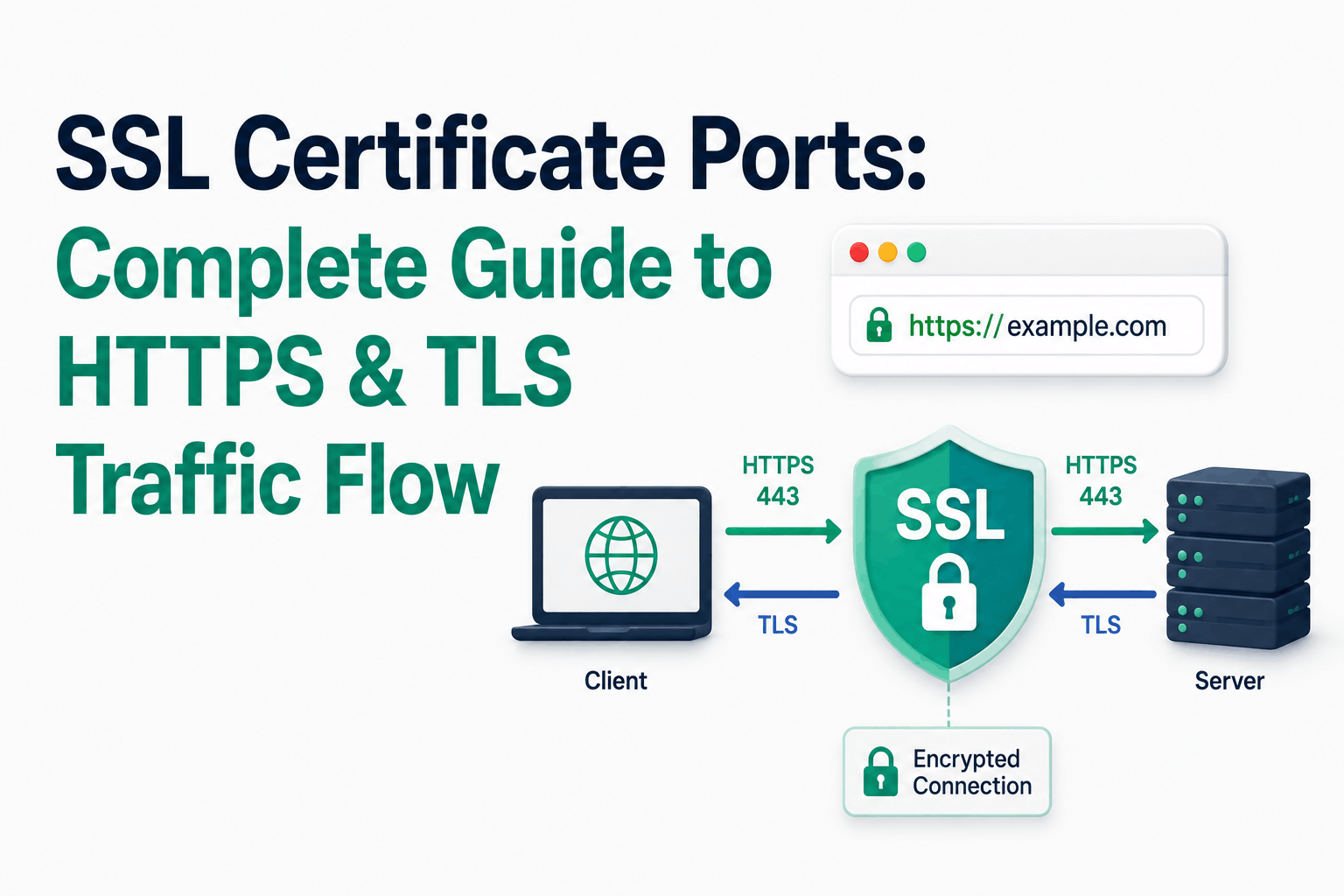
The phrase ‘SSL certificate port’ is imprecise but meaningful. An SSL certificate is not bound to a specific port: it is bound to a service identity (a domain name or IP address). TLS encryption can run on any TCP port,[…]
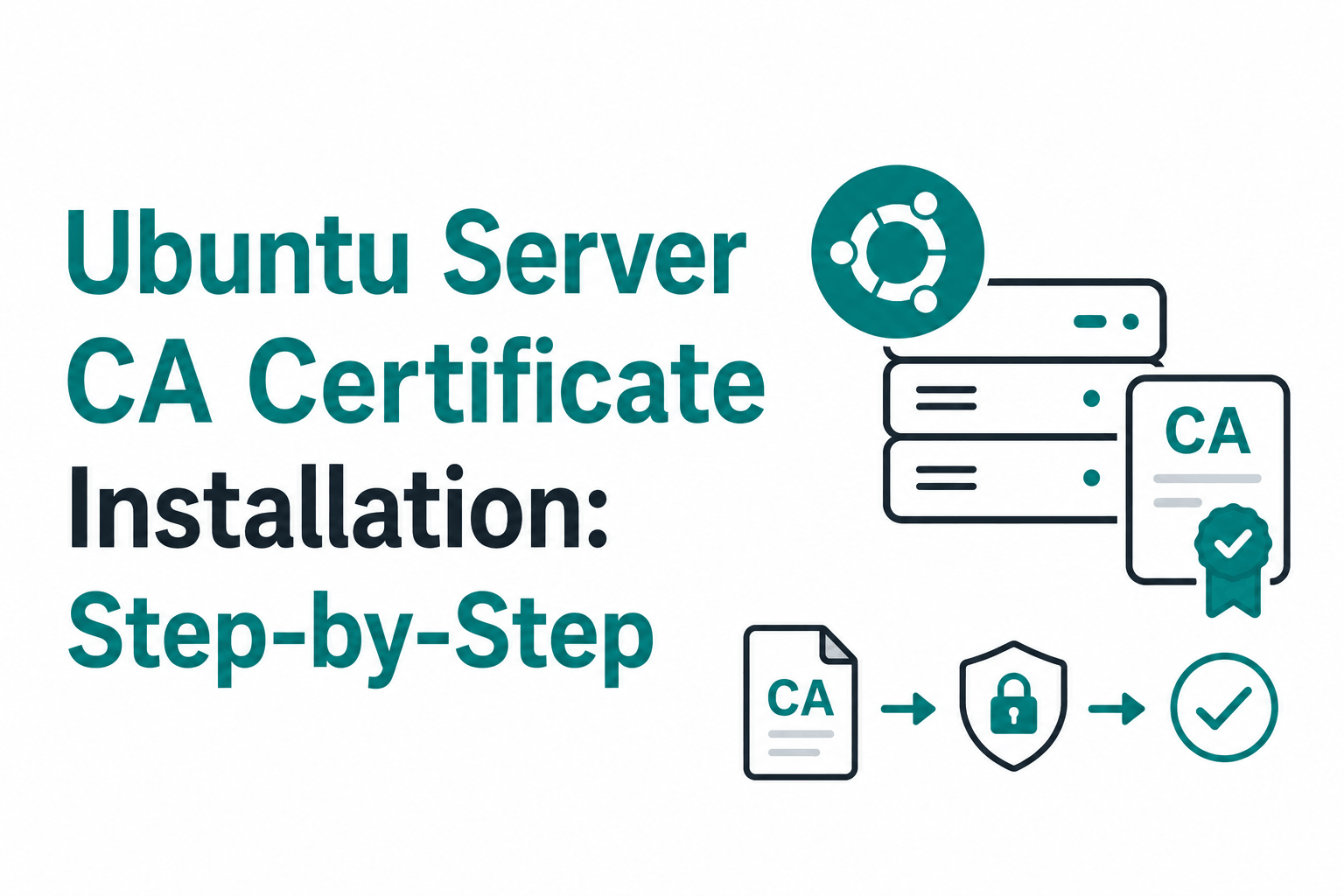
Last updated: Oct 31, 2025 Securing your Ubuntu server with SSL/TLS certificates is one of the most important steps you can take to protect data transmission, maintain user trust, and comply with security standards. Whether you’re running a public-facing website,[…]
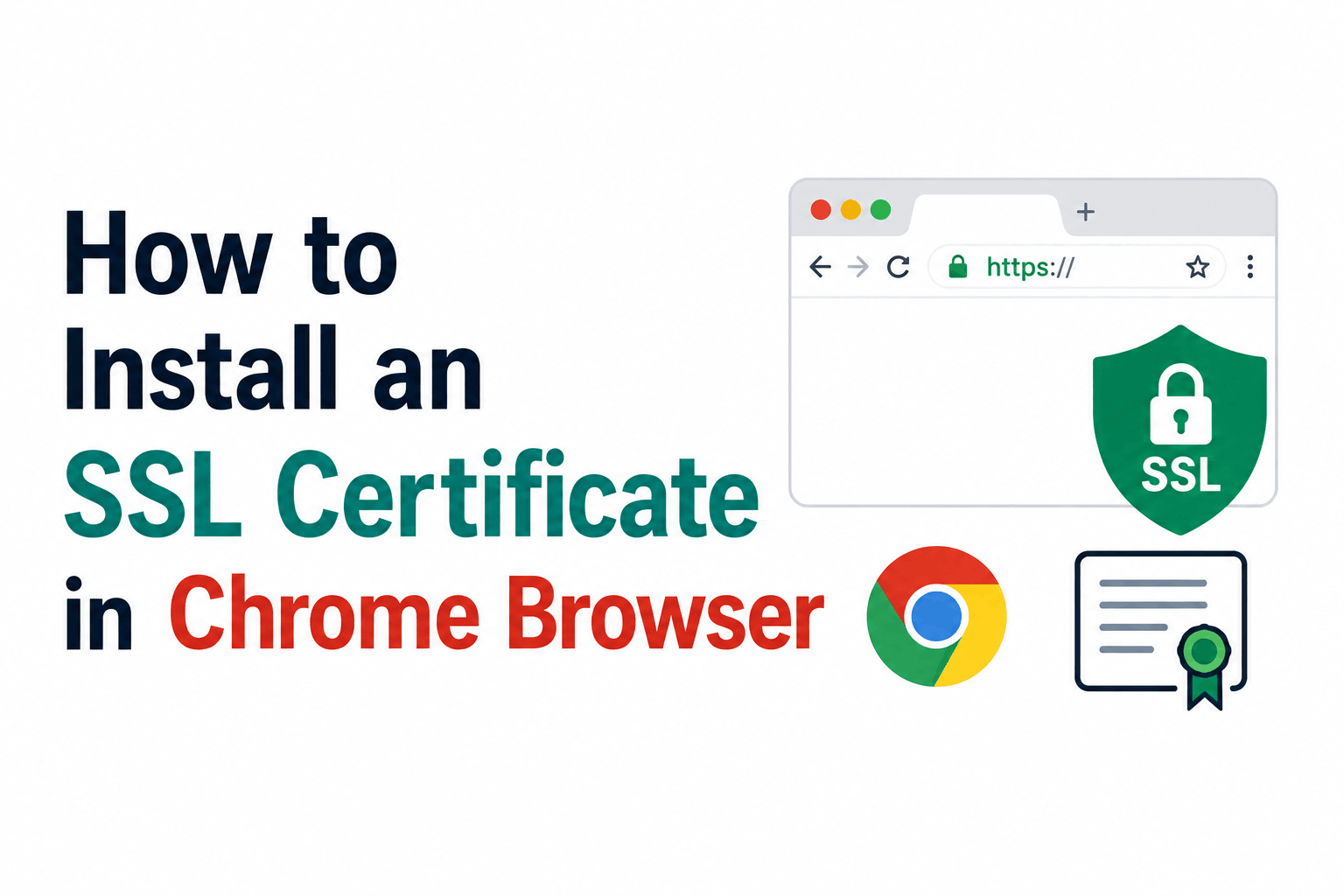
Last updated: Oct 26, 2025 When most people search “How to install SSL certificate on Chrome browser”, they are usually trying to make Chrome trust a certificate locally — not install one on a web server. Chrome can show certificate[…]
An SSL certificate is essential for a Magento 2 store because an ecommerce website handles considerably more sensitive information than an ordinary content website. Customer accounts, passwords, checkout details, addresses, payment information, session cookies, and communication between the browser and[…]
Difference Between 128-Bit SSL Encryption Vs 256-Bit SSL Encryption SSL Certificates are a sort of bit and encryption process. The primary requirement of you to understand is that the difference between 128-Bit-Encryption and 256-Bit-Encryption. This blog binds you into all[…]

Pick up any SSL certificate today and you will find SHA-256 as the signature algorithm. Check an old certificate from before 2016 and you might still find SHA-1. Open the NIST standards library and you will find SHA-224, SHA-384, SHA-512,[…]
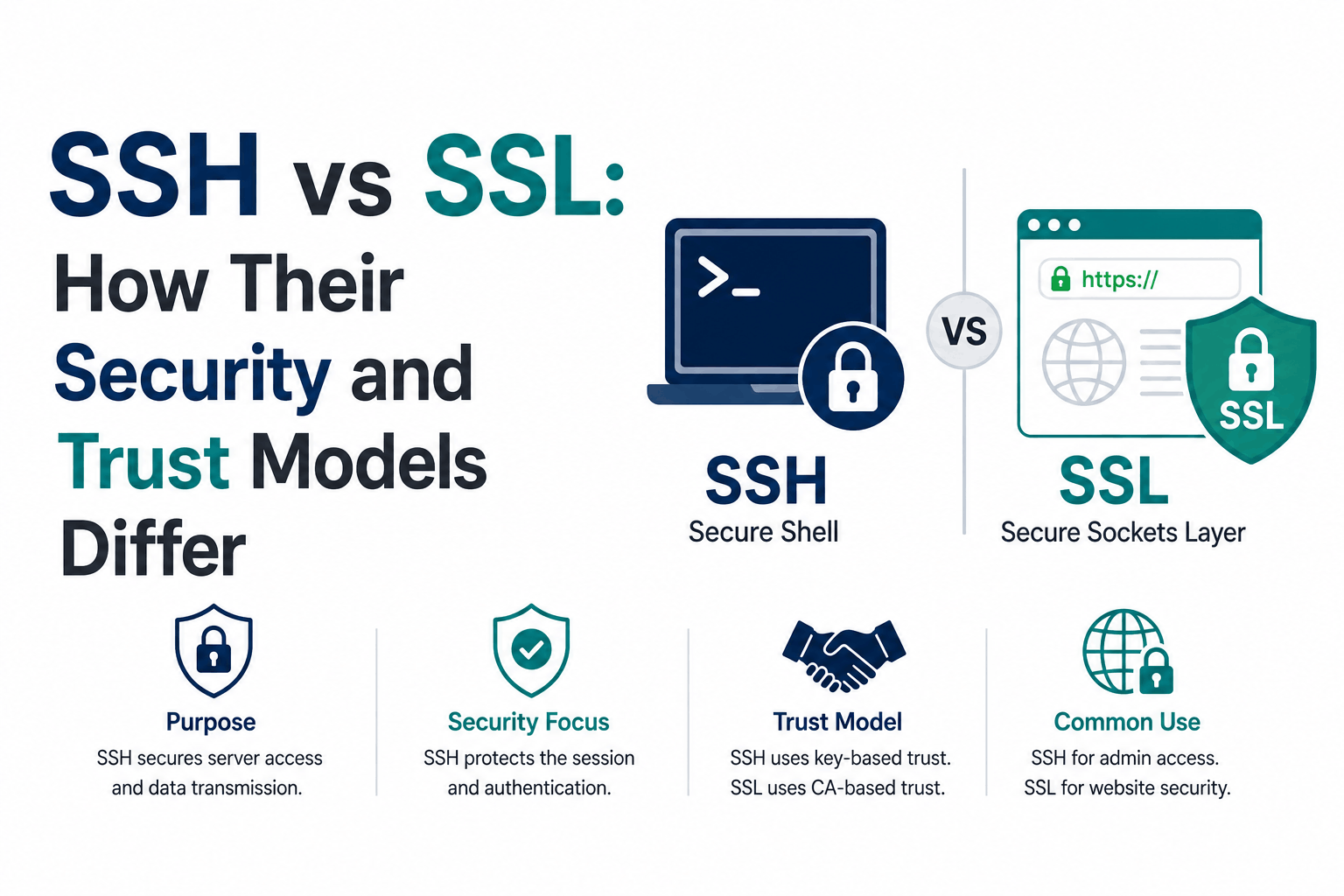
SSH and SSL are both cryptographic protocols that provide authenticated, encrypted connections. They share the same underlying mathematics: asymmetric key pairs for authentication, symmetric encryption for data, and hash-based message authentication for integrity. A developer working in a Linux terminal[…]
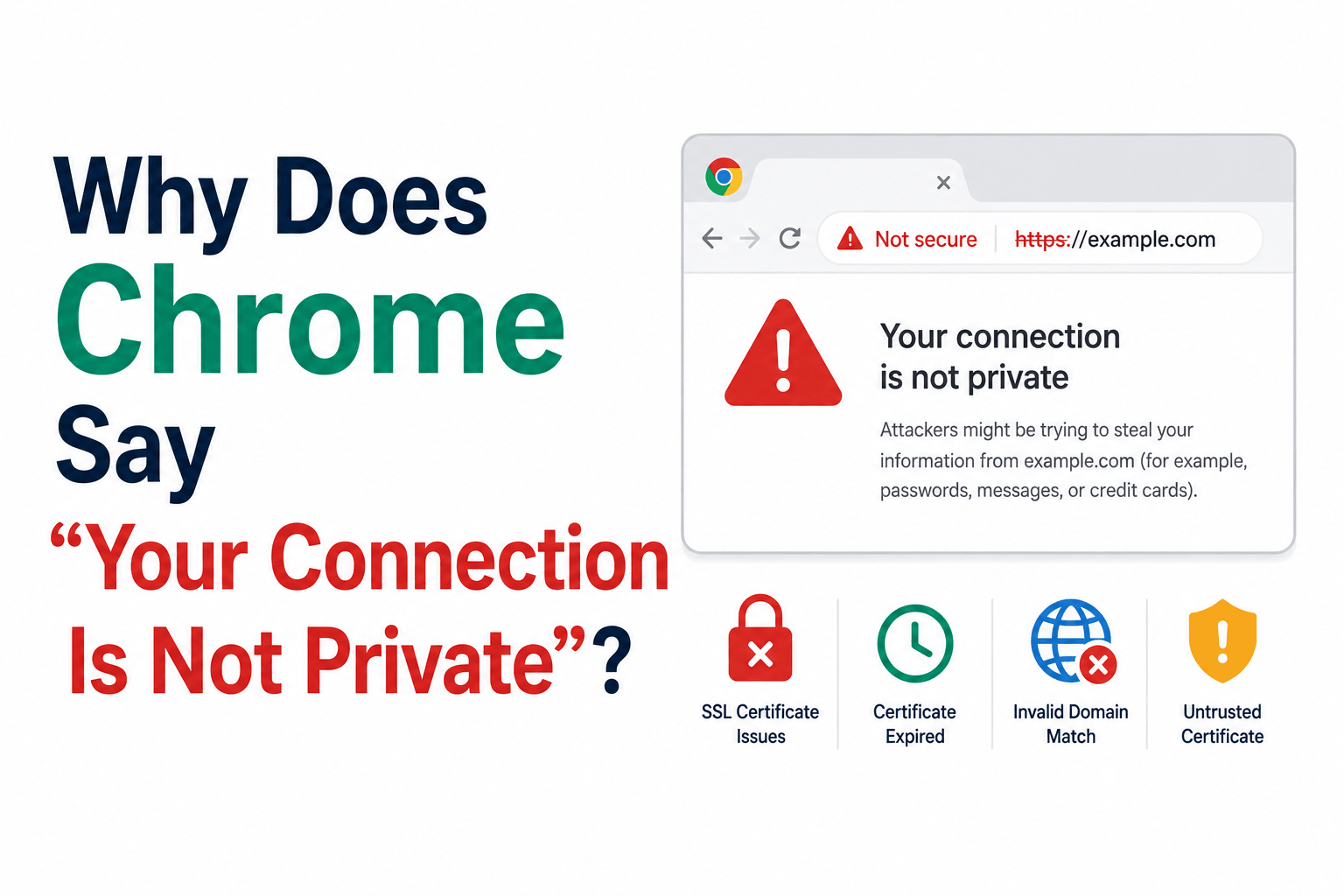
The vast majority of the web site proprietors go over this message-“Your site isn’t private”. Have you additionally run over this warning? If that is the case, you must actualize steps to evacuate it and that too fast. Let me[…]

Moving a website from HTTP to HTTPS is an important security upgrade, but installing an SSL certificate is only one part of the process. A website can have a valid certificate, display an HTTPS URL, and still contain resources that[…]
Before applying any fix, apply one diagnostic test. Open the same URL in Chrome on the same device. Two possible outcomes determine everything: Chrome also shows an error: the problem is the certificate itself, the server’s SSL configuration, or a[…]
Last updated: Nov 2, 2025 SSL certificates are vital for securing data in transit and establishing trust on the web. But what many website owners and IT teams overlook is this: SSL certificates expire — and when they do, it[…]
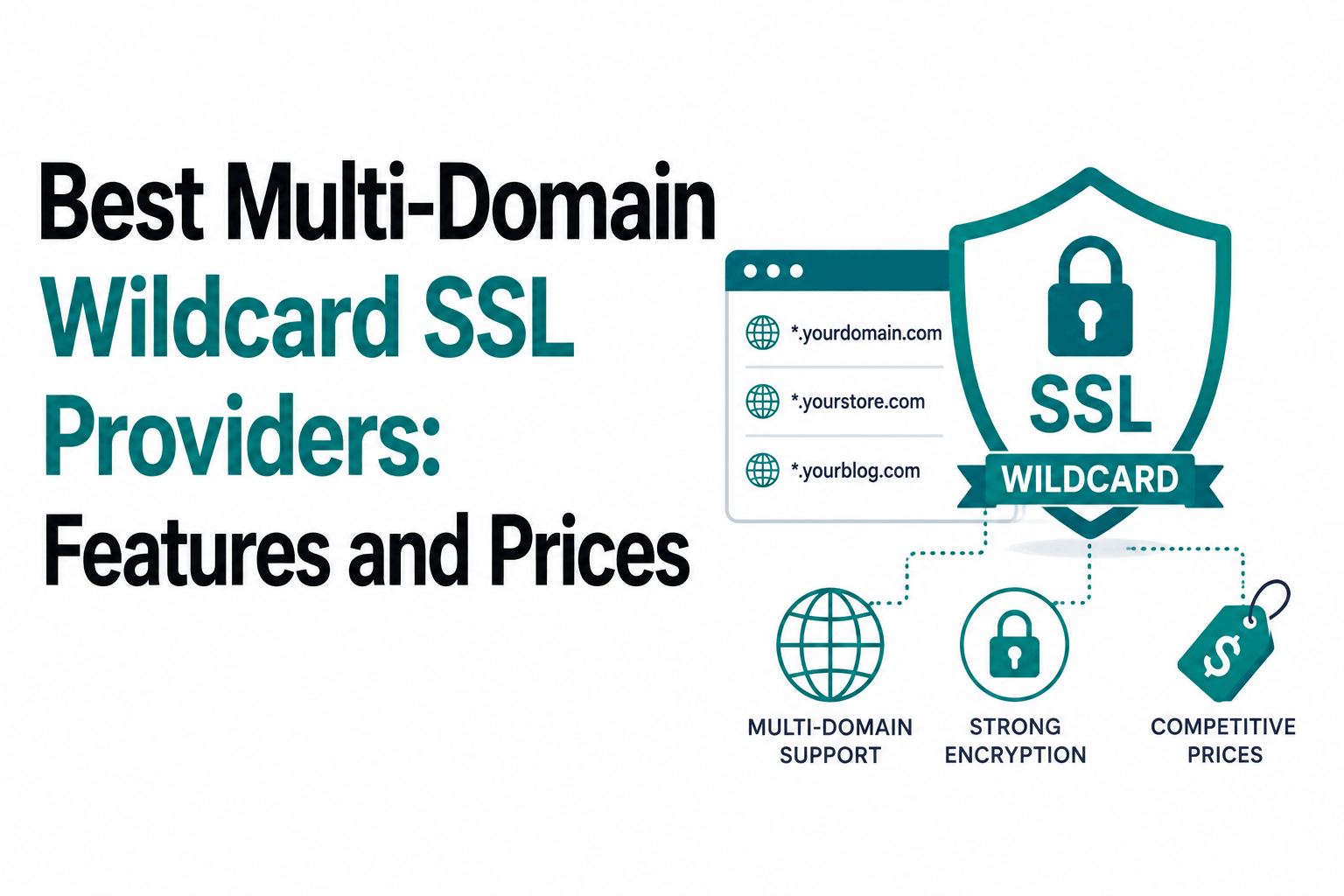
What is Multi Domain Wildcard SSL Certificate? The combination of wildcard SSL and Multi-domain SSL forms the Multi-domain wildcard SSL certificate. By using the Multi-domain wildcard SSL certificate, the user can protect multiple files and domains as well as unlimited[…]
Last updated: Oct 31, 2025 Securing internal networks and private systems has become just as important as securing public-facing applications. Whether you’re running a company intranet, internal file server, ERP system, staging environment, or Active Directory-based infrastructure, modern browsers,[…]

Last updated: Nov 2, 2025 In the world of digital security, two terms often come up together—authentication and authorization. While they sound similar and are both essential for keeping systems and data safe, they serve very different purposes. Think of[…]
Free SSL certificates are Domain Validated (DV) TLS certificates issued at no monetary cost. The encryption they provide is technically identical to paid DV certificates from commercial CAs. A free SSL certificate encrypts data between a browser and your server[…]
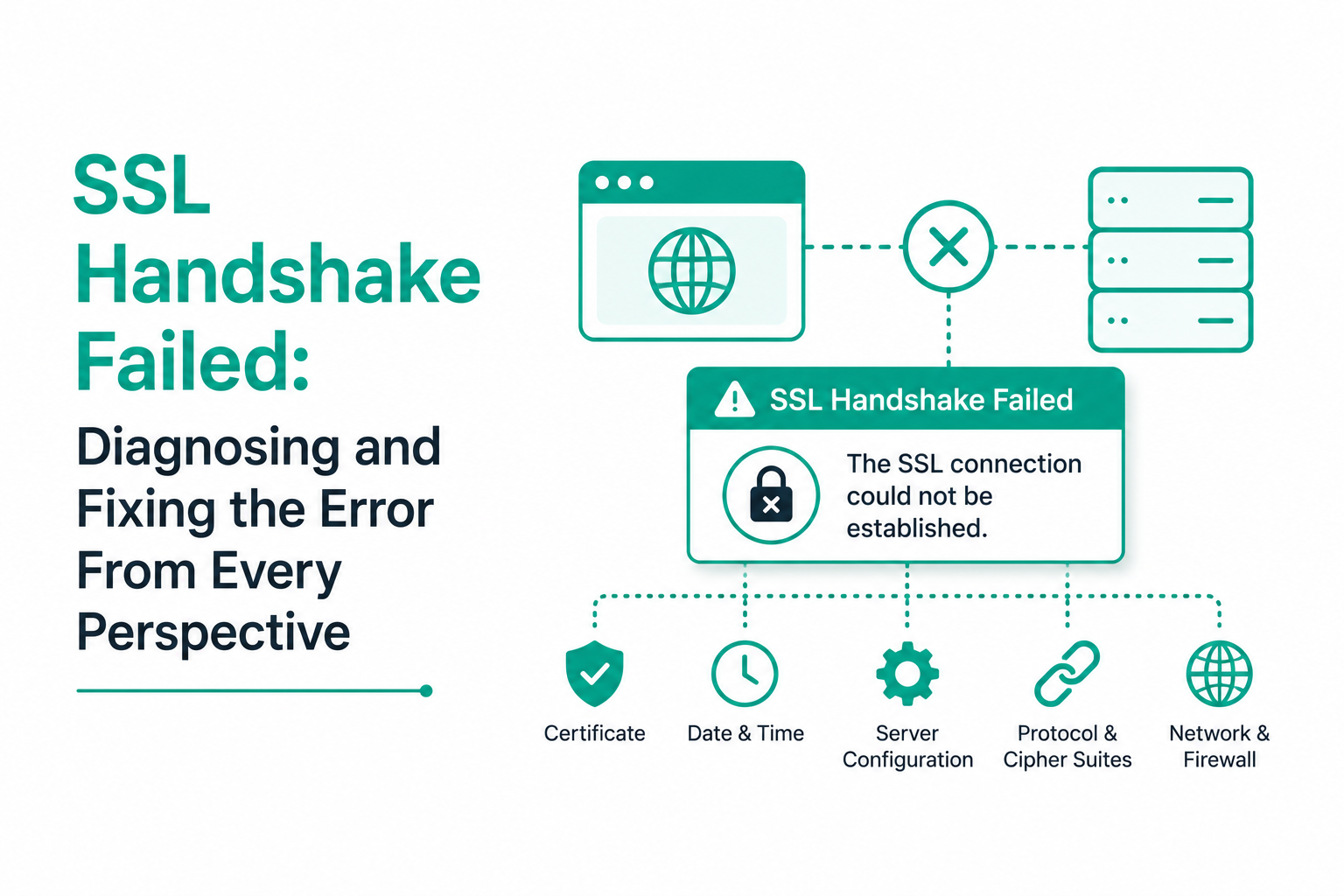
SSL handshake failed is not a single error. It is a category of failure that occurs when a TLS handshake between a client and server cannot complete, and the specific cause depends on which phase of the handshake broke down[…]
Every blog should run on HTTPS. Google uses HTTPS as a ranking signal. Browsers show a ‘Not Secure’ warning on HTTP pages where users enter information. Visitors increasingly expect the padlock. For bloggers, the good news is that free SSL[…]
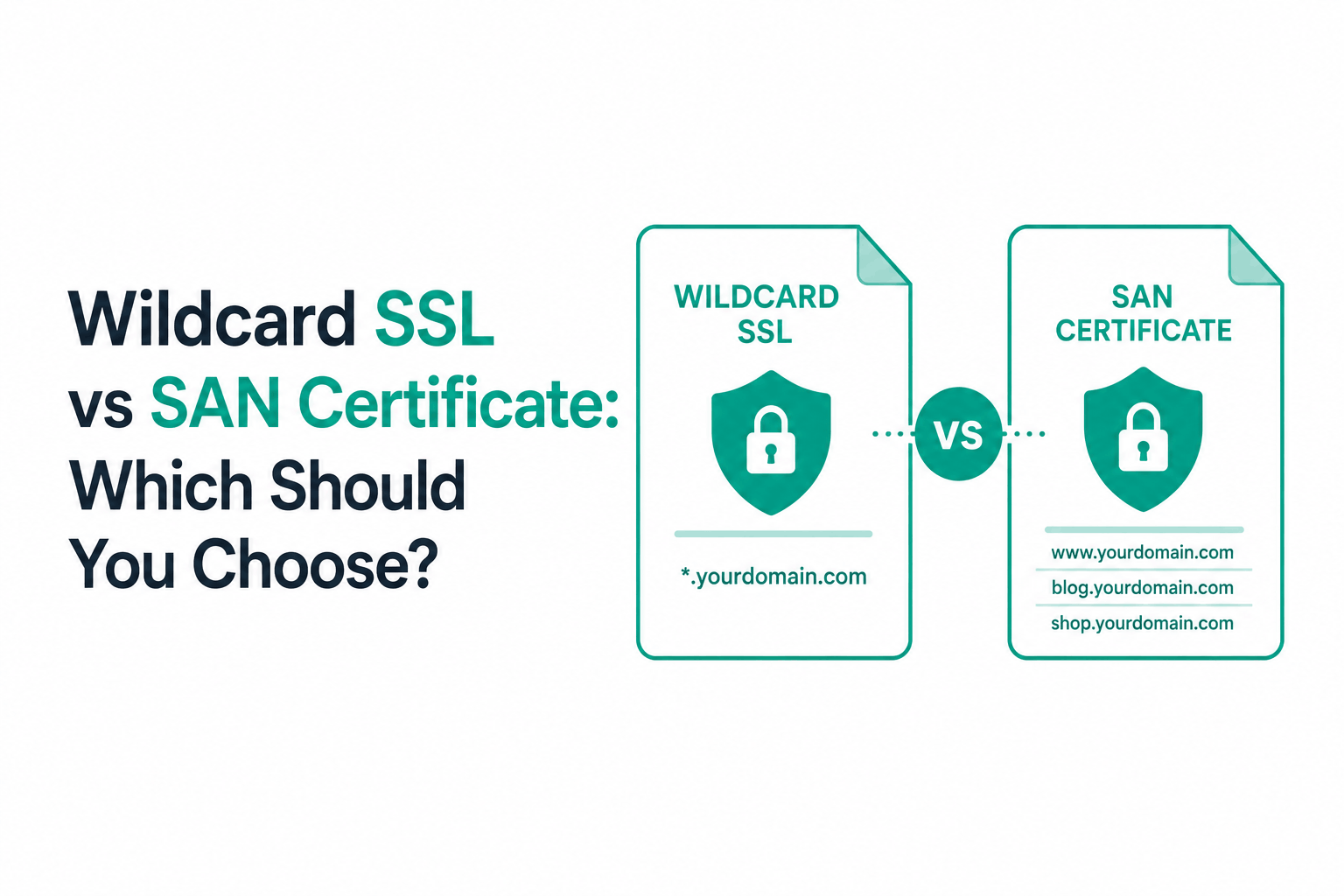
Most guides about wildcard and SAN certificates start with definitions. This one starts with the question that actually matters: what does your domain structure look like? If everything you need to secure sits under one domain name (yourdomain.com) but across[…]
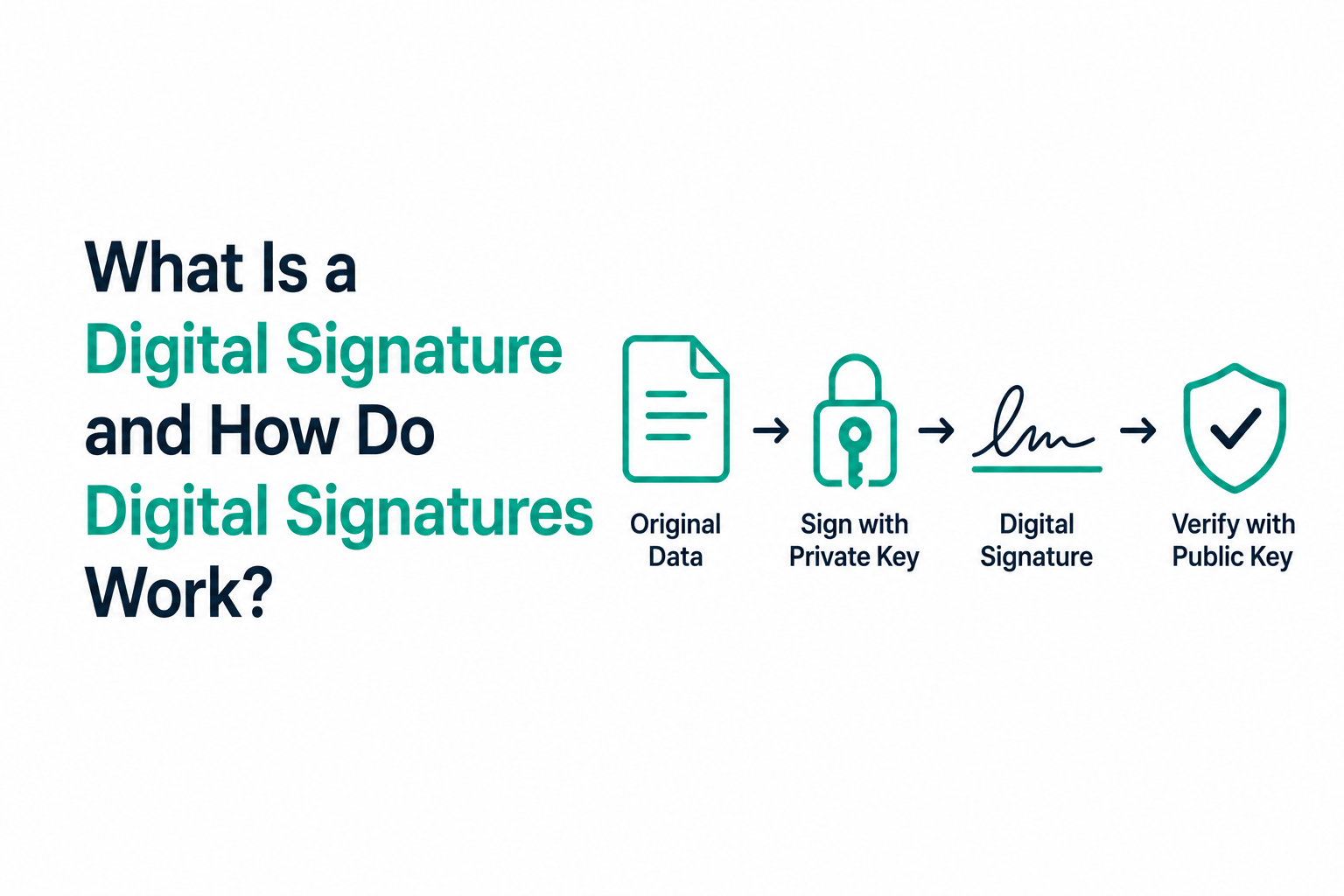
A digital signature is a cryptographic value attached to a piece of data that proves two things: who produced the data and that the data has not been changed since it was signed. It is not a scanned image of[…]
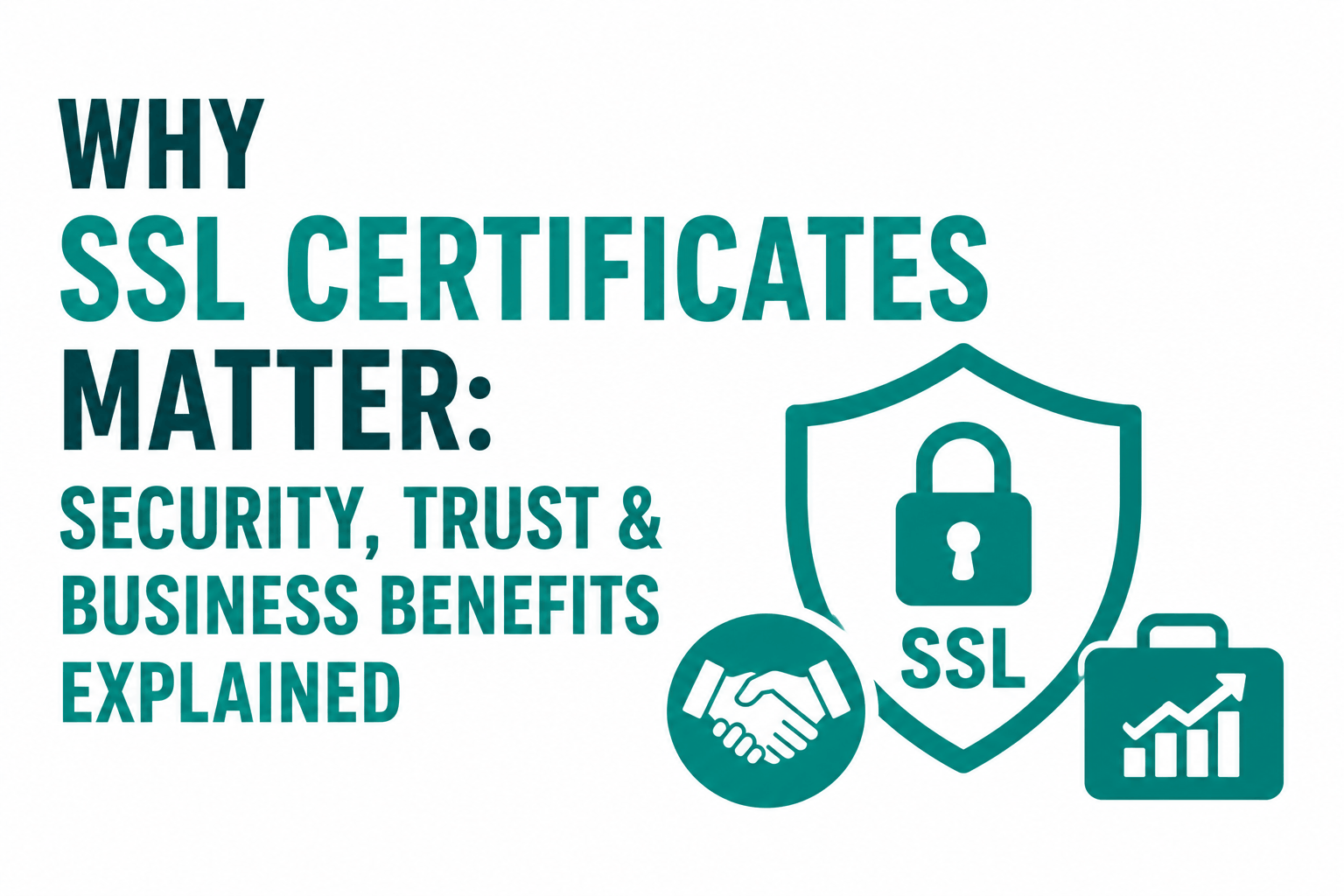
A modern website is expected to do more than simply load quickly and look professional. It must protect the communication taking place between users, browsers, applications, and servers. Whenever someone logs into an account, submits a contact form, makes an[…]
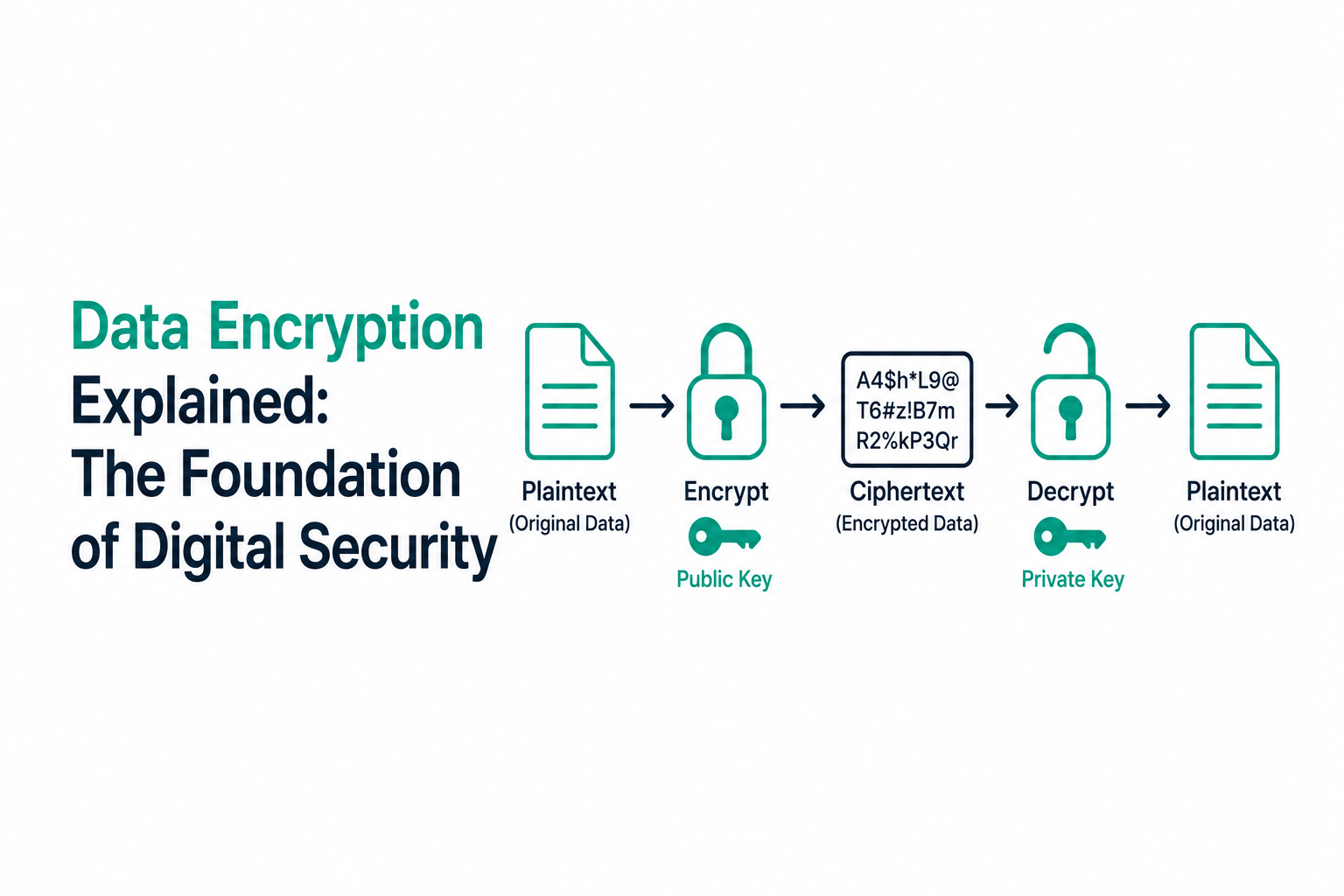
In 2023, a ransomware group exfiltrated 8.9 million patient records from a US healthcare network and published them when the ransom was refused. The records contained names, Social Security numbers, dates of birth, insurance information, and medical history. Every person[…]
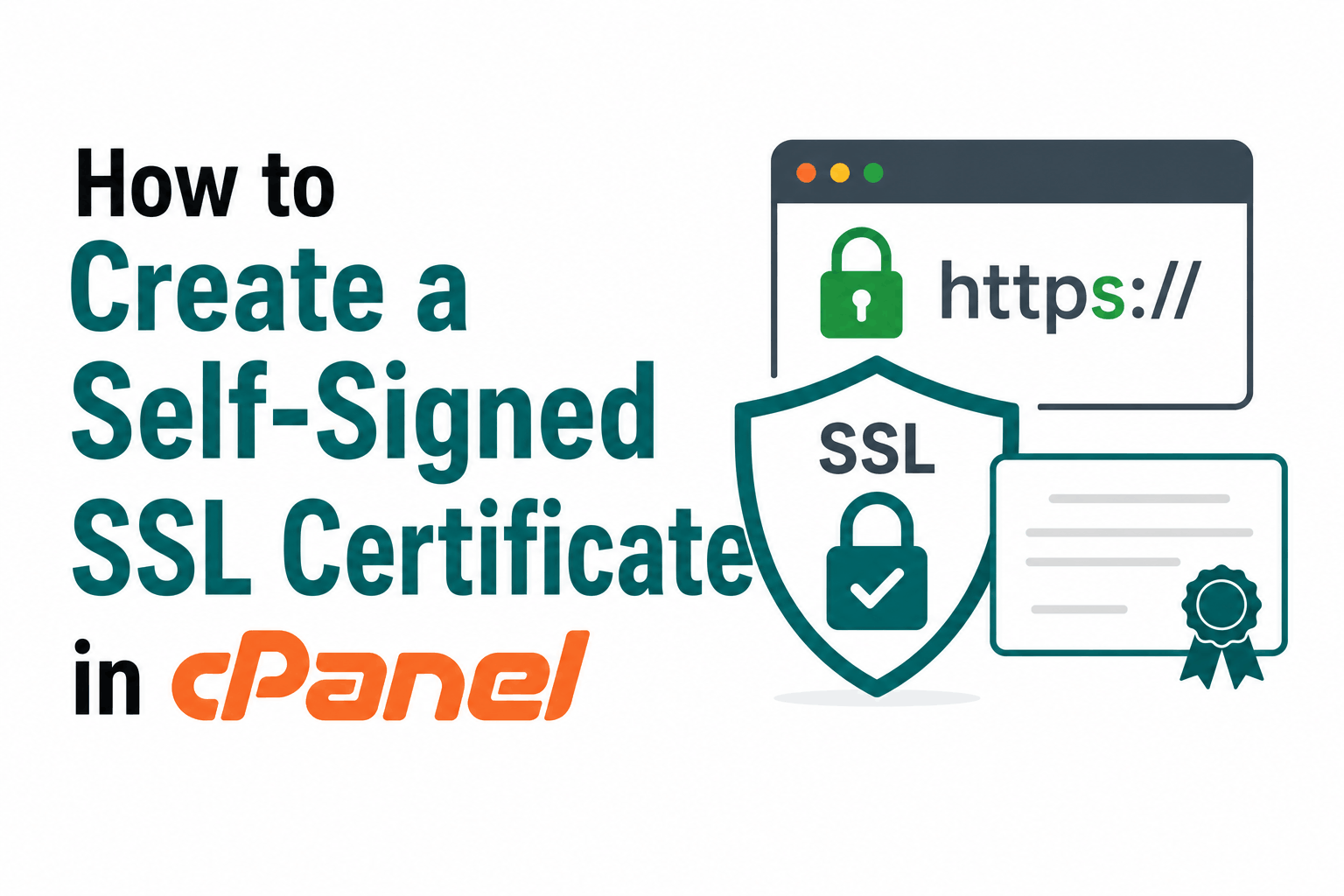
cPanel lets you generate a self-signed SSL certificate entirely within the control panel, without purchasing a certificate or waiting for CA verification. Before going through that process, it is worth knowing that most cPanel hosting accounts come with AutoSSL, which[…]
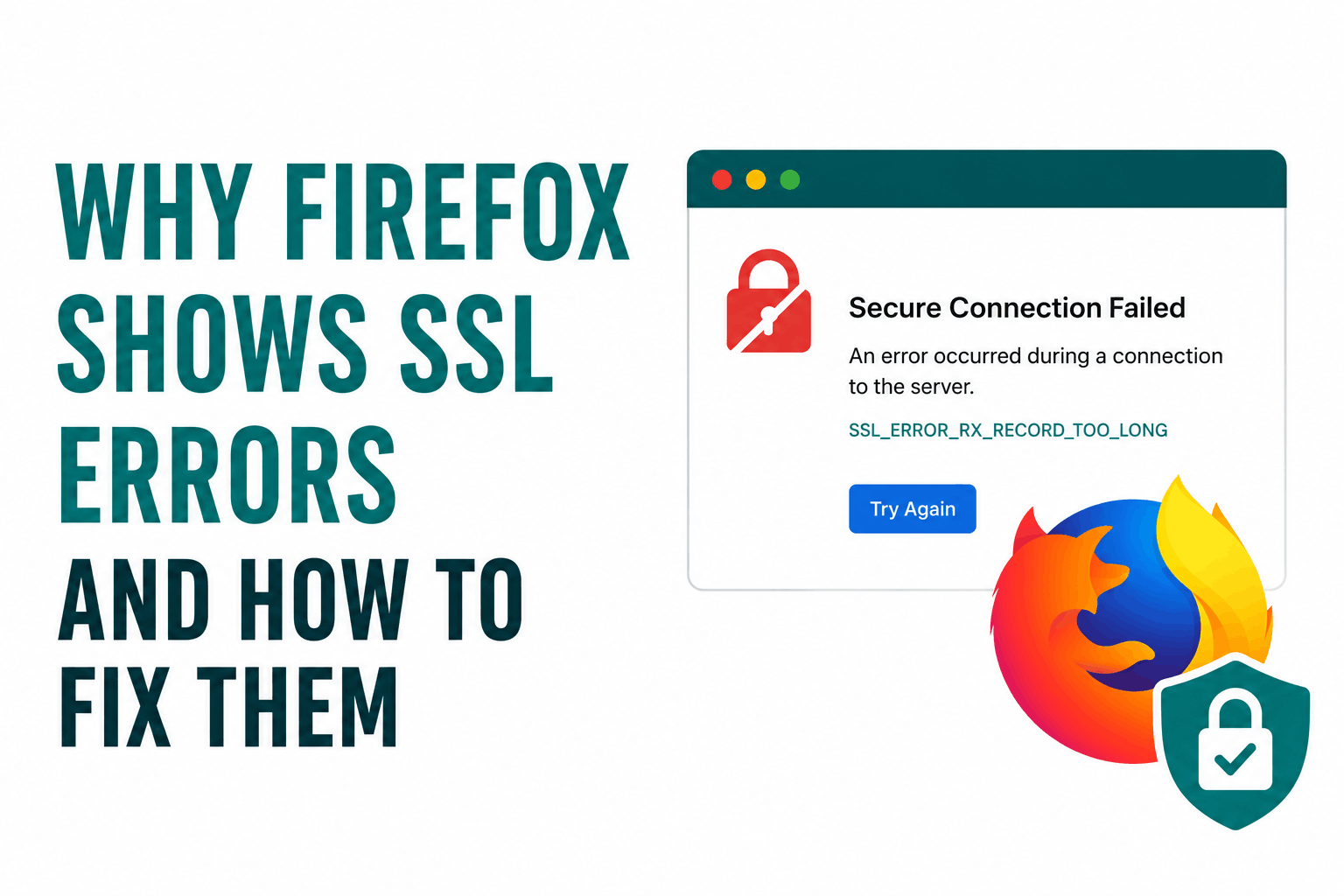
When browsing the internet, security is paramount, and one of the critical technologies ensuring this security is SSL (Secure Sockets Layer) or its modern counterpart, TLS (Transport Layer Security). These protocols encrypt data transmitted between your browser and a website,[…]
Last updated: Oct 26, 2025 When comparing entry-level SSL certificates, PositiveSSL and RapidSSL are two of the most popular options for basic website encryption. At first glance, both appear nearly identical — they are both Domain Validation (DV) certificates, issued[…]
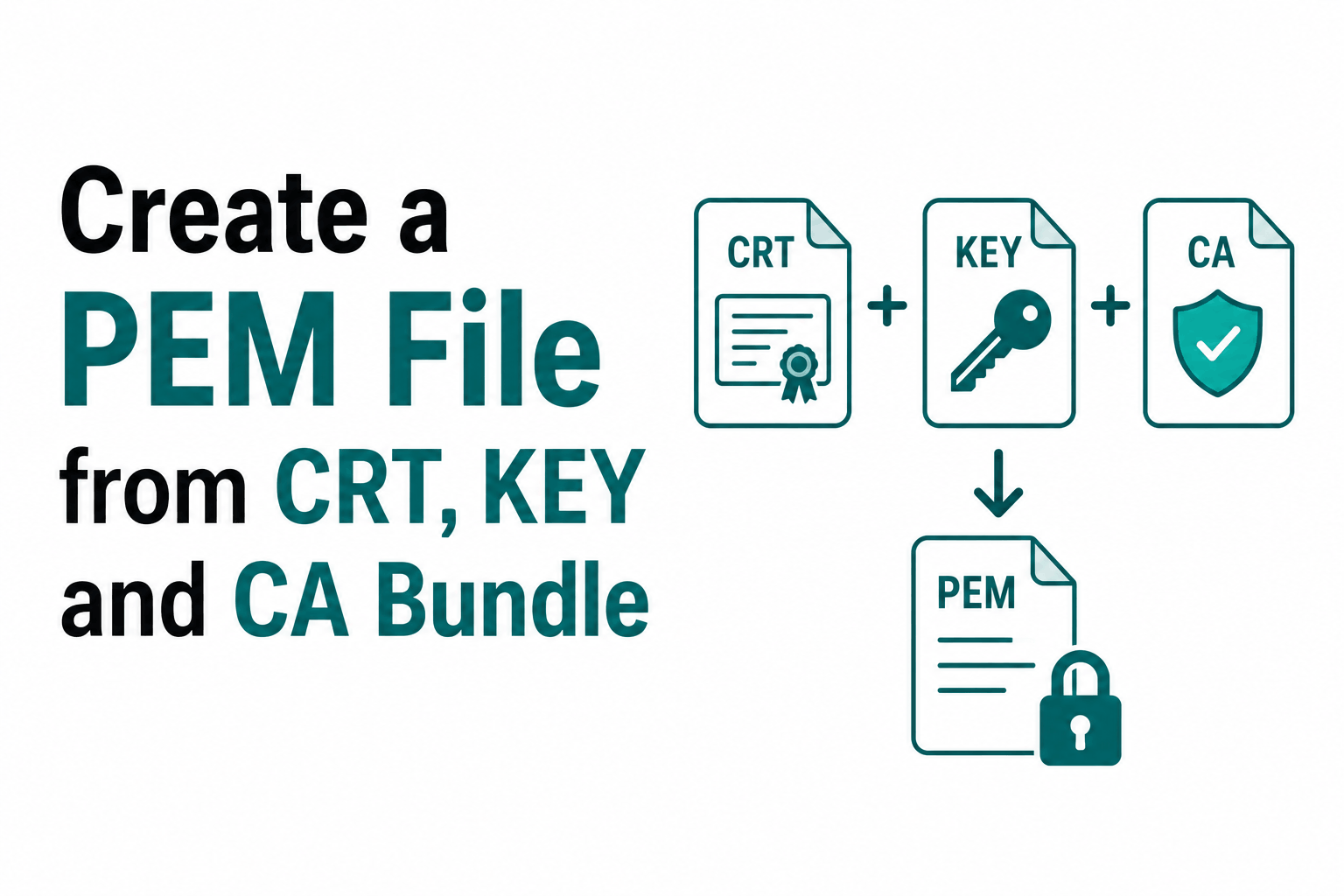
Last updated: Nov 2, 2025 Secure communication on the web depends on SSL/TLS certificates — without them, browsers like Chrome, Firefox, and Edge can’t verify a website’s authenticity or encrypt sensitive data. While configuring HTTPS, one of the most common[…]
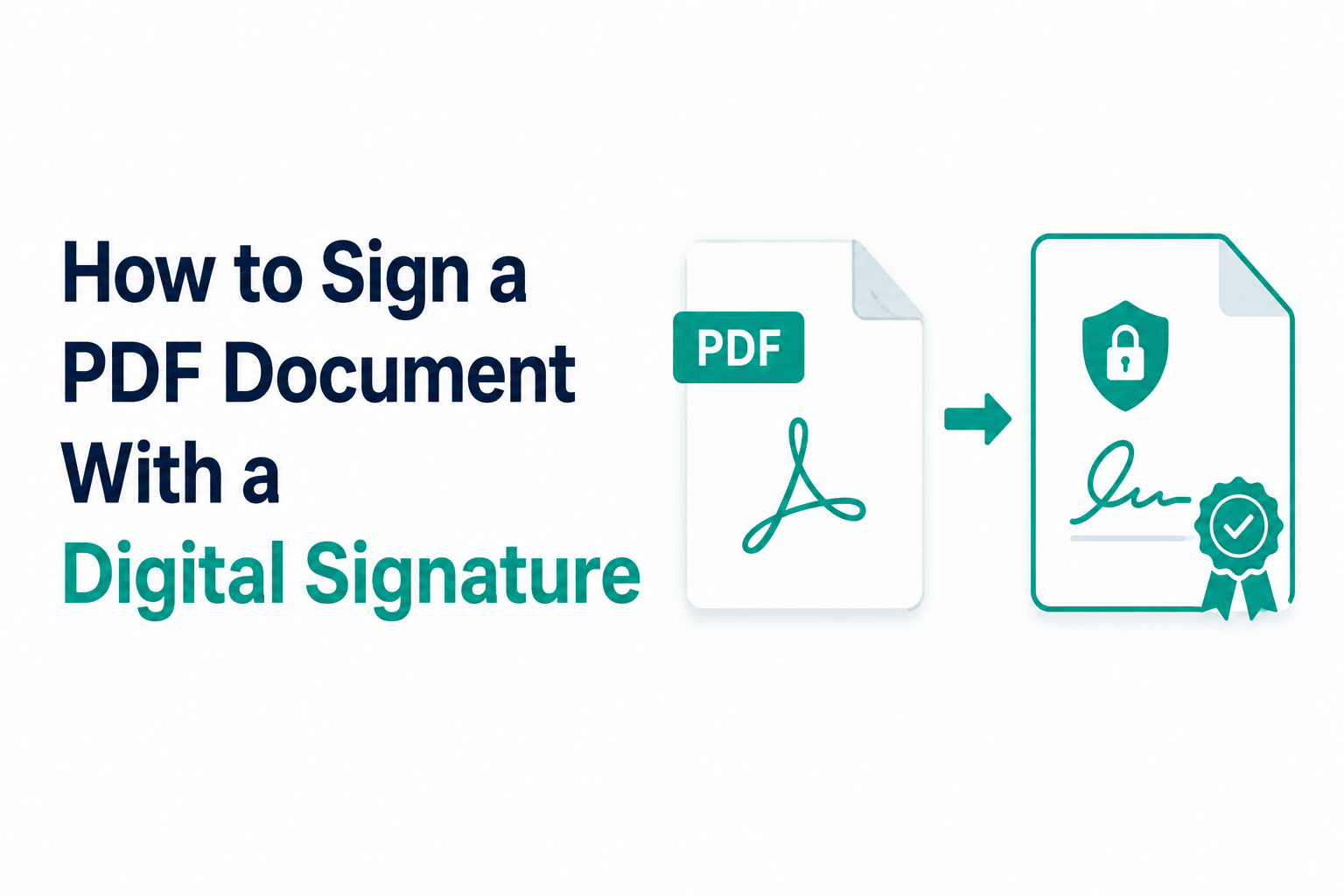
PDF digital signatures are not all the same. An e-signature that places a signature image on a PDF (DocuSign’s click-to-sign, Adobe Acrobat’s Fill and Sign, a drawn signature on a tablet) creates an electronic signature backed by an audit trail.[…]
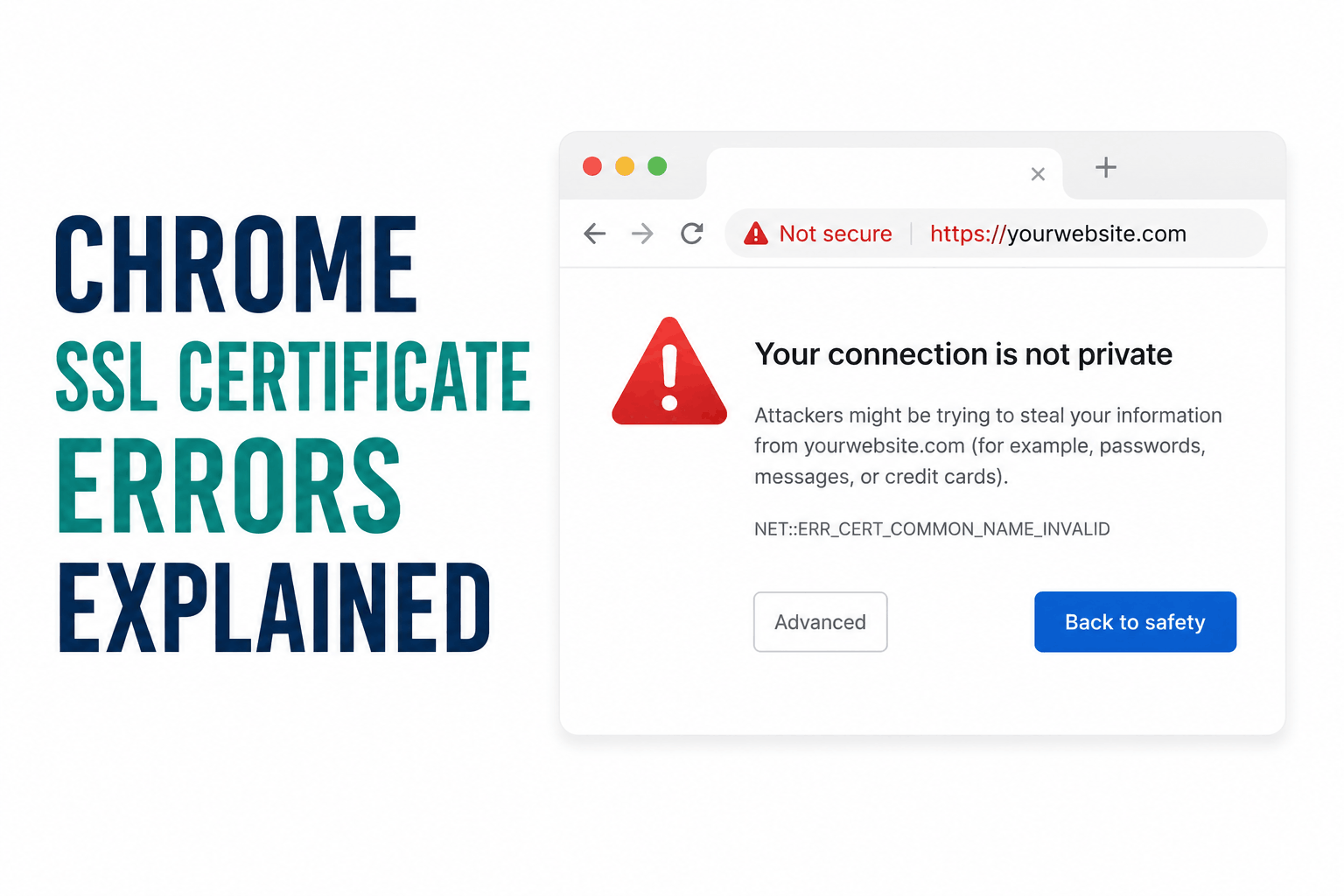
Chrome does not show one SSL error. It shows at least a dozen distinct error codes, each pointing to a different layer of the problem: the certificate itself, the server configuration, the trust chain, or something specific to the visitor’s[…]
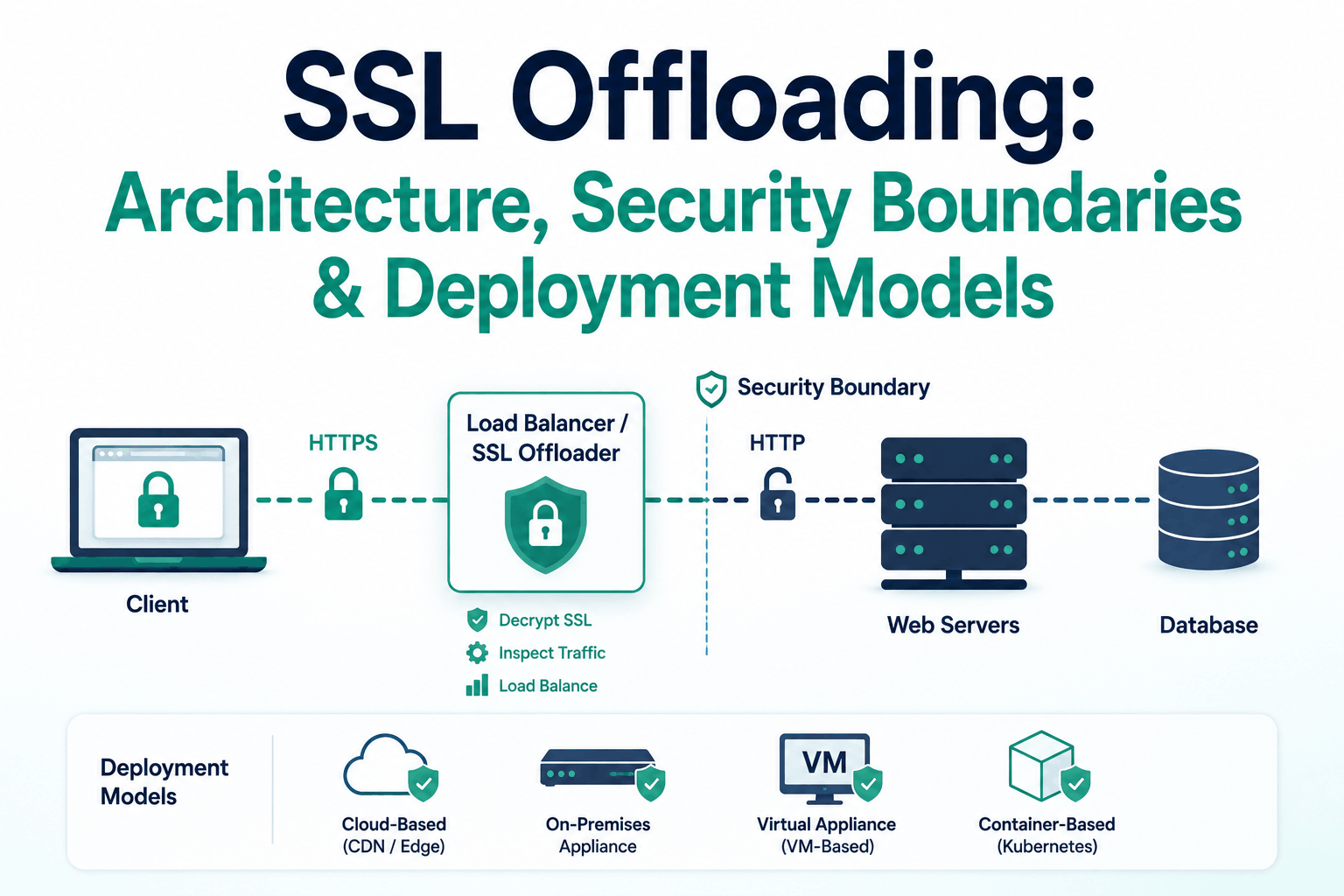
SSL offloading is commonly presented as a performance optimization: move the CPU-intensive TLS handshake and encryption from backend servers to a dedicated device, free up application server resources, centralize certificate management. All of that is accurate. What the performance-first framing[…]
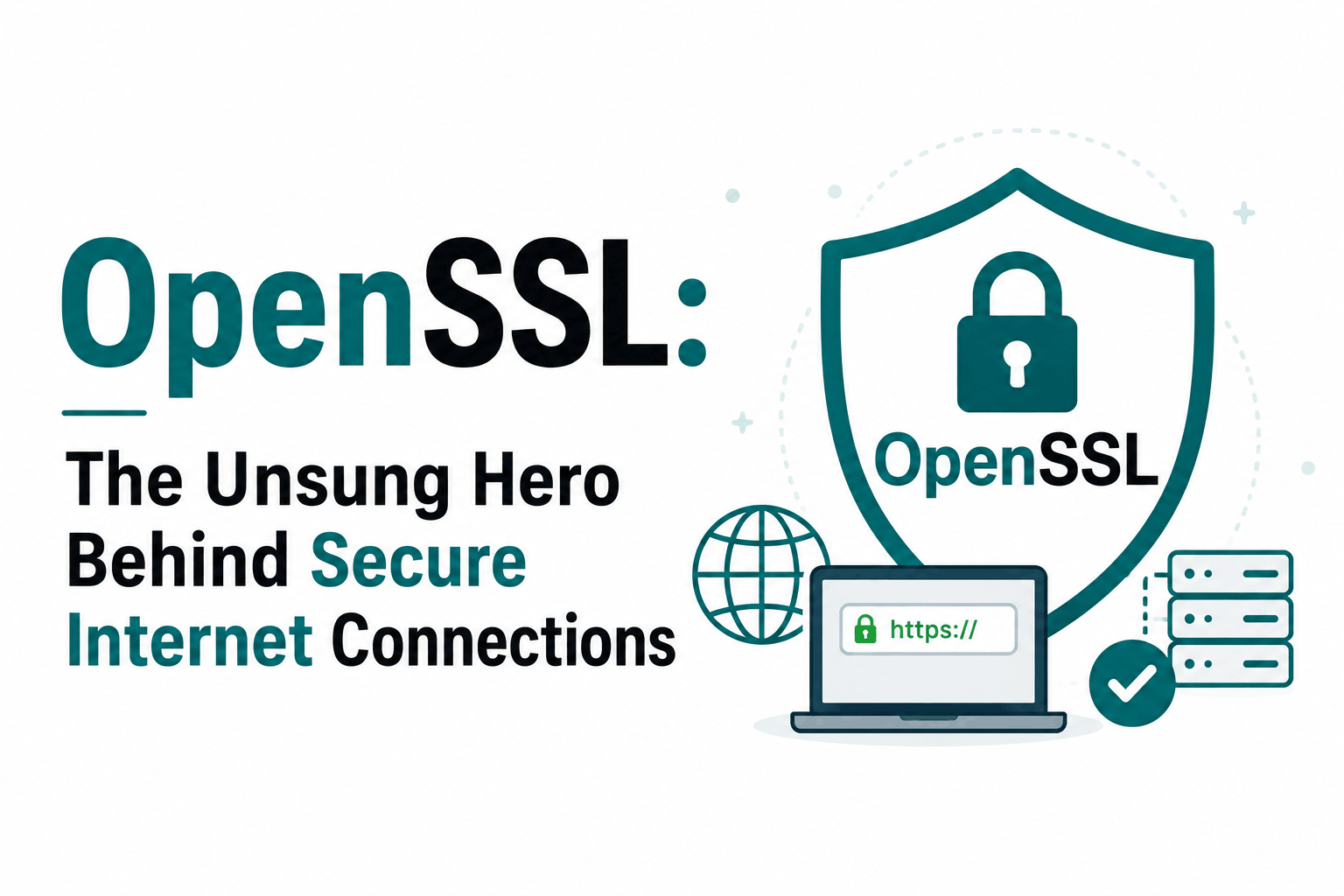
When people think about HTTPS, they usually think about the padlock in the browser, an SSL certificate, or the TLS protocol running behind the connection. Very few think about the software that actually performs much of the cryptographic work required[…]
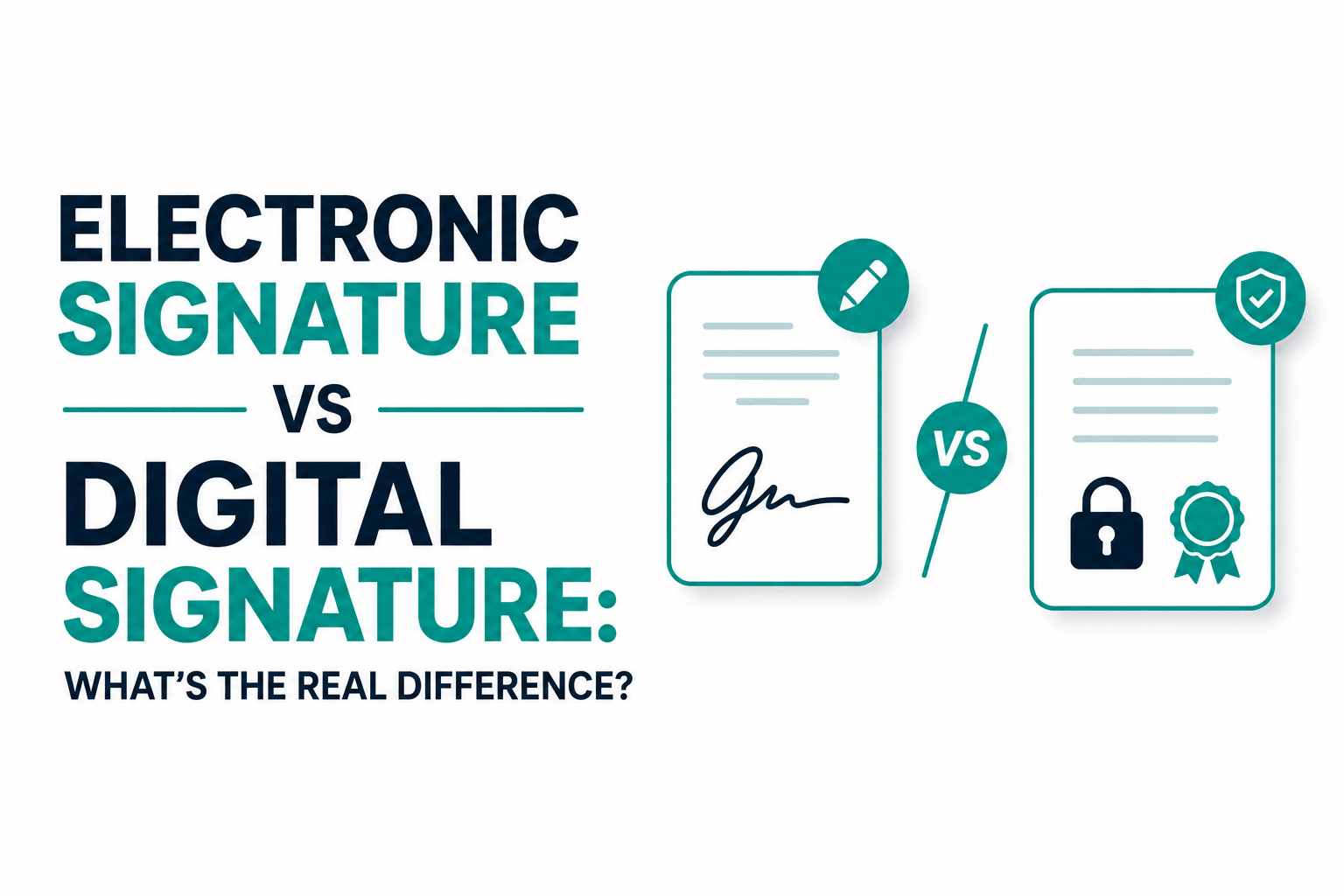
The terms electronic signature and digital signature are used interchangeably in most business contexts, but they are not the same thing. One is a broad legal category that includes virtually any electronic indication of consent. The other is a specific[…]
Last updated: Nov 13, 2025 Every time you visit a secure website — whether it’s your online bank, Gmail, Amazon, or even your own WordPress dashboard — your browser performs a behind-the-scenes trust check. Before it loads the page, it[…]
Choosing an SSL certificate provider in the UK is not simply about finding the lowest price. A certificate that costs £10 less may become the more expensive choice if it does not cover all the required domains, requires difficult manual[…]
Internet Information Services (IIS) is a versatile and powerful web server software developed by Microsoft. It is commonly used to host websites and web applications on Windows Servers, providing a range of features such as HTTP/HTTPS support, FTP, SMTP, and[…]
Finding a cheap SSL certificate in India is easy. Finding one that offers the right combination of price, trust, coverage, support, and long-term value is much harder. The SSL market includes Certificate Authorities, security companies, hosting providers, domain registrars, and[…]
Everything you need to know about SSL certificates: how they work, the seven types, how to choose the right one, pricing in 2026, the new 200-day validity rules, and how to get your site secured correctly from day one. What[…]
256-bit encryption is extraordinarily secure against brute-force key search. That statement is accurate. It is also incomplete in ways that matter. The security of any encrypted system depends not just on the key length of the symmetric cipher but on[…]
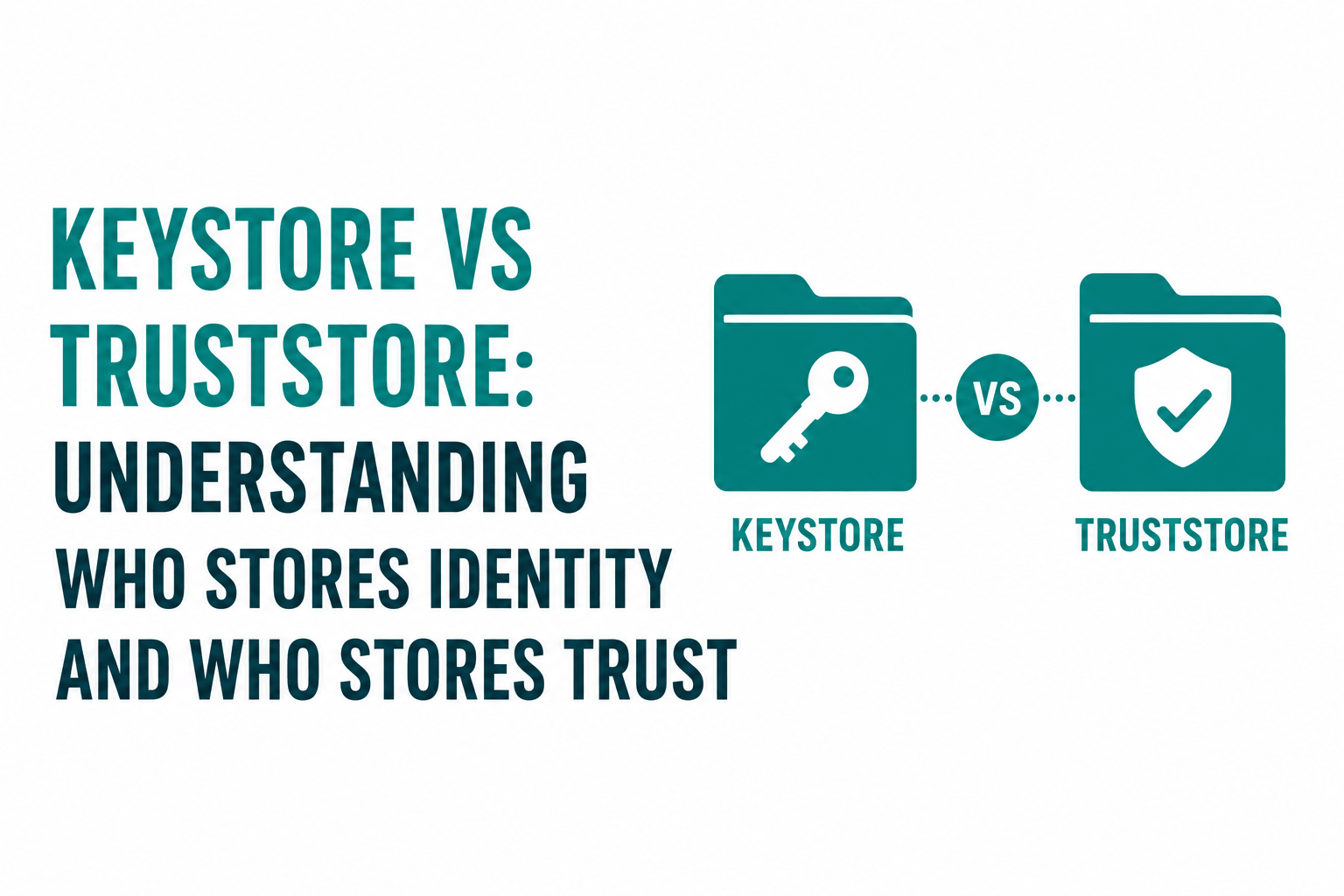
Cloud computing, APIs, and distributed systems, digital security is more important than ever—especially for Java-based enterprise applications that transmit sensitive data across networks. One of the most critical elements in ensuring data confidentiality and secure communication is SSL/TLS encryption. It[…]
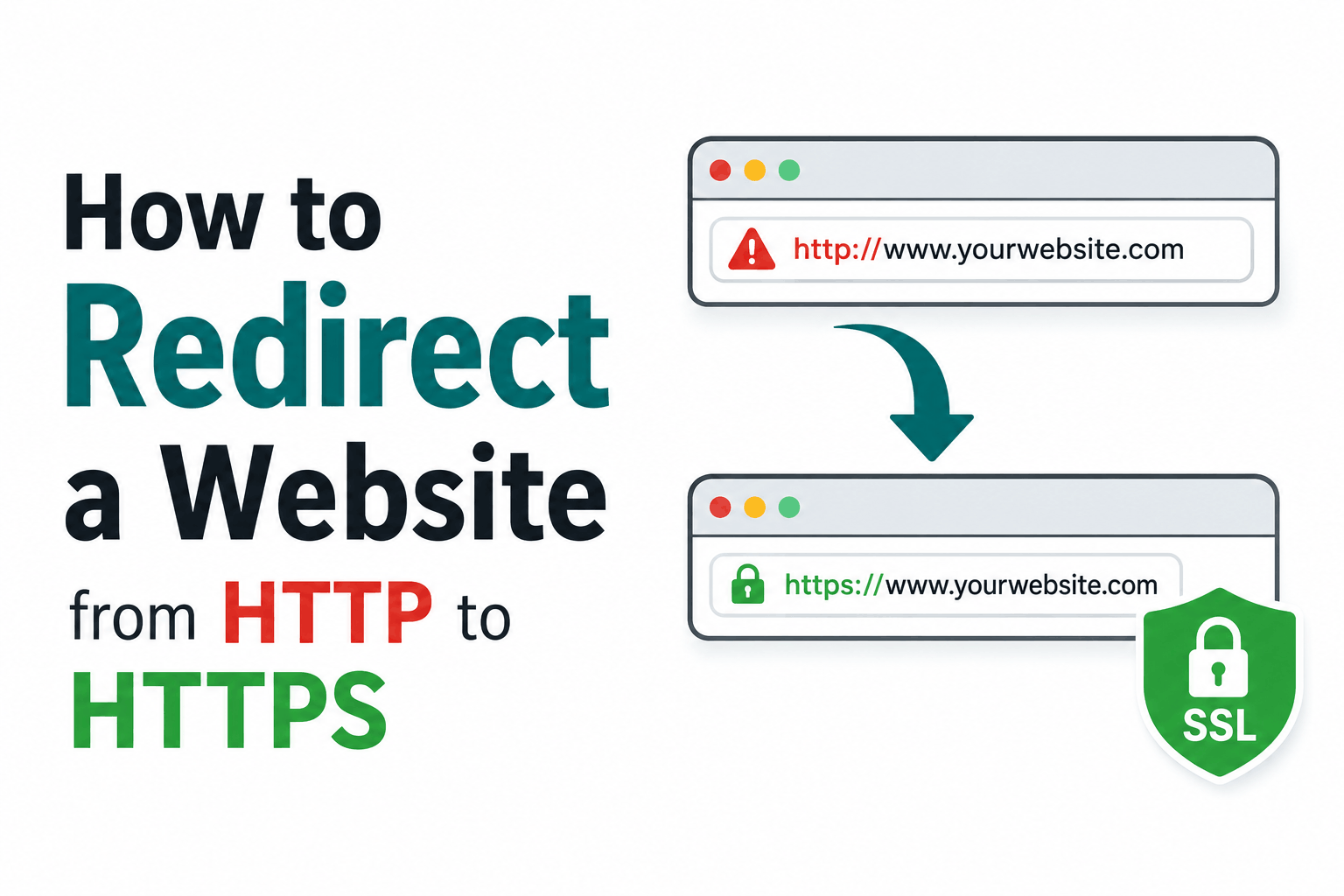
Last updated: Nov 13, 2025 Redirecting HTTP to HTTPS is one of the most essential steps in securing a website today. Whether you’re running a personal blog or managing a large business application, forcing HTTPS ensures that every visitor accesses[…]
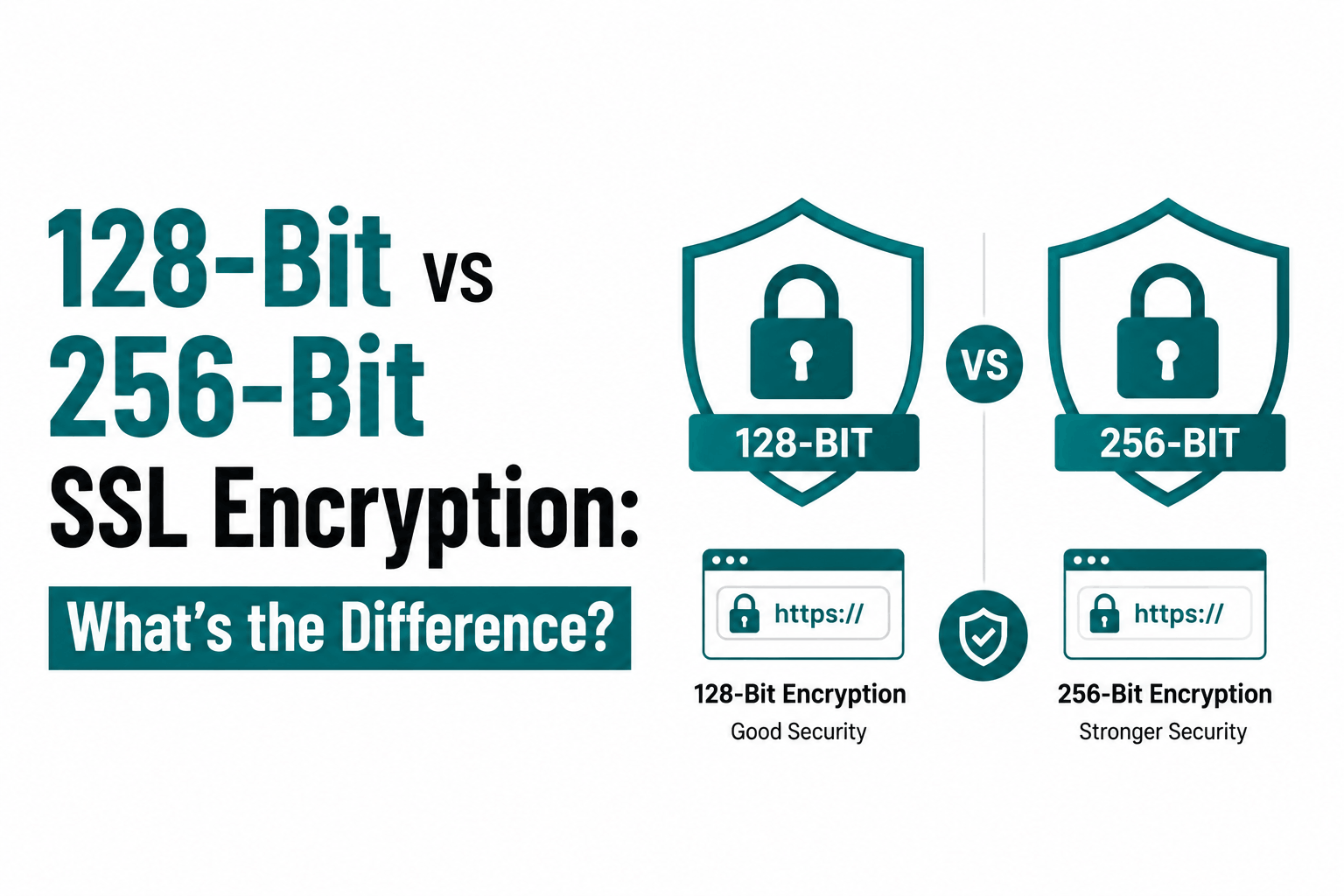
Last updated: Oct 31, 2025 When you see a website displaying a padlock in the browser, you expect a secure and encrypted connection. That encryption happens through SSL/TLS, and often you’ll hear terms like “128-bit SSL encryption” or “256-bit SSL[…]
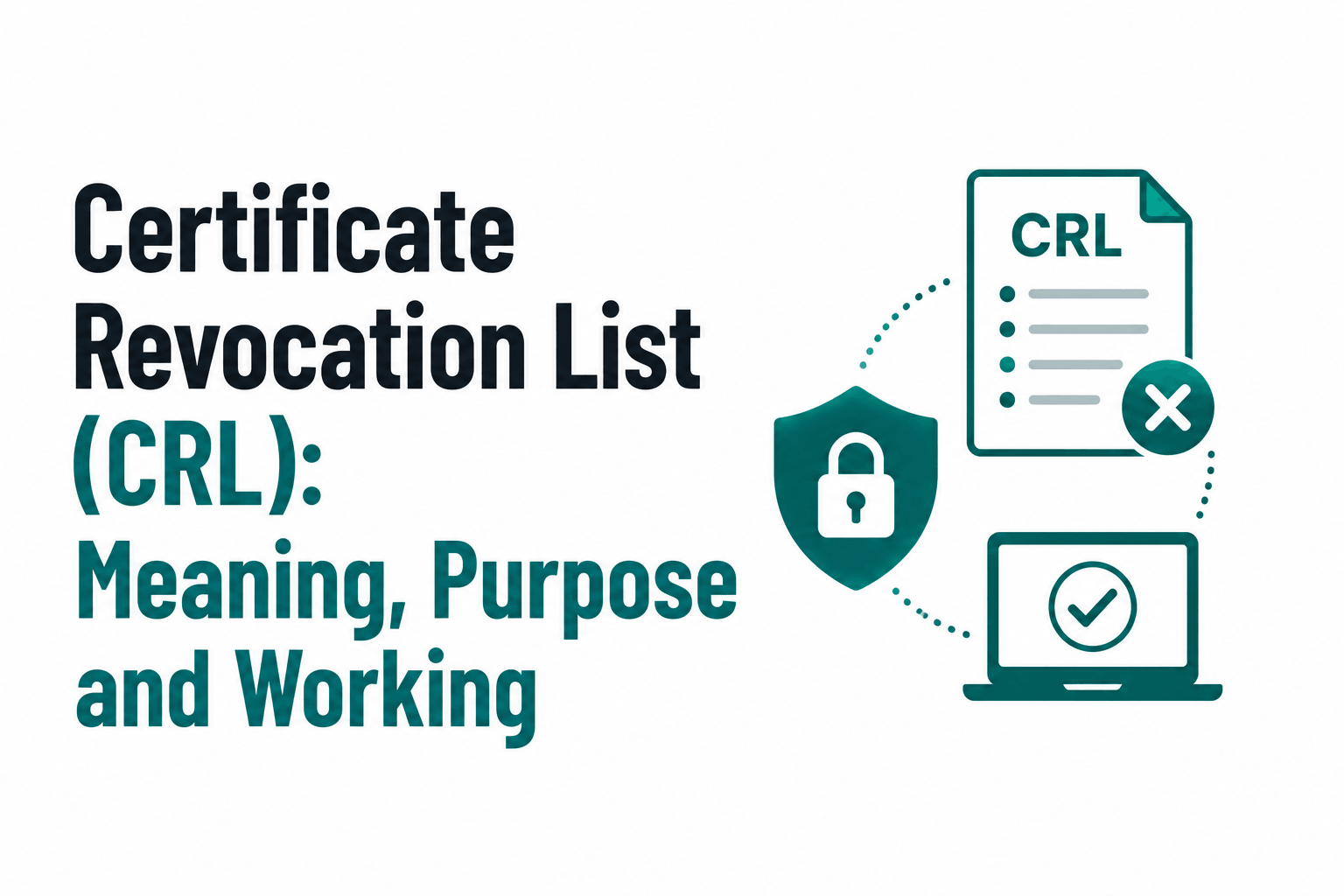
An SSL/TLS certificate is normally trusted until its notAfter date is reached. But there are situations where waiting for expiration is not safe. If the private key has been compromised, a certificate was issued incorrectly, ownership information has changed, or[…]
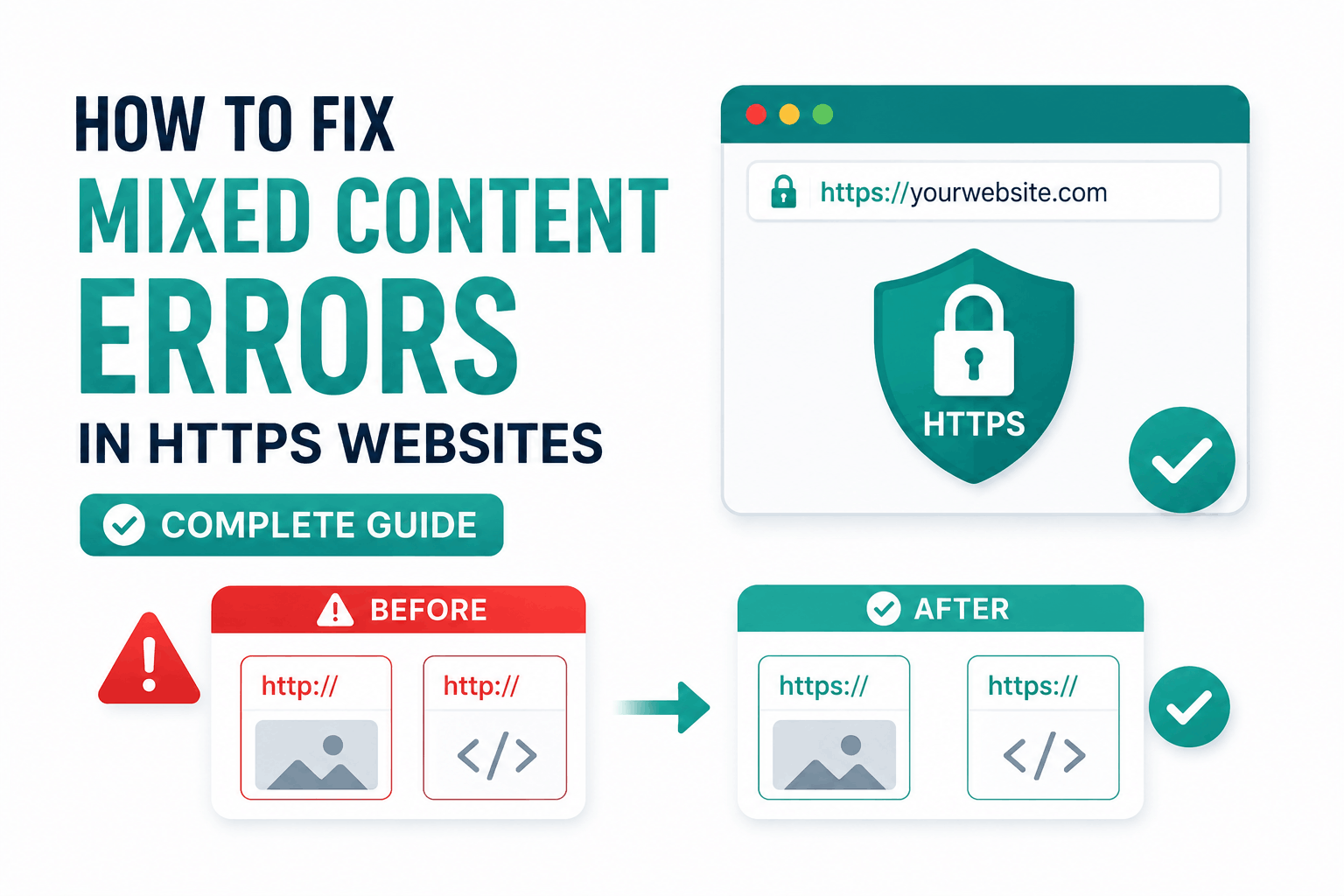
Installing an SSL certificate is supposed to make your site secure. The padlock appears, the URL shows HTTPS, and for a moment everything looks correct. Then someone checks the browser console or uses a scanning tool and finds a list[…]
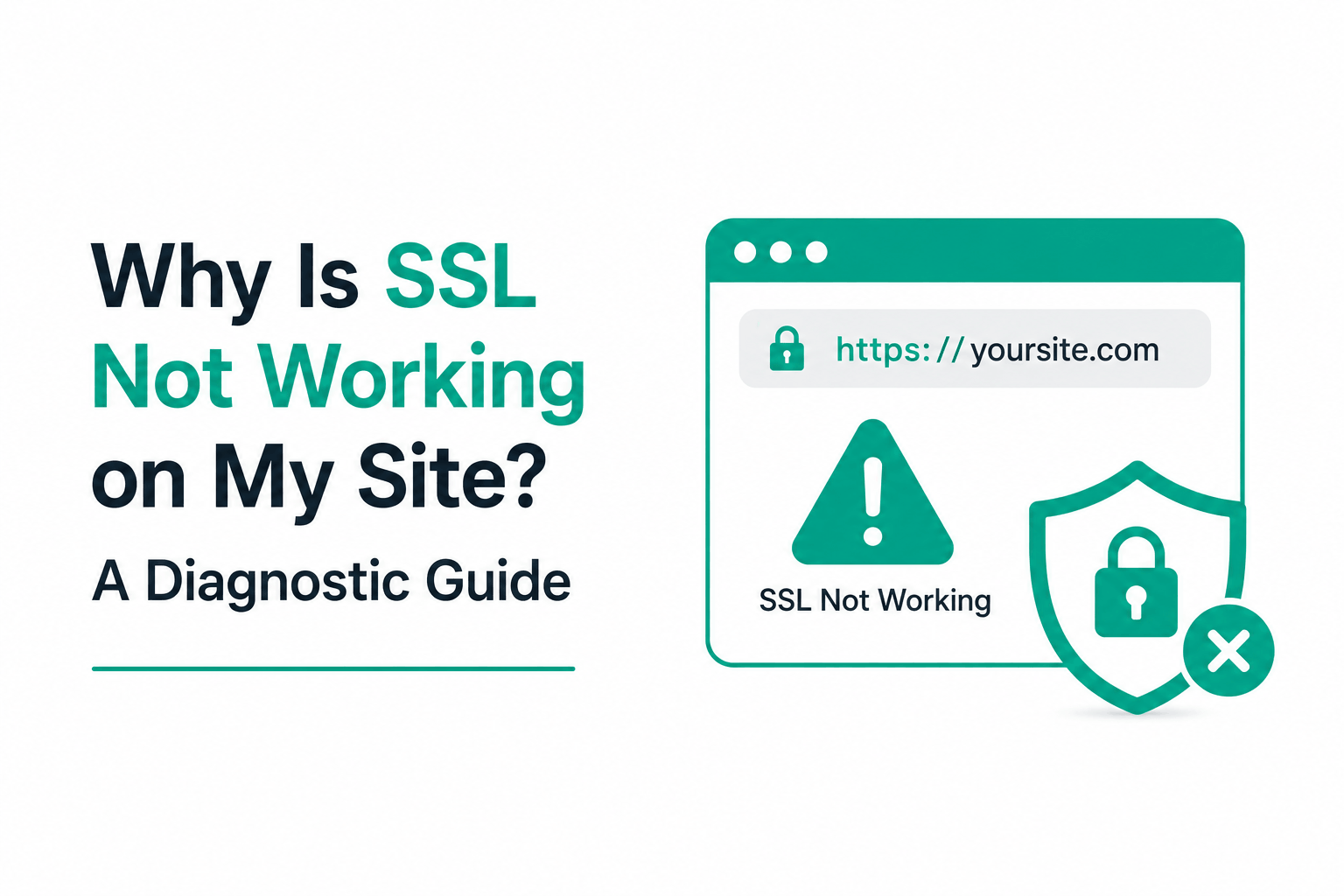
SSL problems come in several distinct categories that require different fixes. Knowing which category applies to your situation before attempting fixes saves significant time. This guide starts with a diagnostic table that maps your specific symptom to the category of[…]
Every time a browser connects to a website over HTTPS, it performs a remarkable act of trust. It receives a certificate from a server it has never communicated with before, on a network it does not control, from an entity[…]
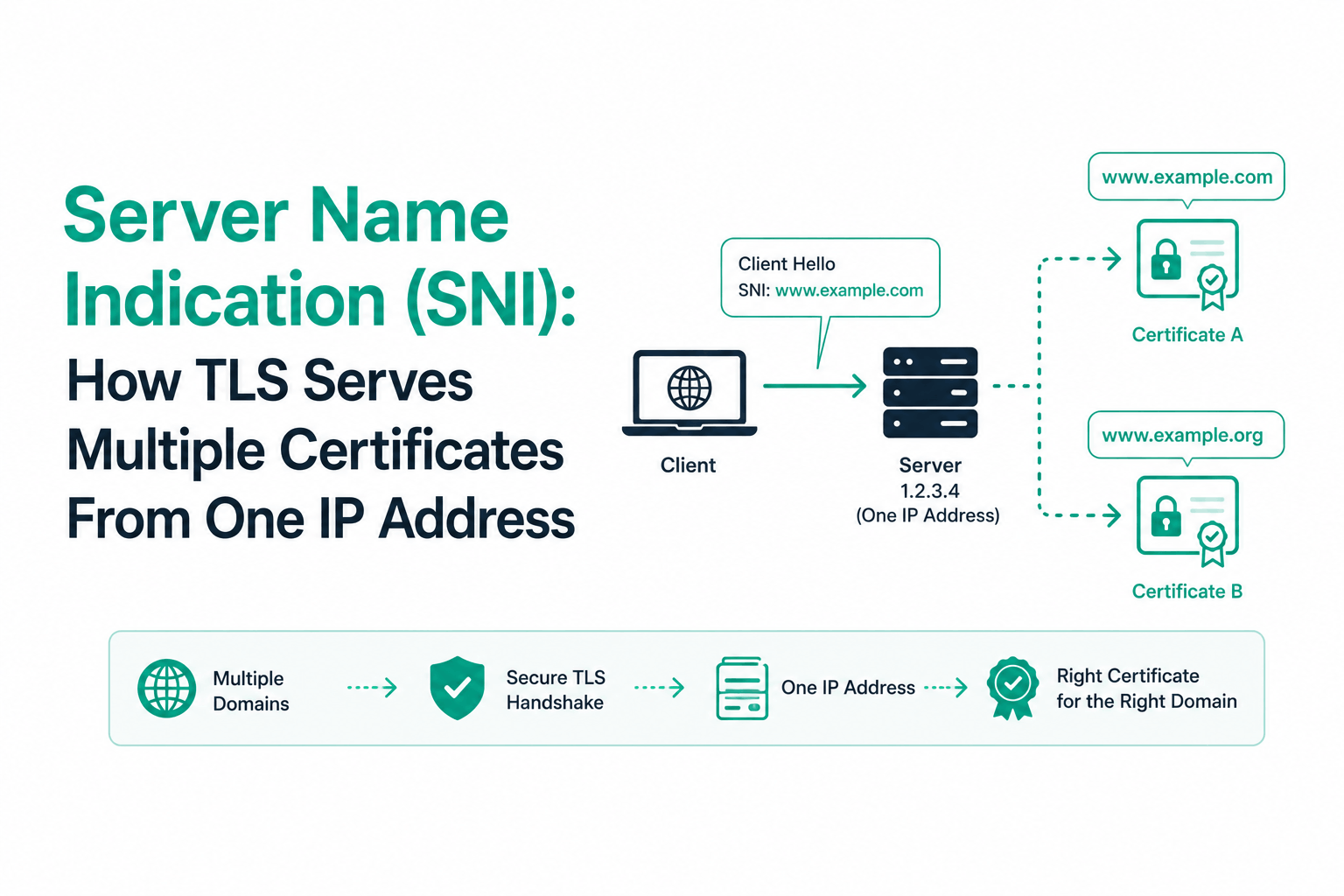
The TLS handshake has a sequencing problem. When a browser opens a connection to a web server, it needs the server to present its SSL certificate before the browser can declare which website it wants. The certificate must come first[…]
What This Error Actually Means (and Why the Name Is Misleading) SSL_ERROR_RX_RECORD_TOO_LONG is a Firefox-specific error code. The name suggests a data size problem, but the actual cause is almost never about size. Understanding why the error has this name[…]
SSL certificates benefit SEO. That statement is true. But the way this benefit is described in most SEO guides overstates the direct ranking signal and underplays the indirect effects that actually matter more. Getting this right helps you prioritize correctly.[…]
The message ‘This site can’t provide a secure connection’ is Chrome’s umbrella error for any TLS handshake failure. It appears with different sub-codes depending on what actually went wrong, and the sub-code changes everything about the correct fix. Applying a[…]
NET::ERR_CERT_SYMANTEC_LEGACY is one of Chrome’s most specific error codes because it has exactly one cause: the certificate presented by the server was issued by Symantec’s legacy certificate infrastructure, which Google permanently distrusted in 2018. This is a CA-level distrust decision[…]
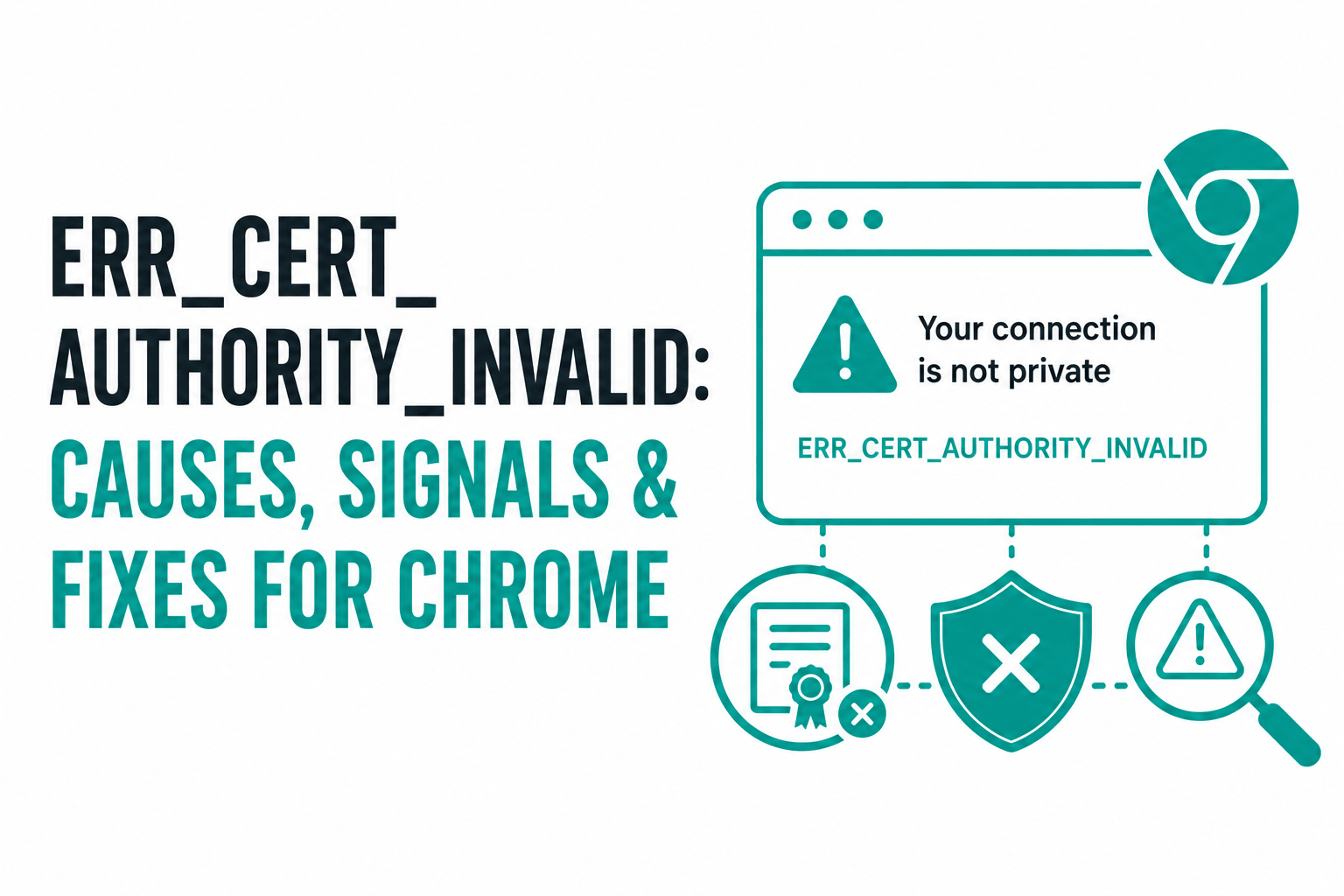
The ERR_CERT_AUTHORITY_INVALID error is a common SSL-related issue that occurs when your browser cannot verify the authenticity of a website’s SSL certificate. This happens because the certificate is either self-signed, issued by an untrusted authority, or improperly configured. Encountering this[…]
The green address bar is gone. Chrome removed it in 2019. Firefox followed. The most visible feature of Extended Validation SSL certificates, the one that justified the premium price for most buyers, disappeared because Google’s security team concluded the EV[…]
The expiry timestamp embedded in your SSL certificate is not a suggestion. At the exact second the Not After date passes, every browser on the planet stops trusting your certificate. There is no grace period. There is no warning to[…]
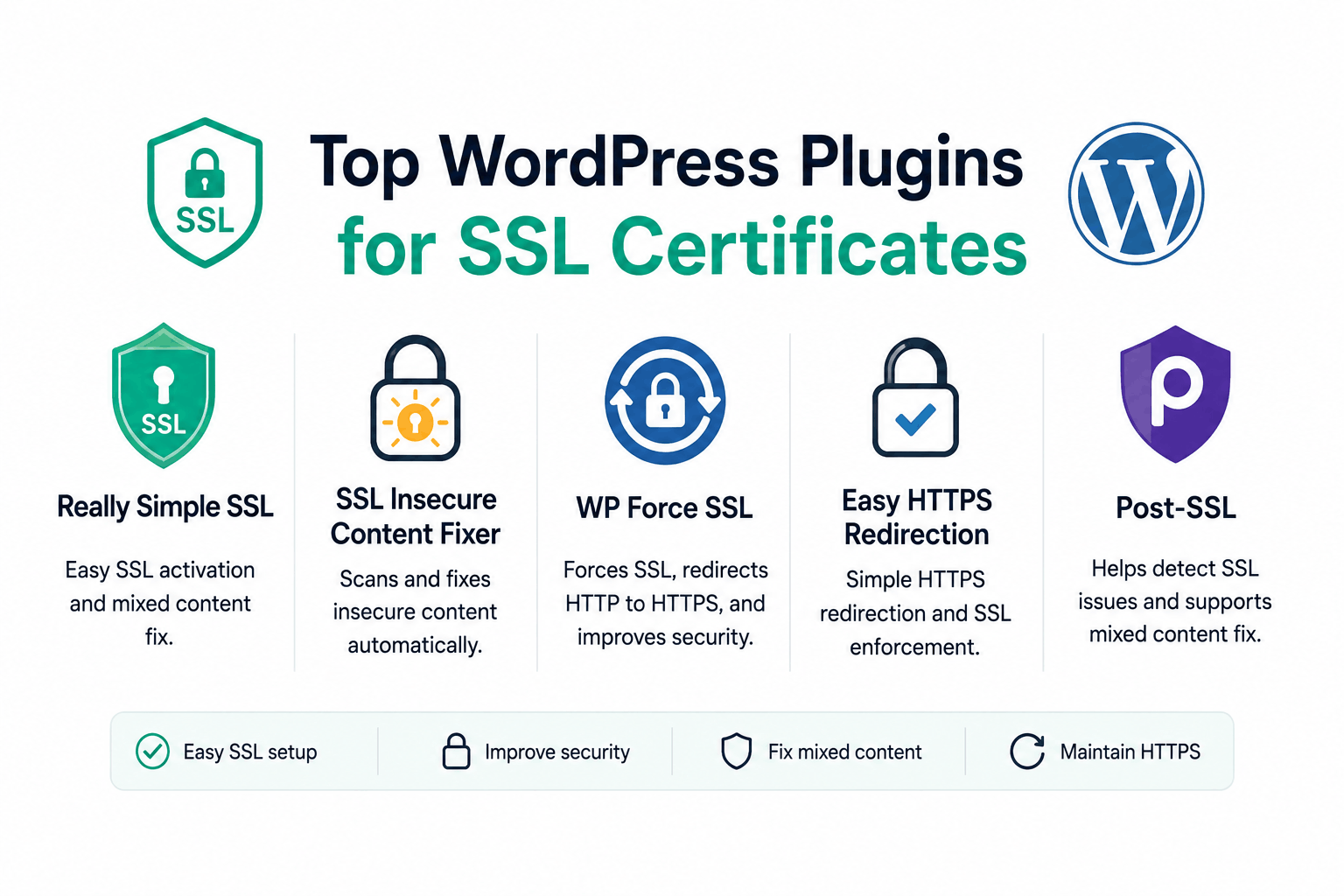
Most WordPress sites on modern shared hosting do not need an SSL plugin. If your host provides AutoSSL (cPanel) or equivalent automated certificate provisioning, and if you have updated your site’s database URLs from http:// to https://, your site runs[…]
For years, the green SSL padlock was one of the most recognizable symbols of website security. Website owners promoted it as a visual trust signal, security-conscious users looked for it before entering payment details, and SSL providers used it to[…]
Installing an SSL certificate on Amazon Web Services is different from installing one on a traditional Apache, Nginx, or IIS server. On AWS, the correct installation process depends on where HTTPS terminates. A certificate might be used by an Application[…]
Last updated: Nov 2, 2025 SonicWall firewalls are widely used to secure networks, protect VPN traffic, and provide encrypted remote access. But without a valid SSL/TLS certificate, many of these functions — including the SSL VPN portal and HTTPS management[…]

Last updated: Nov 09, 2025 If you’ve ever visited your own website and been greeted with a browser warning saying “Your connection is not private – Common Name Mismatch”, you know how alarming it can be. Not only does it[…]

When people hear the term SSL certificate, they often think of a small digital file that turns HTTP into HTTPS. That description is technically incomplete. The certificate is only one component of a much larger security architecture involving public key[…]
WordPress SSL problems fall into distinct categories, each caused by something different and requiring a different fix. Installing an SSL certificate on your server is only the first step. What breaks after that depends on how your site was built,[…]
Last updated: Nov 09, 2025 With more websites than ever moving online in 2026, having an SSL certificate is no longer optional—it’s required. Whether you’re setting up a simple blog or running a large eCommerce business, SSL ensures your website[…]
Last updated: Nov 09, 2025 Every secure website you visit — from online stores to banking dashboards — has something in common: they all use an SSL certificate that’s been validated and approved. In 2026, SSL validation is more important[…]
TL;DR: “SSL” is the legacy name people still use for the technology that secures the web. Today we use TLS. An SSL/TLS certificate (X.509) proves your site’s identity and enables HTTPS (HTTP over TLS) so data is encrypted, authentic, and[…]
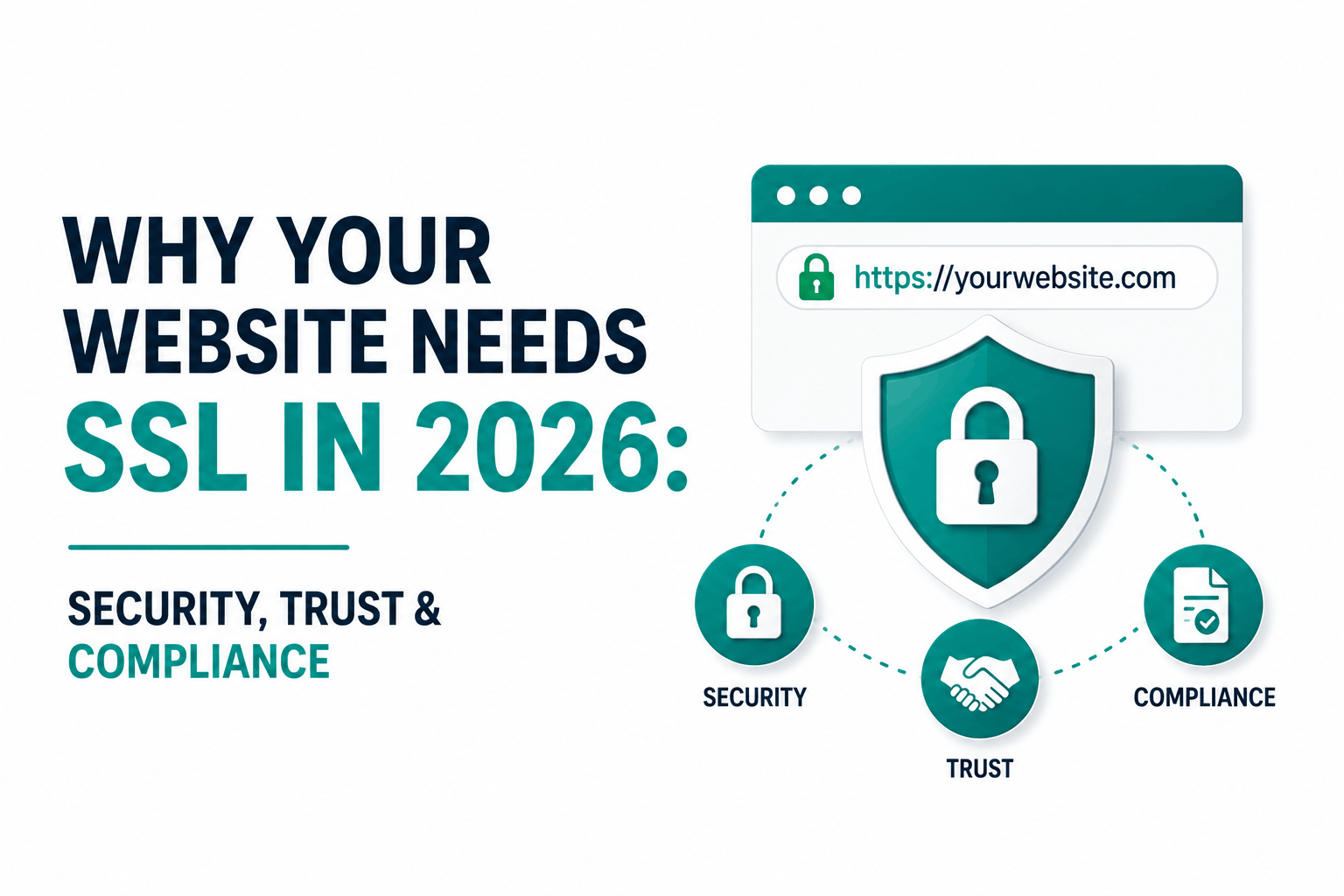
Your website may look professional, load fast, and rank on the first page of Google today. Without an SSL certificate, all of that work is at serious risk. In 2026, a missing SSL certificate does not just create a vague[…]