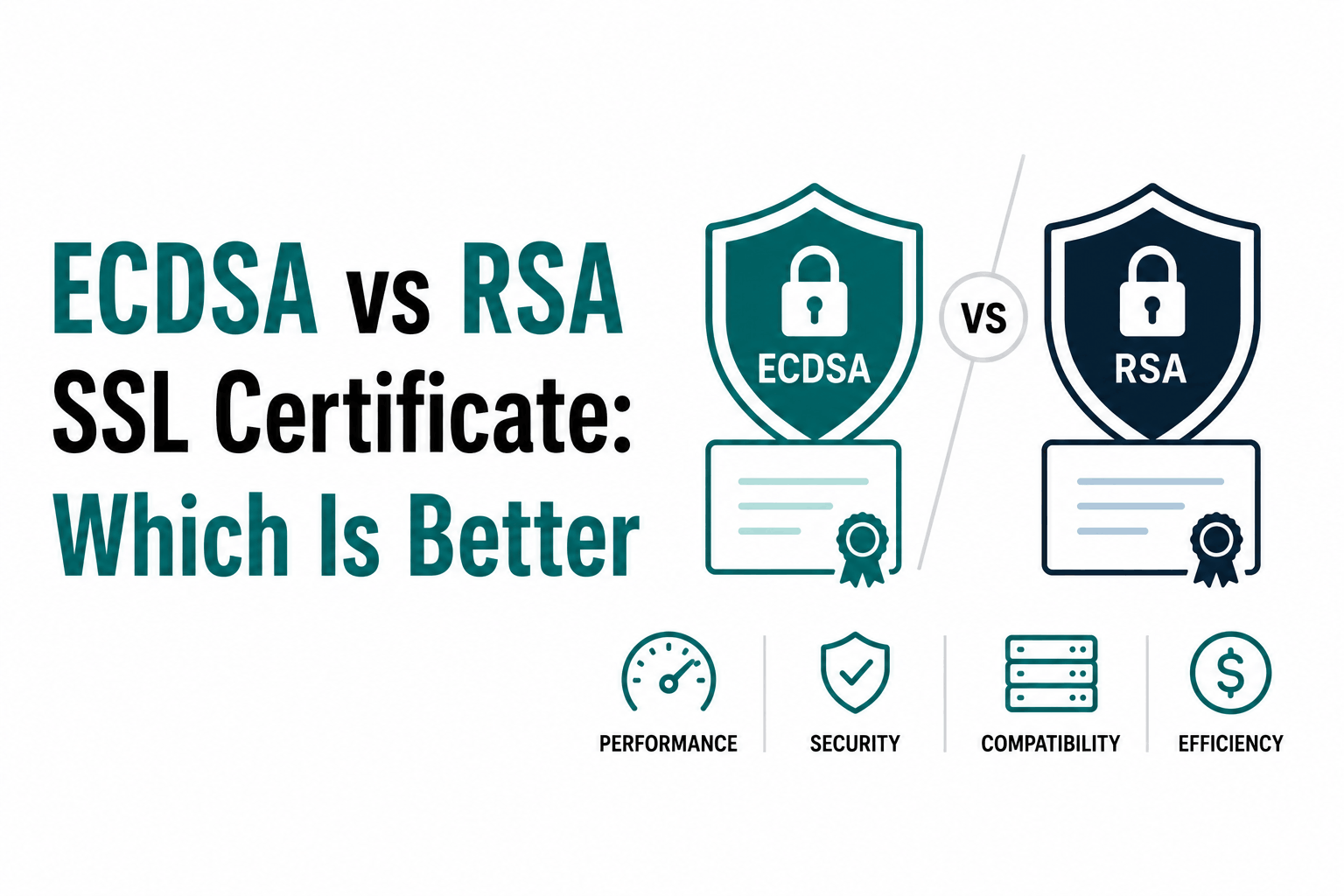
Buy ECDSA P-256 for any new certificate purchase on a public-facing server in 2026. The performance advantage is real and measurable. The compatibility exceptions are negligible for public web traffic. The market has already decided: ECDSA reached 42.9% of all[…]

Blog
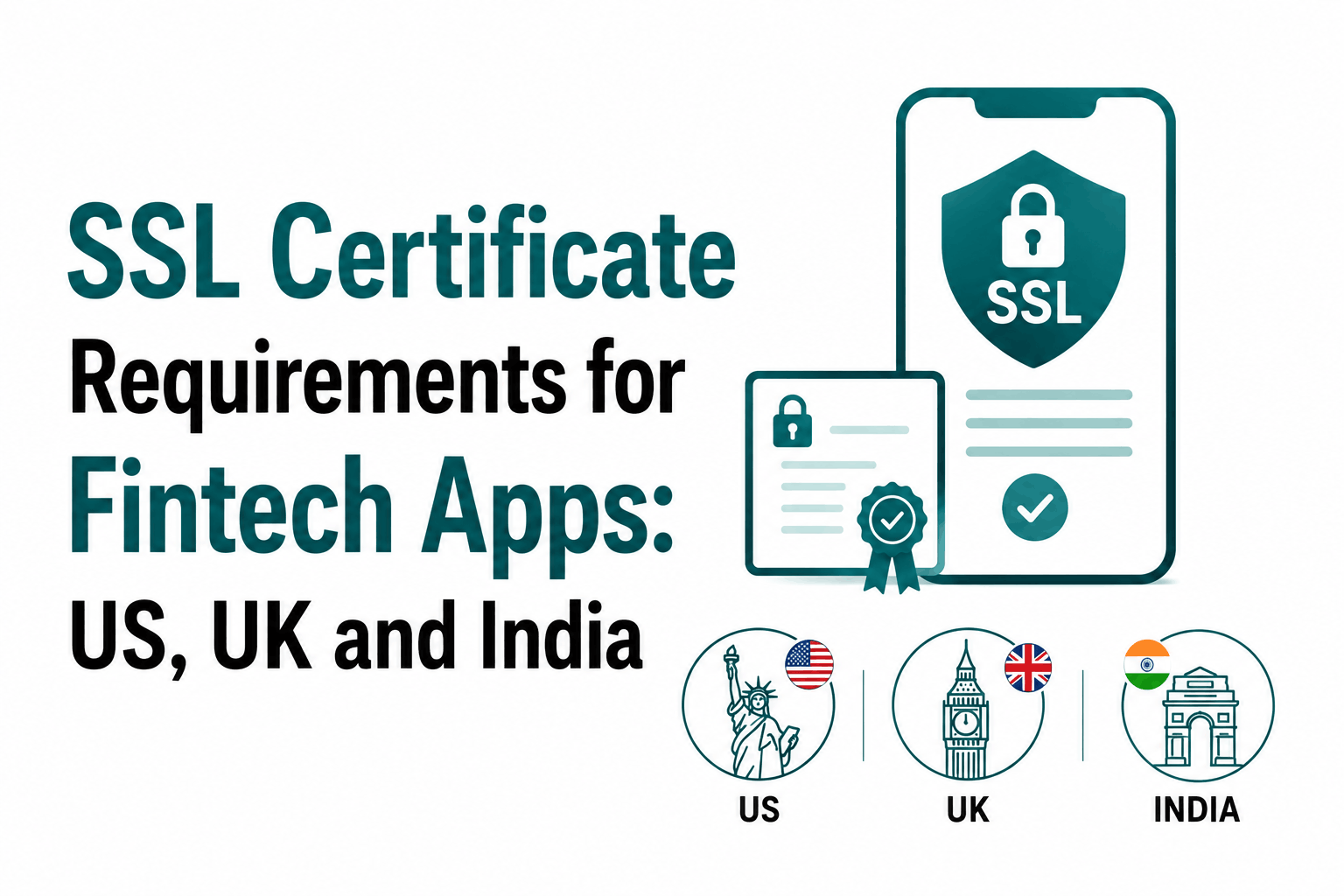
Compliance note: this article summarizes publicly available regulatory frameworks for SSL/TLS encryption in fintech. Regulatory requirements change, and jurisdiction-specific legal advice is essential for any regulated financial product. Treat this as a starting framework, verified at the primary sources listed,[…]
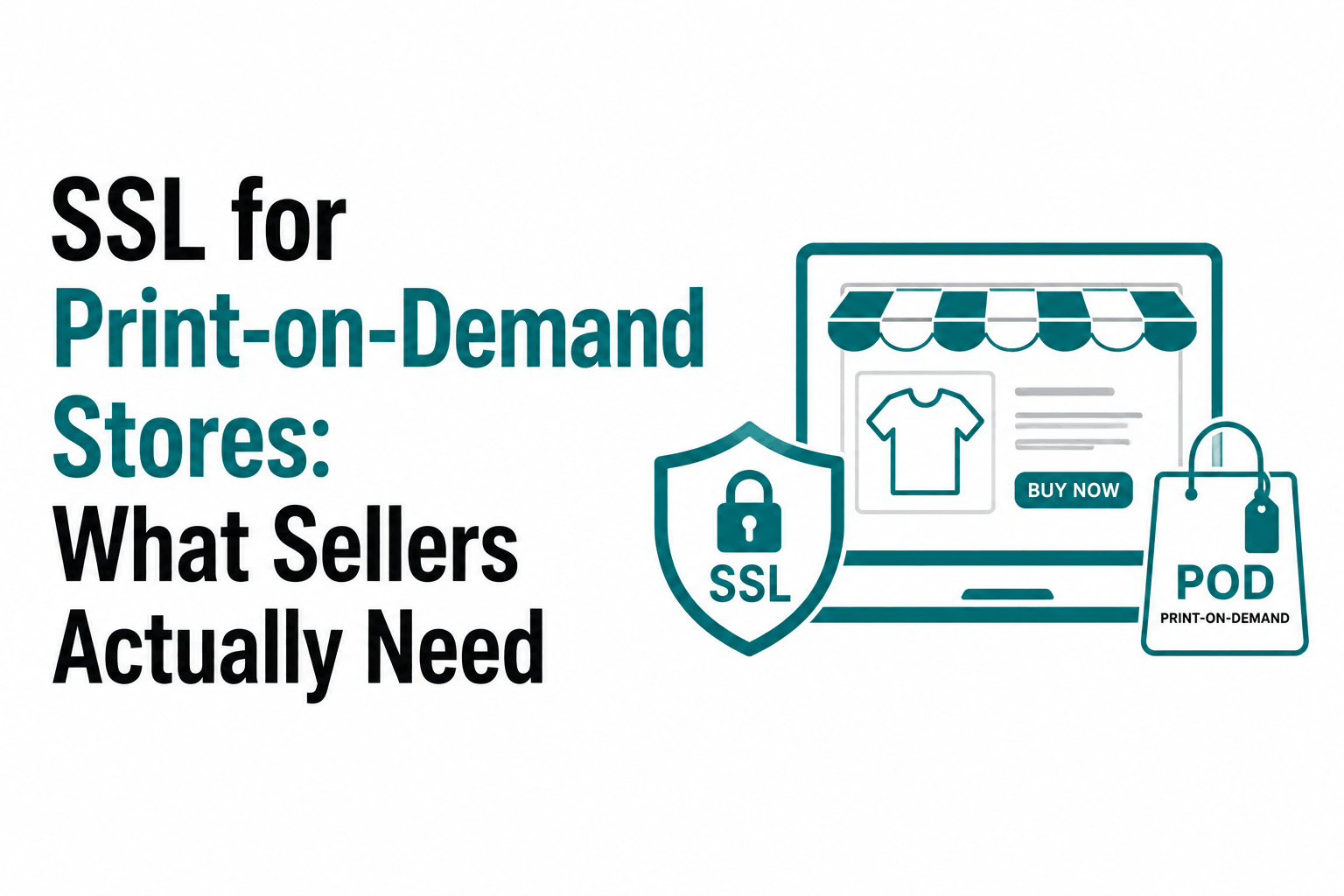
The SSL requirement for a print-on-demand store depends entirely on where the storefront is hosted, not on which fulfillment service you use. Printful and Printify are fulfillment partners , they handle production and shipping. They are not hosting providers. The[…]
MSIX package signing has two separate problems that developers often conflate. The first is making the package installable at all: the certificate must be trusted on the installation machine and the publisher name in the manifest must match the certificate’s[…]
Verified directly from Google’s Chrome Security Team blog post: with the release of Chrome 154 in October 2026, Chrome will change its default settings to enable ‘Always Use Secure Connections.’ This means Chrome will ask for the user’s permission before[…]
SSL certificate warranties are advertised prominently. DigiCert advertises a $2 million warranty on its EV certificates. Sectigo offers warranties up to $1.75 million. These numbers appear in comparison tables and product pages, often in their own column, formatted to look[…]
If your certificate is installed and the padlock appears in your browser but Google Search Console still shows HTTPS errors, the certificate is almost certainly not the problem. GSC HTTPS errors after a successful SSL installation are caused by configuration[…]
SSL Certificate for a CA or CPA Firm Website: What Client Data Protection Standards Actually Require
Professional standards note: this article cites AICPA and ICAI professional conduct standards and US regulatory frameworks applicable to CPA practices. Standards and interpretations are subject to revision. Verify current requirements with your state CPA society (US) or ICAI regional chapter[…]
If you received an email from your CA or reseller asking you to reverify your organization’s information for your SSL certificate, this is expected, legitimate, and not a sign of any problem with your certificate. A CA/B Forum rule change[…]
Electron is one of the most widely used frameworks for building cross-platform desktop applications, with VS Code, Slack, Discord, Figma, and 1Password all built on it. When you ship an Electron app, you are shipping for Windows and macOS simultaneously,[…]
The short answer: your iOS or Android app does not need an SSL certificate of its own. Apps are not servers. SSL certificates authenticate servers, not clients. What your app needs is for its backend API and any other servers[…]
CA/B Forum Ballot SC-081v3, effective March 15, 2026, reduced the reuse period for Subject Identity Information (SII) from 825 days to 398 days. For EV certificate holders, this means the full Extended Validation process must now repeat approximately every 13[…]
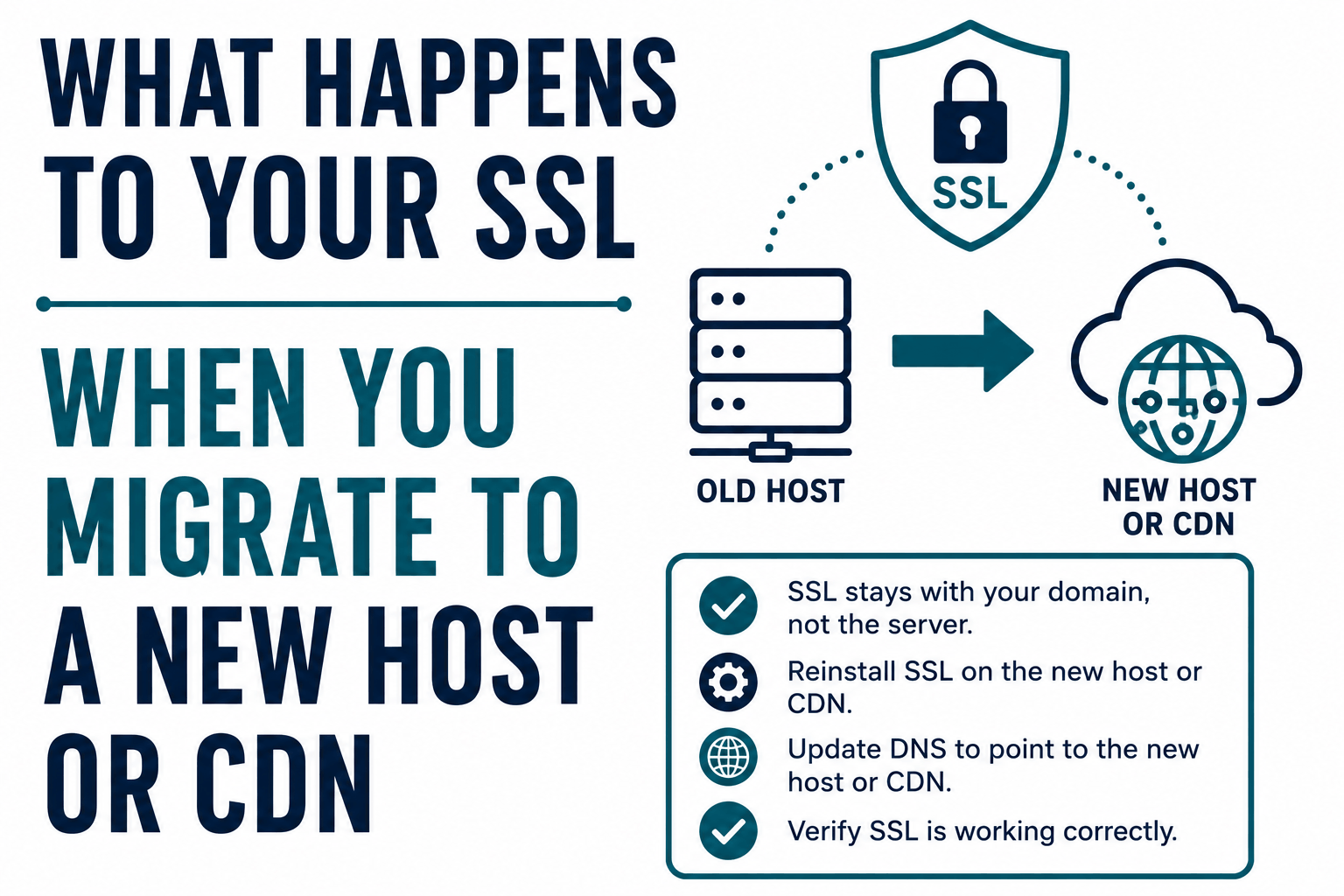
SSL certificates are tied to specific infrastructure in ways that most migration guides do not explain. Moving a website to a new host, adding a CDN, or switching from one cloud provider to another affects your SSL in different ways[…]
The confusion at checkout in 2026 is understandable. The price column shows 1-year, 2-year, 3-year options with discount percentages. But a separate notice somewhere on the page says certificates are only valid for 199 days. If the certificate expires every[…]
SSL certificate management for a single website is straightforward: buy or provision a certificate, install it, set up renewal. SSL certificate management for a SaaS platform with thousands of customer tenants is an entirely different engineering problem.When a SaaS platform[…]
ERR_SSL_PINNED_KEY_NOT_IN_CERT_CHAIN means your browser has a cached HPKP (HTTP Public Key Pinning) record for this domain, and the certificate currently being served does not contain a public key that matches any of the pinned hashes. The site is blocked until[…]
Today is June 19, 2026. If your SSL certificate was issued or renewed any time in March 2026, its 199-day validity expires in the first two weeks of October 2026. That is approximately 14 weeks from today. Sectigo’s Chief Compliance[…]
Hard deadlines: Sectigo February 10, 2027. DigiCert March 1, 2027. Chrome Root Program March 15, 2027. After these dates, no public CA may issue SSL/TLS certificates containing the Client Authentication Extended Key Usage (EKU). Organizations using public SSL certificates for[…]
ACME automation for OV certificates has been available in Sectigo’s enterprise platform for several years. What changed in 2025-2026 is reseller availability at prices accessible to small and medium-sized businesses. SSL2BUY now offers Sectigo ACME OV at $90/year for a[…]
What Happened on May 8, 2026At 18:37 UTC on May 8, 2026, Let’s Encrypt halted all certificate issuance. The root cause: cross-signs of X2/YR by X1 and YE by X2 were issued without the Extended Key Usage (EKU) fields now[…]
Most published zero trust coverage reports one number: market size. The zero trust security market is valued at $48.43 billion in 2026, according to Mordor Intelligence’s most recent estimate, projected to reach $102.01 billion by 2031. That figure describes vendor[…]