
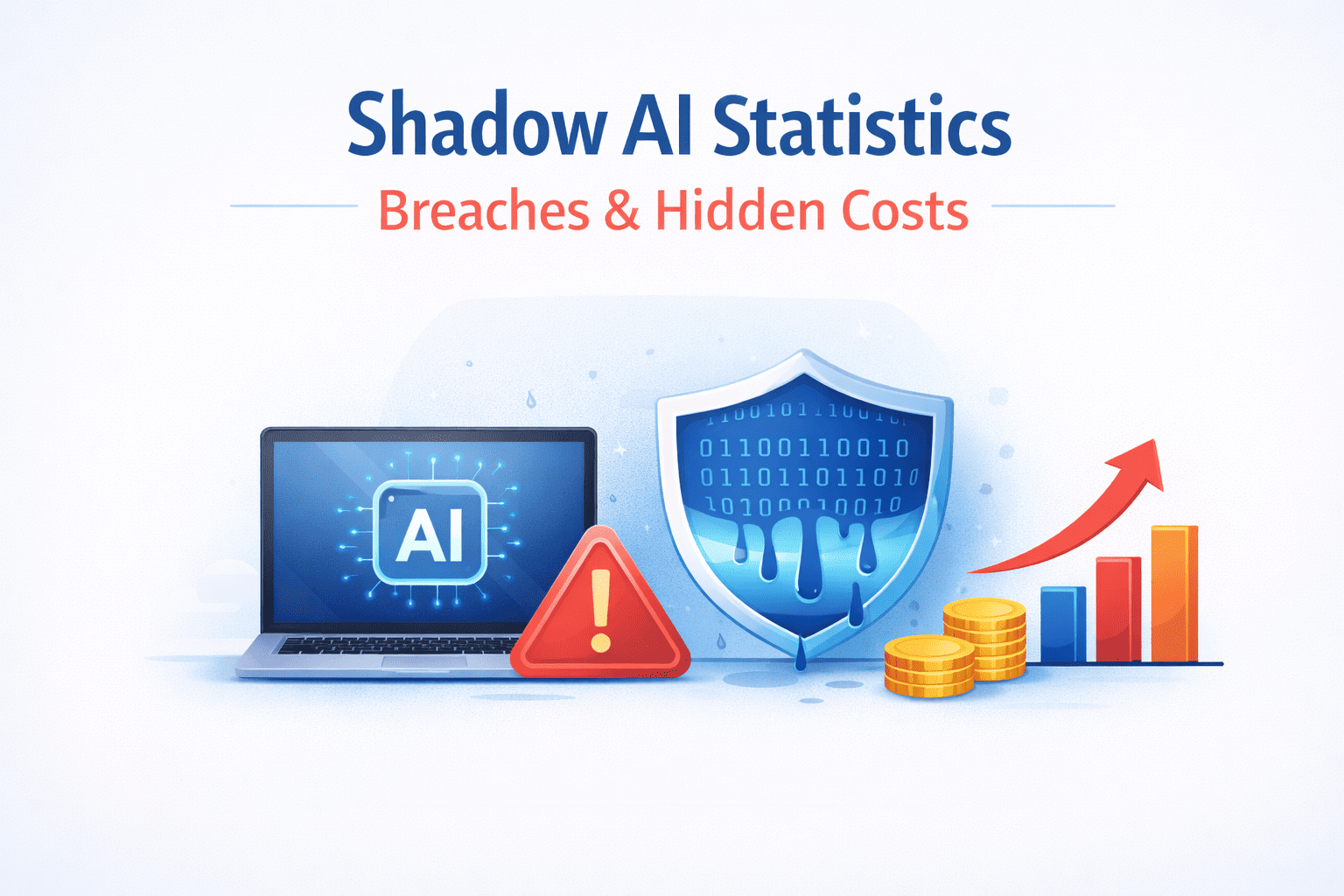
Shadow AI refers to the use of artificial intelligence tools by employees without the knowledge, approval, or oversight of their organization’s IT or security teams. In 2025, it became one of the costliest and fastest-growing cybersecurity risks in the enterprise,[…]

Cyber insurance was supposed to be the financial safety net that every business could rely on after a breach. Yet in 2026, over 40 percent of businesses that file a claim receive no payout. Premiums that fell sharply in 2024[…]
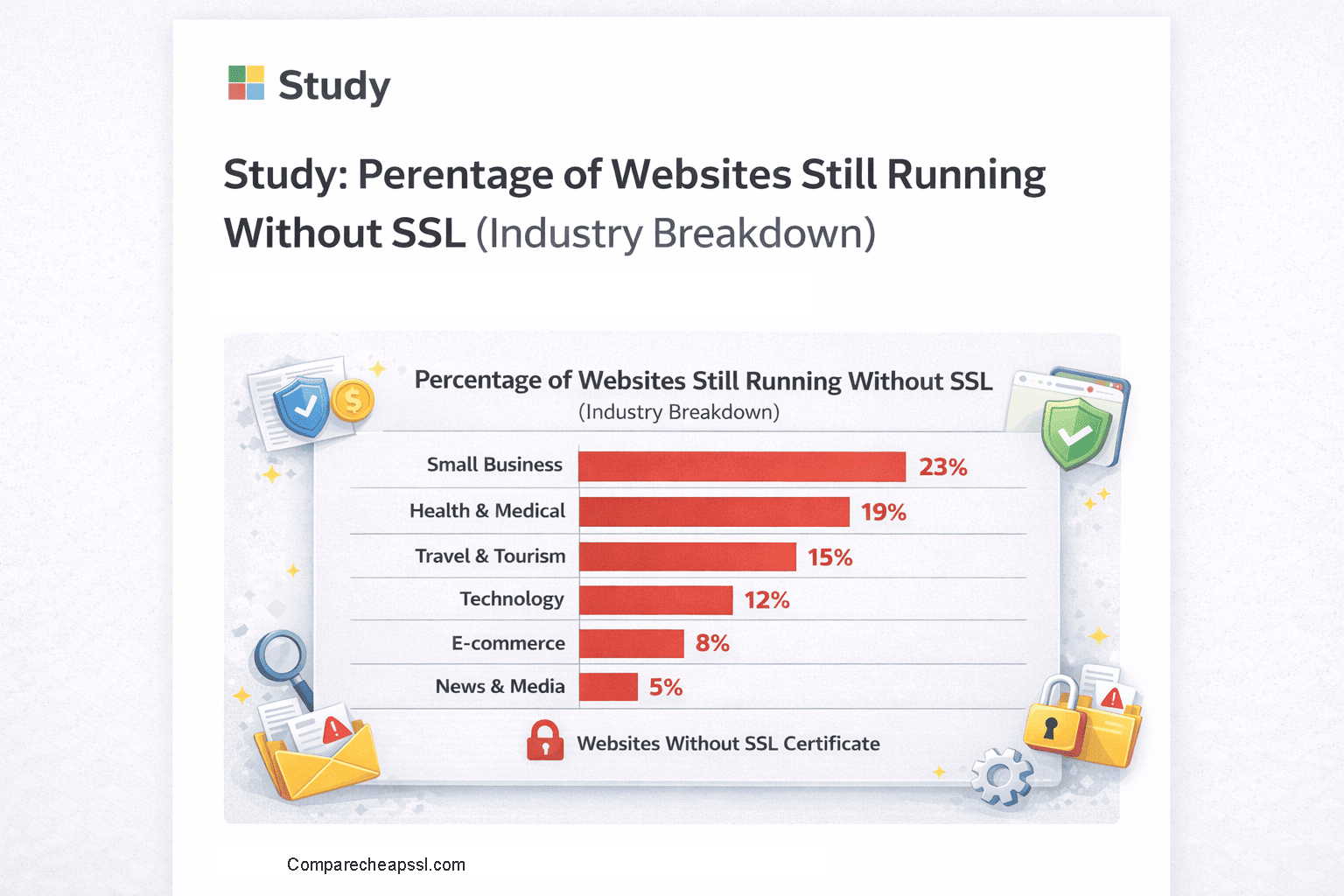
The global transition from HTTP to HTTPS has been one of the most significant infrastructure shifts in the history of the public internet. What began as a security best practice for ecommerce and banking websites has evolved into a default[…]

Online scamming has evolved into the most widespread and financially damaging form of digital crime in 2026. Unlike traditional cyberattacks that rely on technical exploits, modern scams exploit human trust, urgency, and identity, allowing attackers to scale globally with minimal[…]
Email remains the most exploited attack surface in cybersecurity going into 2026. Despite advances in AI-driven defenses, attackers continue to rely on phishing, business email compromise, and human manipulation to bypass controls. Over 90% of breaches still begin with email,[…]

Artificial intelligence did not just influence cybersecurity in 2026. It fully reshaped it. This is the first year where AI became the primary driver for both cyberattacks and cyber defense. Enterprises now depend on AI tools to analyze billions of[…]
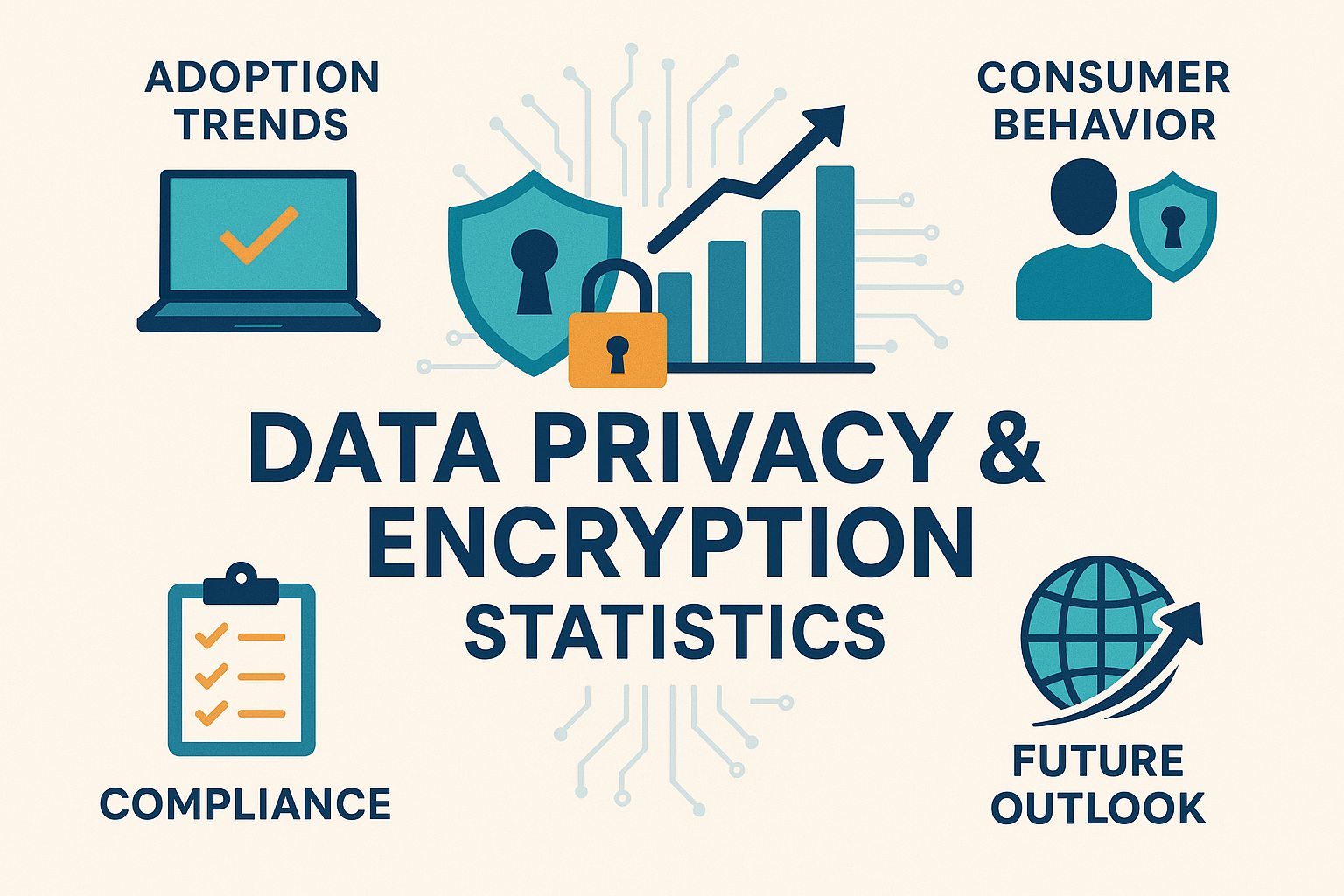
The global data privacy landscape in 2026 has reached a critical inflection point. With digital transformation accelerating across sectors, organizations now collect, process, and store more personal and corporate data than ever before. At the same time, users have become[…]

Every time a smartwatch sends your heart rate to an app, or a factory robot communicates with a control system, a small piece of encrypted data travels across the internet. Multiply that by billions of devices — cars, thermostats, security[…]

Cybersecurity spending in 2026 has surged to unprecedented heights, driven by escalating ransomware incidents, AI-driven cybercrime, global regulatory pressure, digital transformation, and the expansion of hybrid workforces. Organizations across all industries increased investments in detection, response, identity security, cloud protection,[…]
Last updated: Dec 6, 2025 Smart home technology has transformed modern living. From smart locks and voice assistants to connected refrigerators, thermostats, lighting systems, cameras, baby monitors, and home security hubs — households in 2026 rely heavily on automation, remote[…]

The cybersecurity workforce in 2026 has reached a pivotal moment. While global cyberattacks continue to rise — driven by AI-enhanced malware, sophisticated ransomware networks, deepfake-enabled fraud, and the industrialization of cybercrime — organizations are struggling more than ever to recruit[…]

Large Language Models (LLMs) have moved from emerging research experiments to core infrastructure powering modern AI applications. In 2026, LLMs influence nearly every digital ecosystem — from search engines, enterprise automation, and customer support to software engineering, cybersecurity, healthcare, legal[…]
Big Data in 2026 has become one of the most transformative forces in technology, business strategy, AI development, and global digital operations. As organizations move deeper into automation, predictive analytics, machine learning, and cloud-scale data processing, Big Data has grown[…]
Generative AI (GenAI) has become the fastest-growing technological shift of the decade. After explosive consumer adoption in 2023–2025, 2026 marks the year generative AI fully transitions from experimental to essential infrastructure for enterprises, governments, and everyday consumers. From content creation[…]
Cloud environments remain at the center of global digital transformation — powering AI workloads, SaaS platforms, hybrid infrastructures, remote workforce applications, and large-scale data analytics. But as cloud adoption surges, so do cloud-based breaches. The year 2026 represents a dramatic[…]

Vulnerability management in 2026 has become more urgent, more complex, and more high-stakes than ever before. As organizations continue adopting cloud-native architectures, hybrid work models, mobile-first operations, and interconnected systems, the number of exploitable weaknesses across corporate environments has reached[…]

2026 marks the year artificial intelligence became the most powerful ally — and the most dangerous weapon — in global cybercrime. What once required complex coding, social engineering skills, or deep domain expertise can now be executed by inexperienced attackers[…]
Phishing attacks in 2026 have reached unprecedented levels of sophistication, scale, automation, and success. What was once a simple email-based scam has evolved into a multi-channel, AI-enhanced, ultra-targeted attack ecosystem that affects nearly every industry, device, and demographic. Driven by[…]

Ransomware and malware attacks in 2026 have reached a level of sophistication, automation, and scale unlike anything observed in previous years. Fueled by advancements in AI, the growing dark web economy, and an expanding global attack surface, threat actors now[…]
The global rise in cybercrime, privacy concerns, remote work, public Wi-Fi risks, content restrictions, surveillance expansion, and geopolitical tensions has driven VPN usage to unprecedented levels. Between 2025 and 2026, the VPN market experienced one of the fastest growth periods[…]
Social engineering in 2026 has become more advanced, more automated, and significantly more dangerous than in previous years. Fueled by AI-driven voice cloning, deepfake videos, large-scale data leaks, and increasingly sophisticated psychological manipulation techniques, attackers have pushed social engineering to[…]
SSL/TLS has undergone more transformation in the last three years than in the previous decade. As the internet becomes more encrypted, attackers, certificate authorities (CAs), browsers, and enterprises all adapt their strategies. The result: a rapidly evolving SSL landscape that[…]
The Internet of Things (IoT) has become one of the most expansive and vulnerable attack surfaces in cybersecurity. In 2026, more devices are connected to the internet than ever before — sensors, smart appliances, wearables, industrial controllers, medical devices, vehicles,[…]
The dark web in 2026 has evolved into a far more organized, profitable, and threat-intensive ecosystem than it was even a year ago. What was once a fragmented marketplace of anonymous vendors has now become a highly structured criminal economy[…]